lighting design
Fire was the first light show. NOVA Light Labs carries that flame into the modern world.
By channeling this sunlight into novel forms a space comes alive the moment guests step inside.
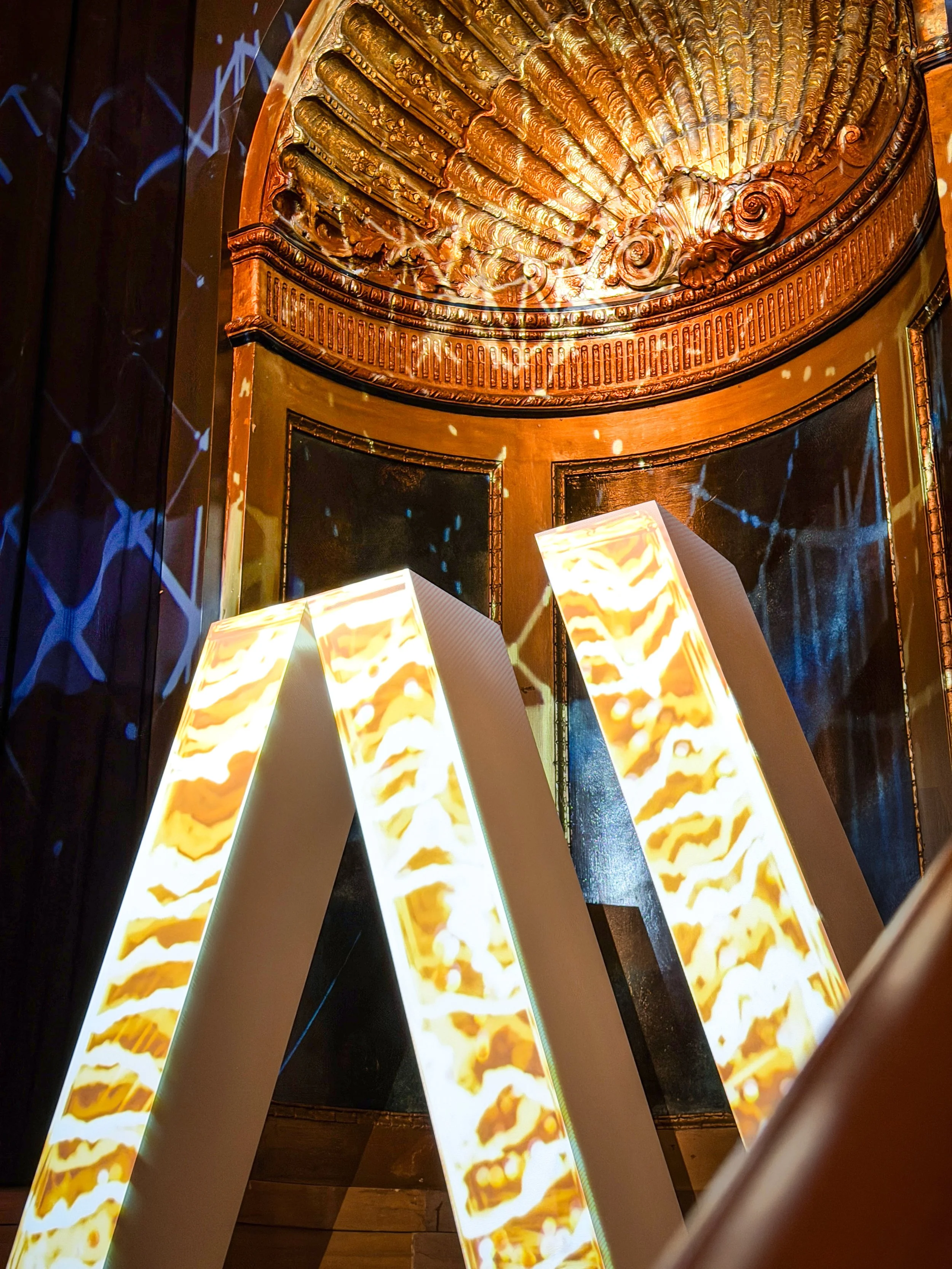
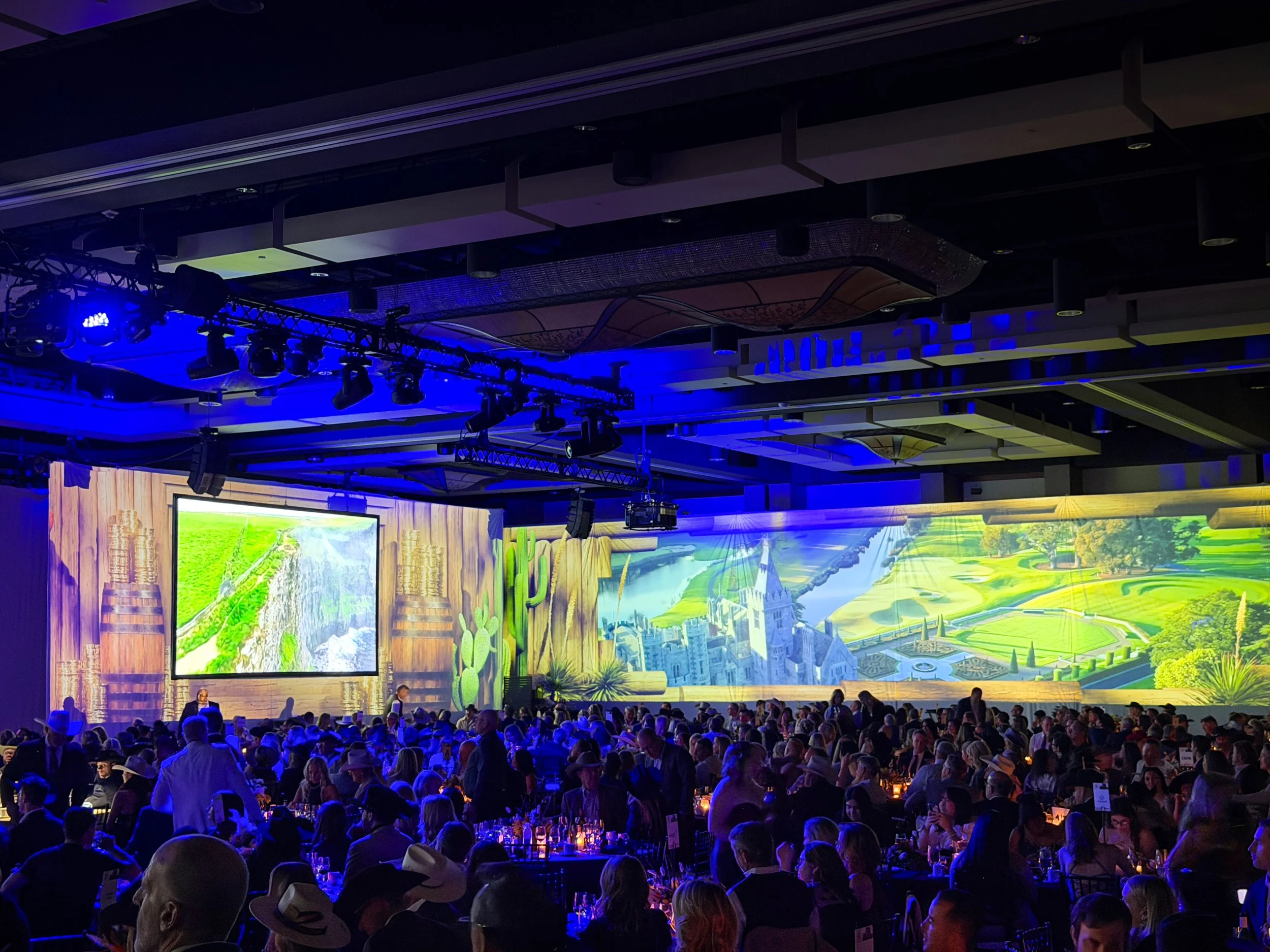
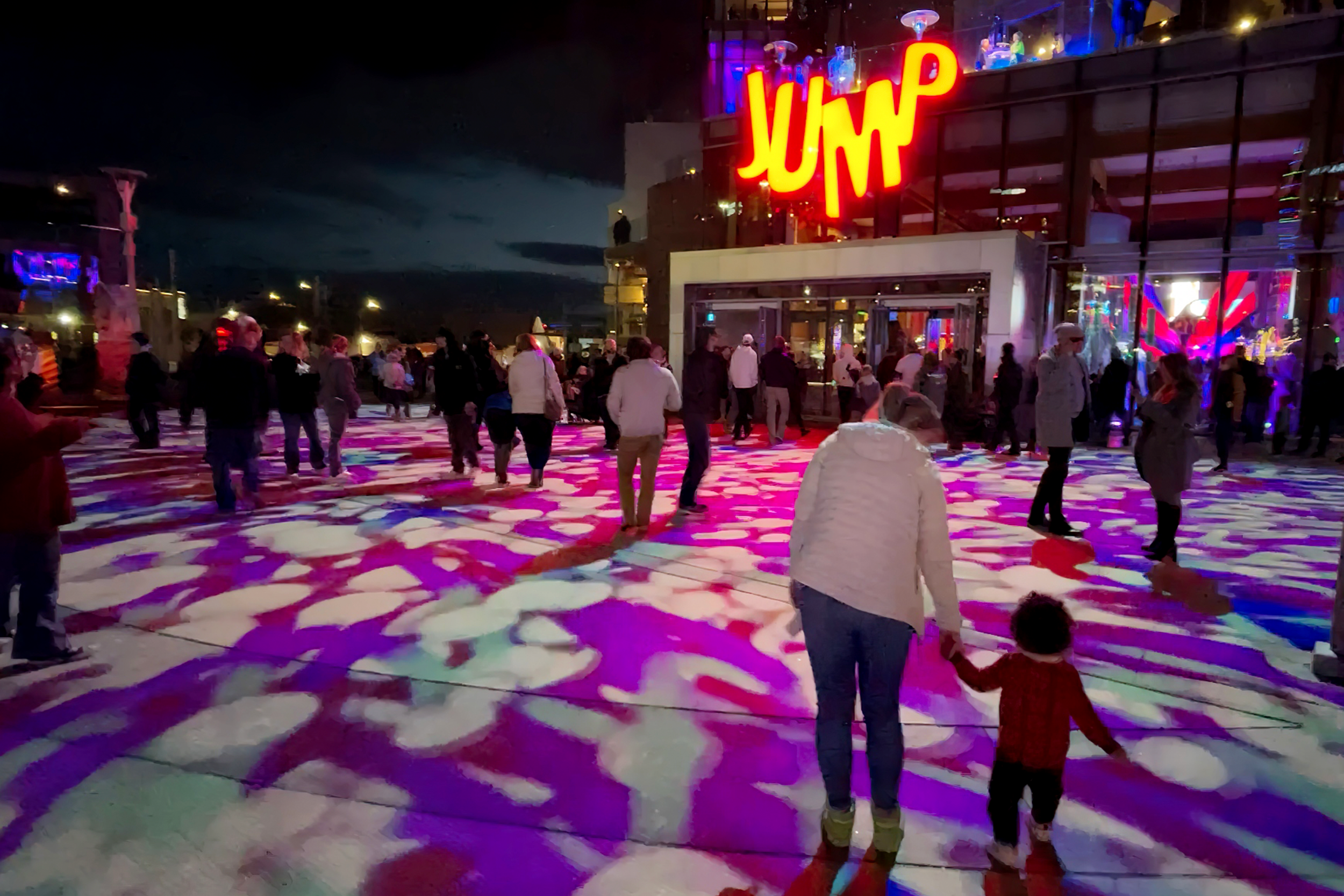
Projection mapping paints on surfaces. Lighting design fills the space between them.
Lasers, moving lights, LED walls, uplighting, and strobe: this is every way to shape a room with light that is not a projected image, and it is the other half of what the studio builds.
overivew
Why light leads the room.
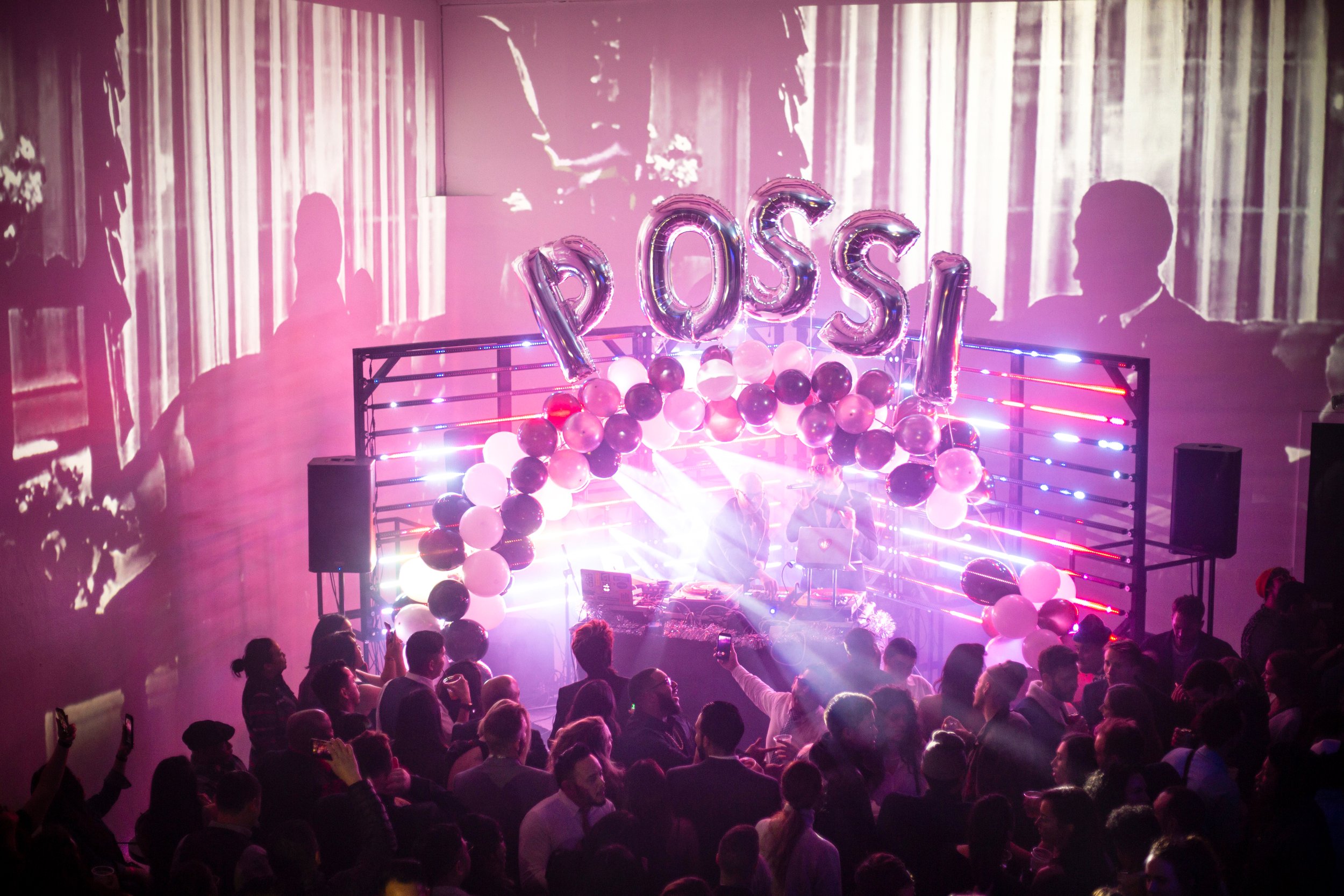
Humans read a space with their eyes first. Before a single note is heard or a glass is touched, the room has already been judged on what it looks like. Sight arrives ahead of sound, ahead of scent, ahead of everything else, and it sets the mood a guest carries for the rest of the night.
That first read is the whole game. NOVA designs it on purpose. Color, movement, intensity, and timing become the language that tells a crowd where to look and how to feel, long before they could say why.
Get it right and a venue stops being a venue. It becomes the event. That is what lighting design is for, and it is why it earns a line in the budget instead of an afterthought at load in.
creative
Projection mapping tells stories with pictures. Lighting design works a different way.
Here the color itself is the idea, and the movement of that color across a room is the composition, no imagery required.
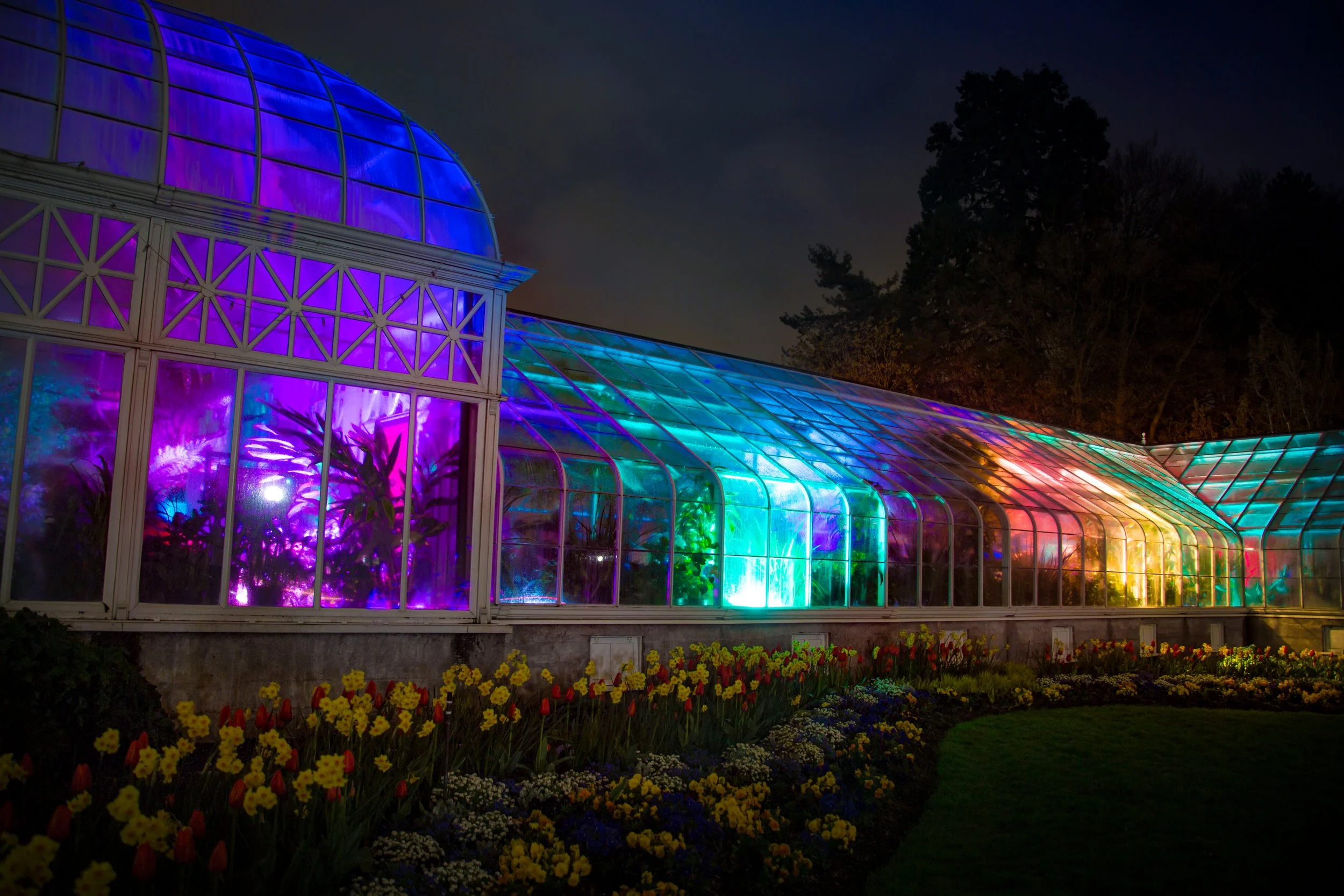
A deep wash of one hue can reset a mood in a heartbeat. Motion does the rest. Beams that sweep, pulse, and breathe give a space rhythm, so the room feels choreographed rather than lit.
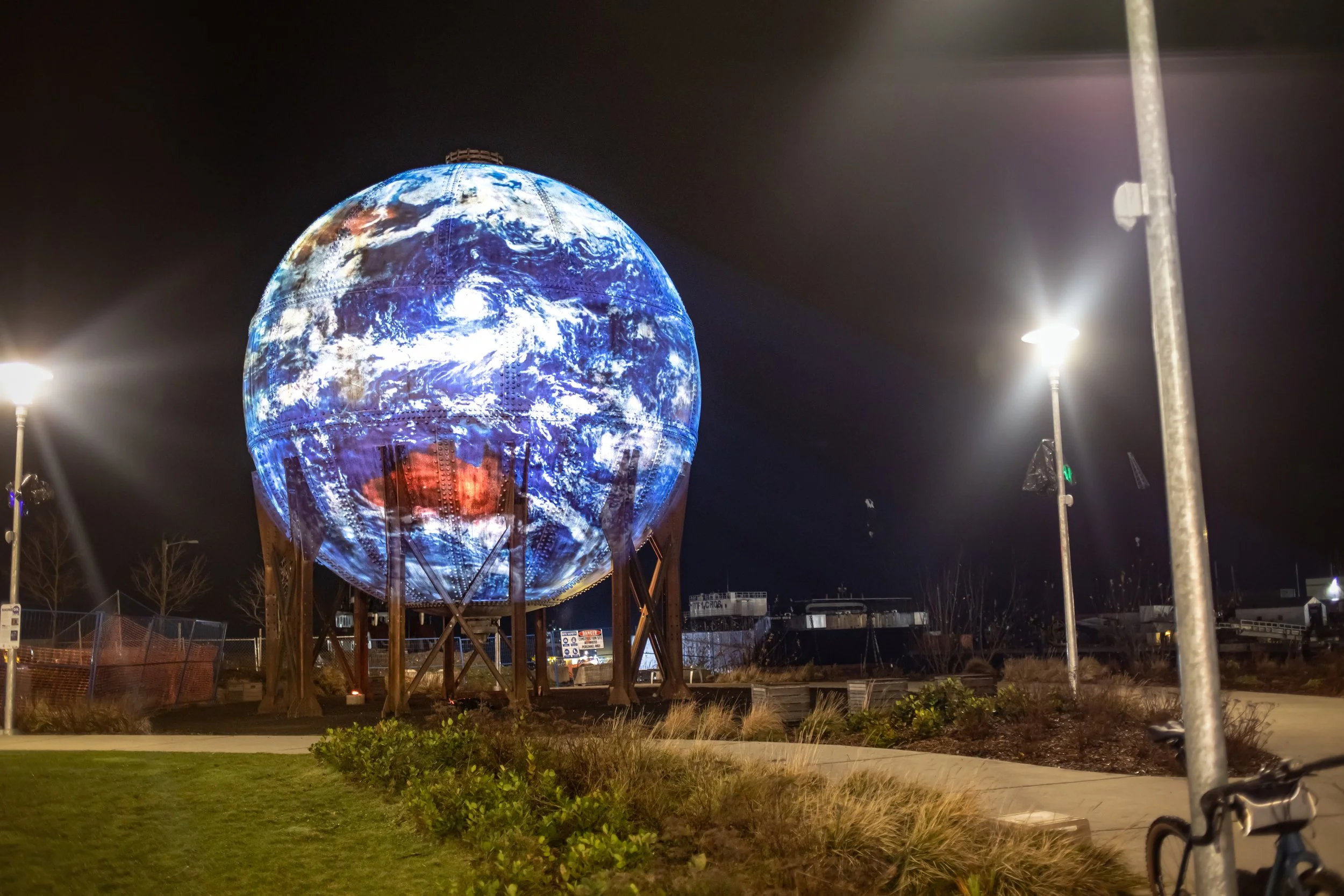
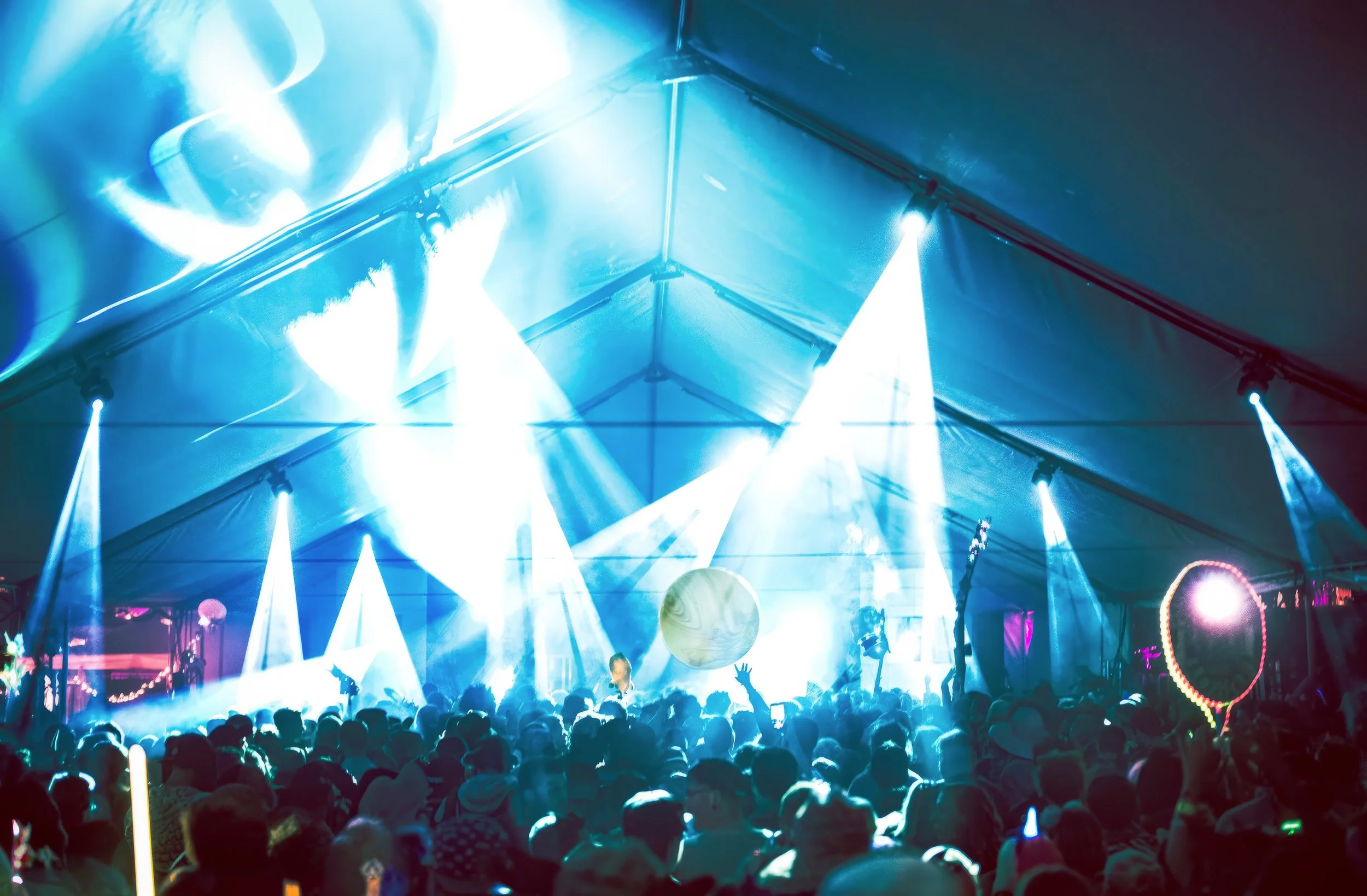
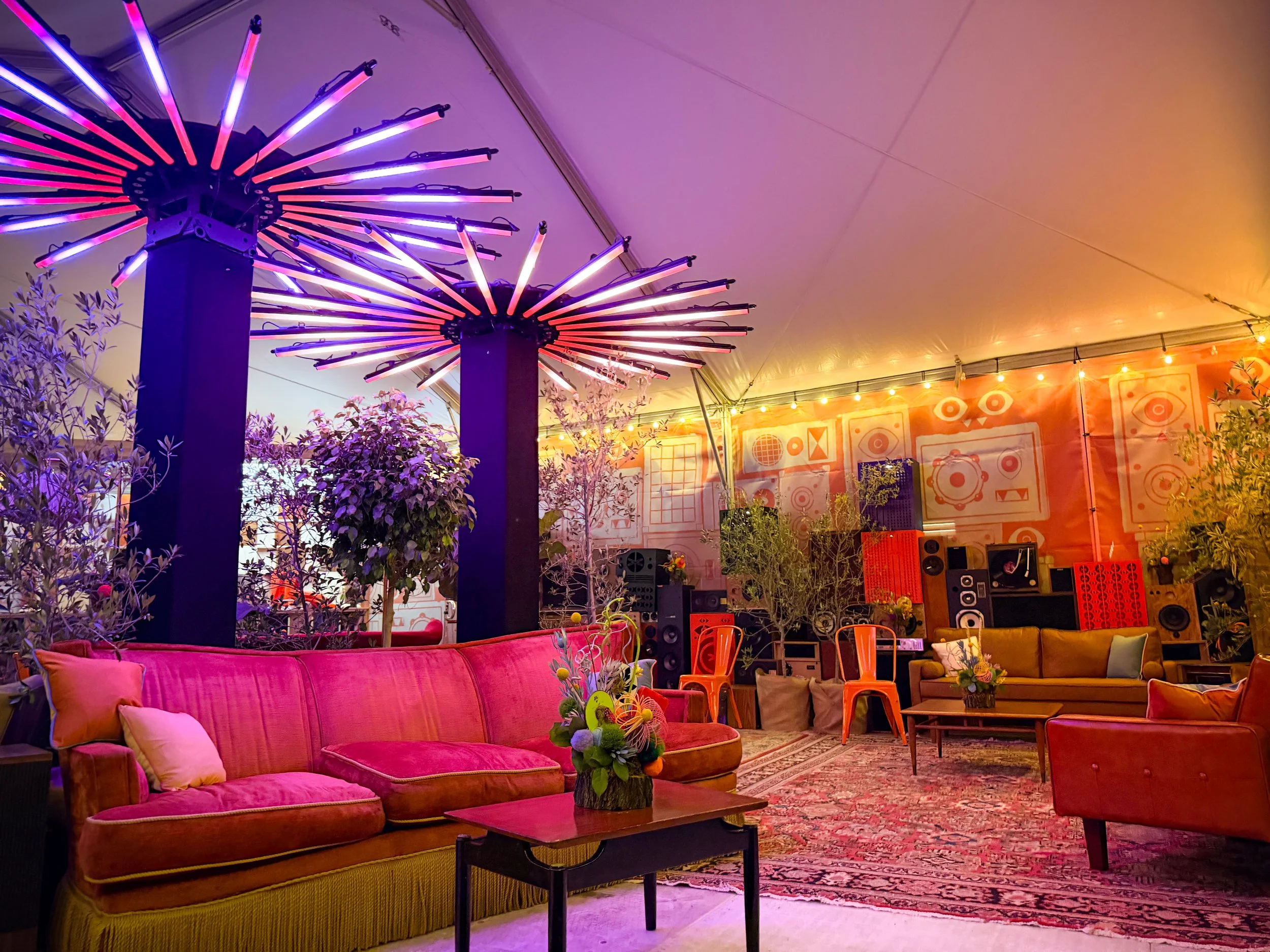
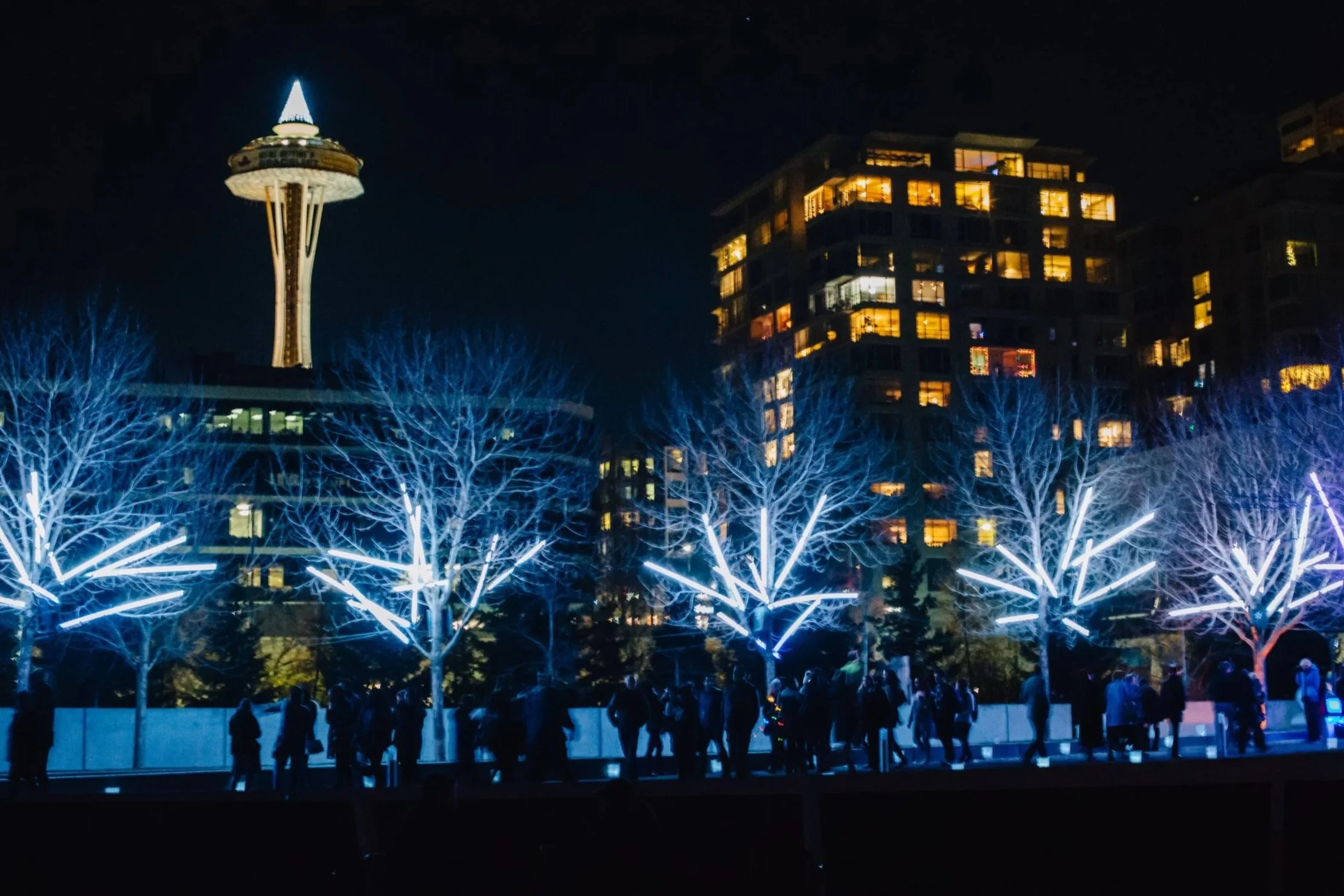
Lasers and moving lights fill the volume of a space, not just its walls. The light lives in the air itself, in haze and in beam, turning empty overhead space into part of the design. Uplighting warms a venue from the edges. A few well placed fixtures shift the entire feel of a hall without touching every surface, which is craft, not coverage.
Chosen well, light like this makes an event shine for the ages.
production
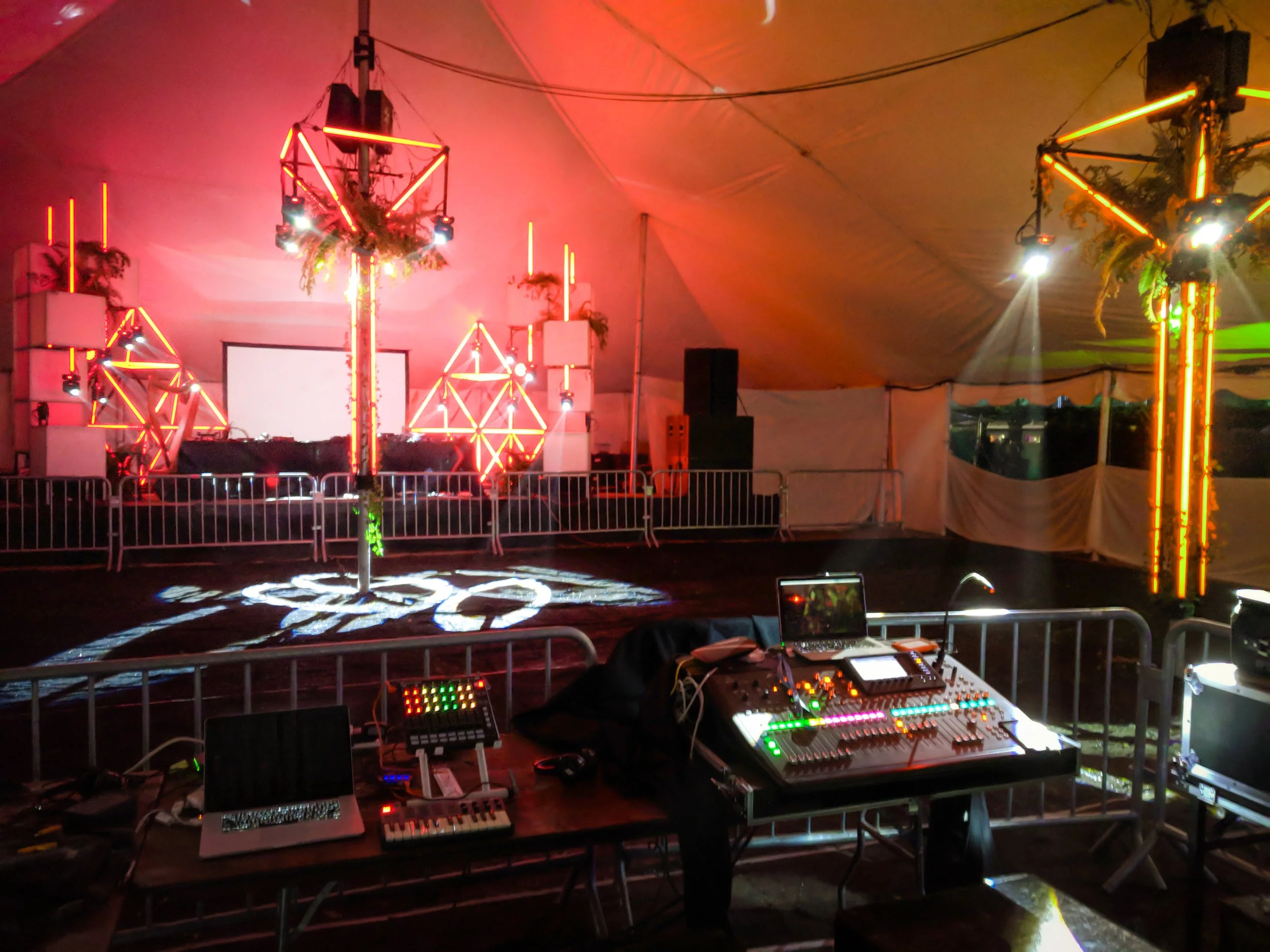
Lighting design covers a wide fixture set: laser beams, moving heads, strobes, uplighting, & LEDs.
Each fixture solves a different problem. NOVA specifies the rig, programs the show, and directs it live so the whole system reads as one intent.
Much of this technology holds up in daylight and mixed light, where projection cannot. That makes lighting design the complement to projection mapping, and it means the studio has an approach for nearly any environment and hour, indoors or out, bright room or blackout.
Weather is a design input, not an obstacle. Many fixtures are rated for rain and outdoor runs. Others need enclosure or treatment to go outside, and NOVA specs for the conditions before anything ships.
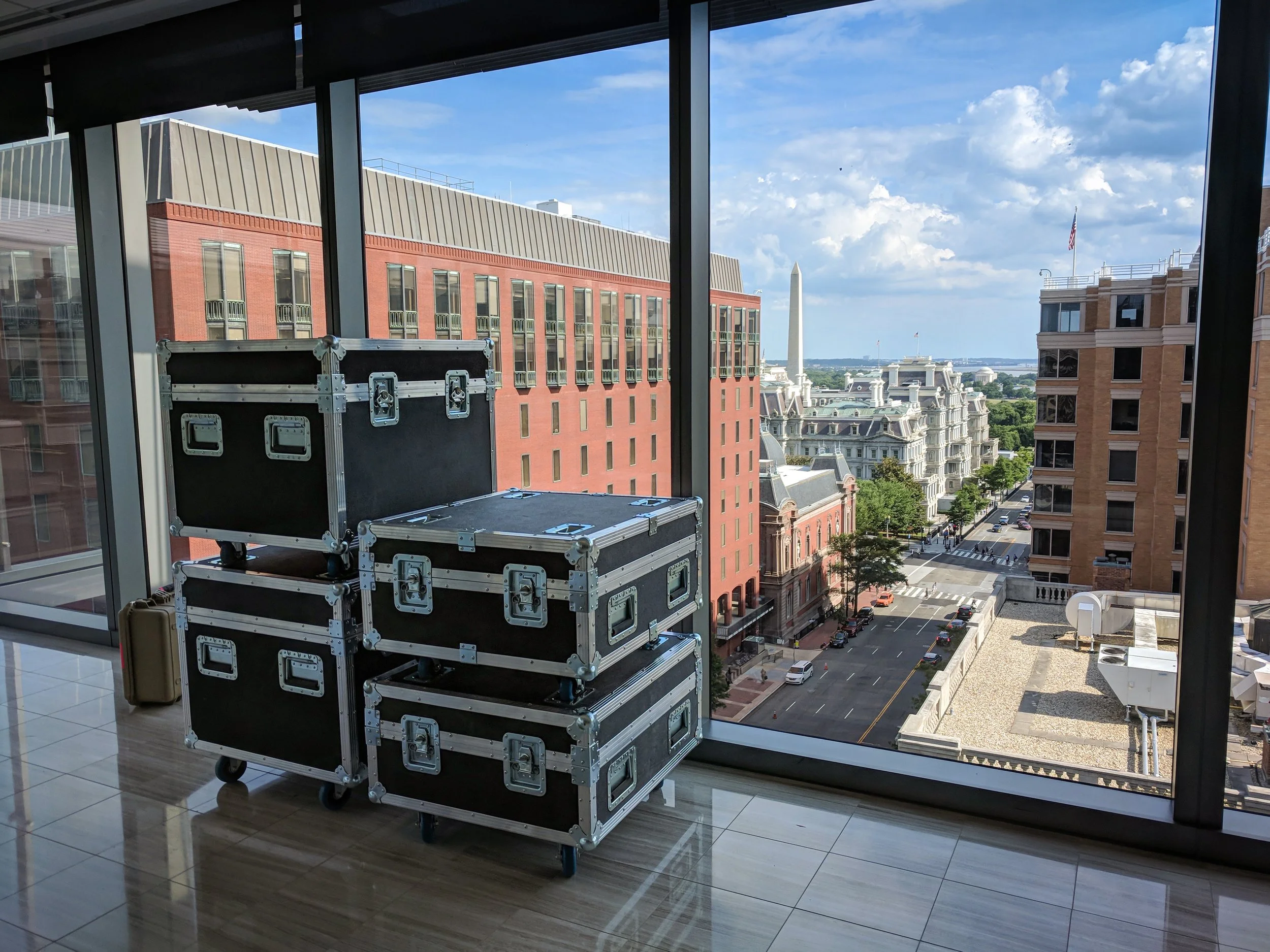
This work is built for live events. One night, one weekend, then struck, with the full rig scaled to the room and the run.
TUBIX LED Bars
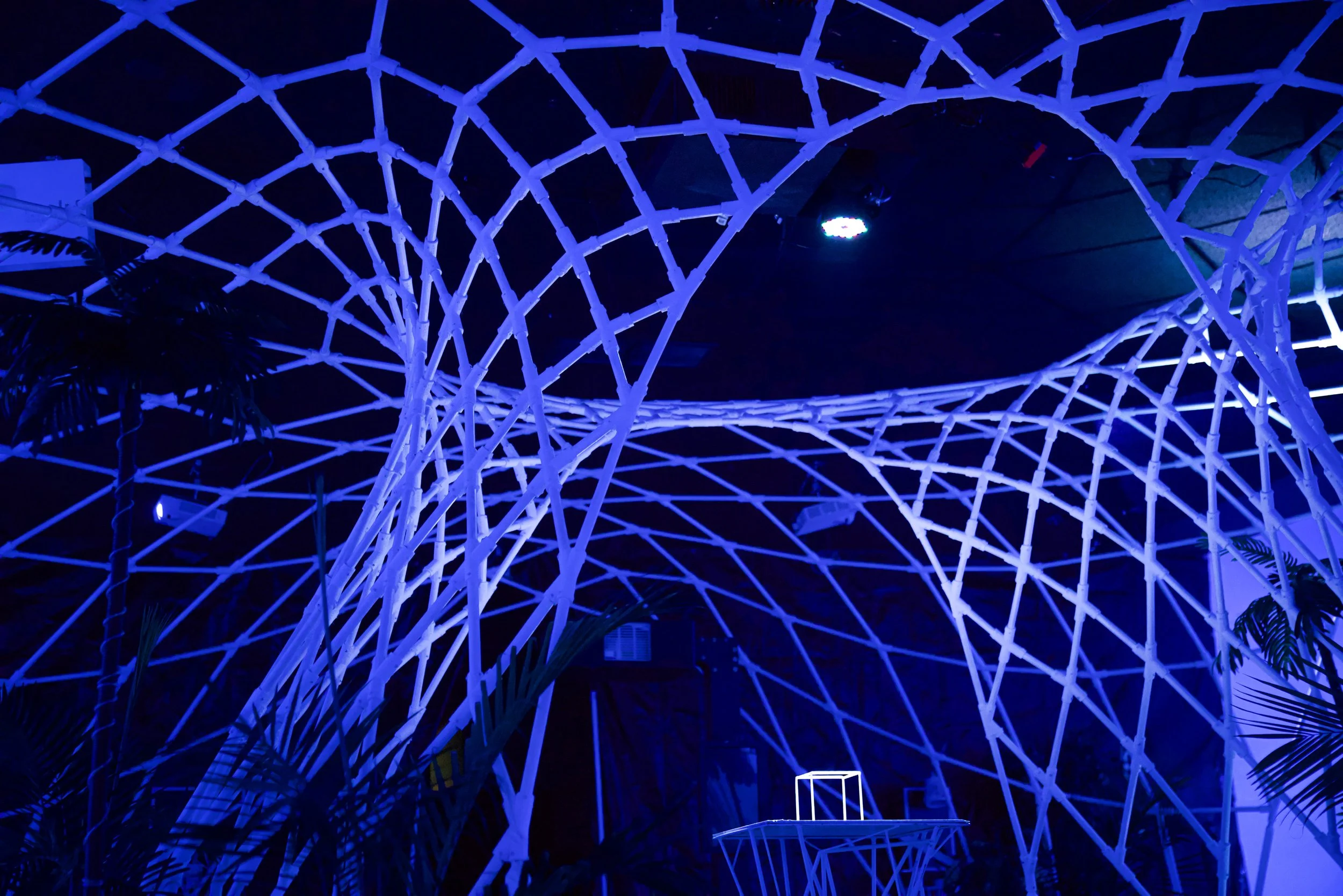
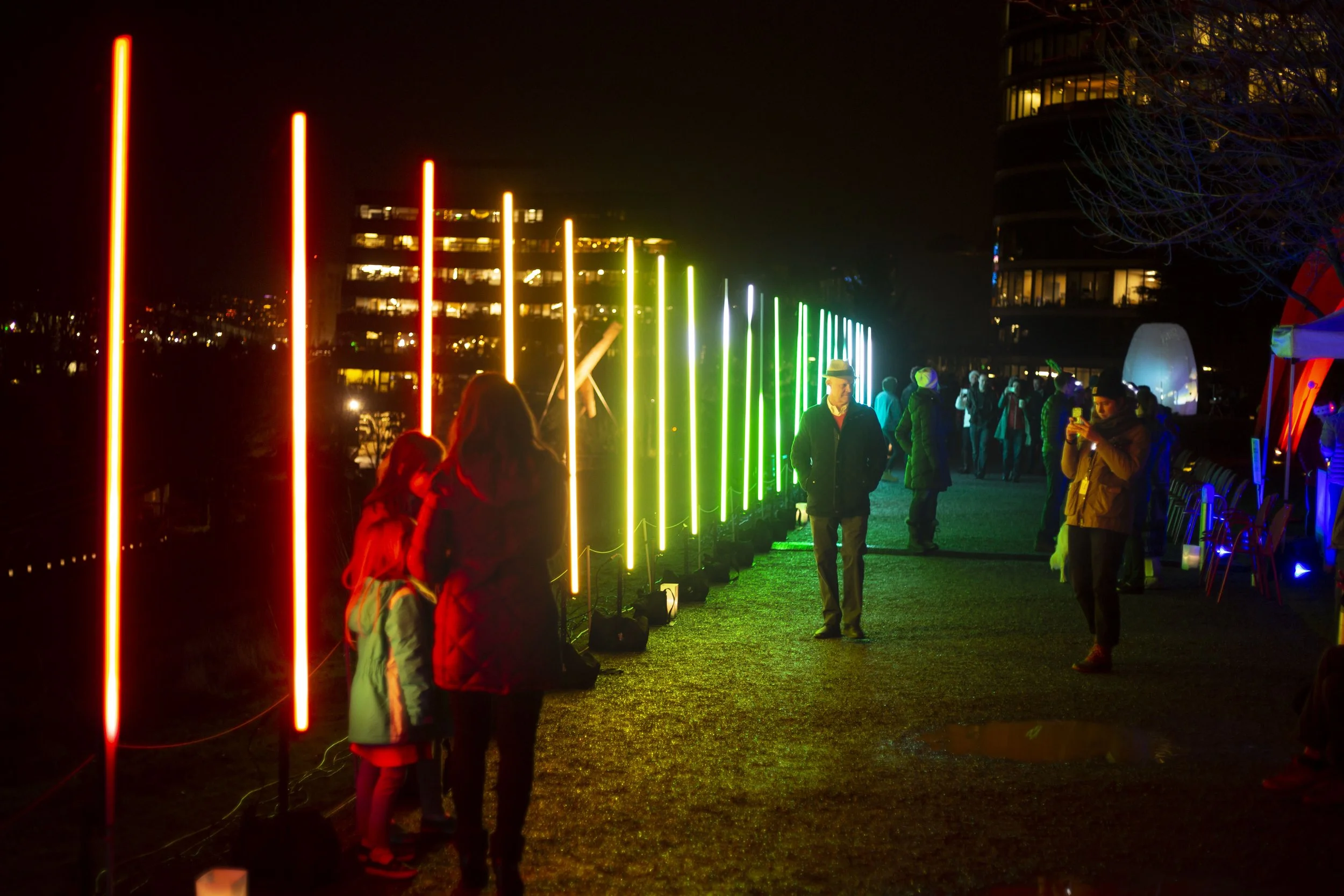
Light art drawn in the air
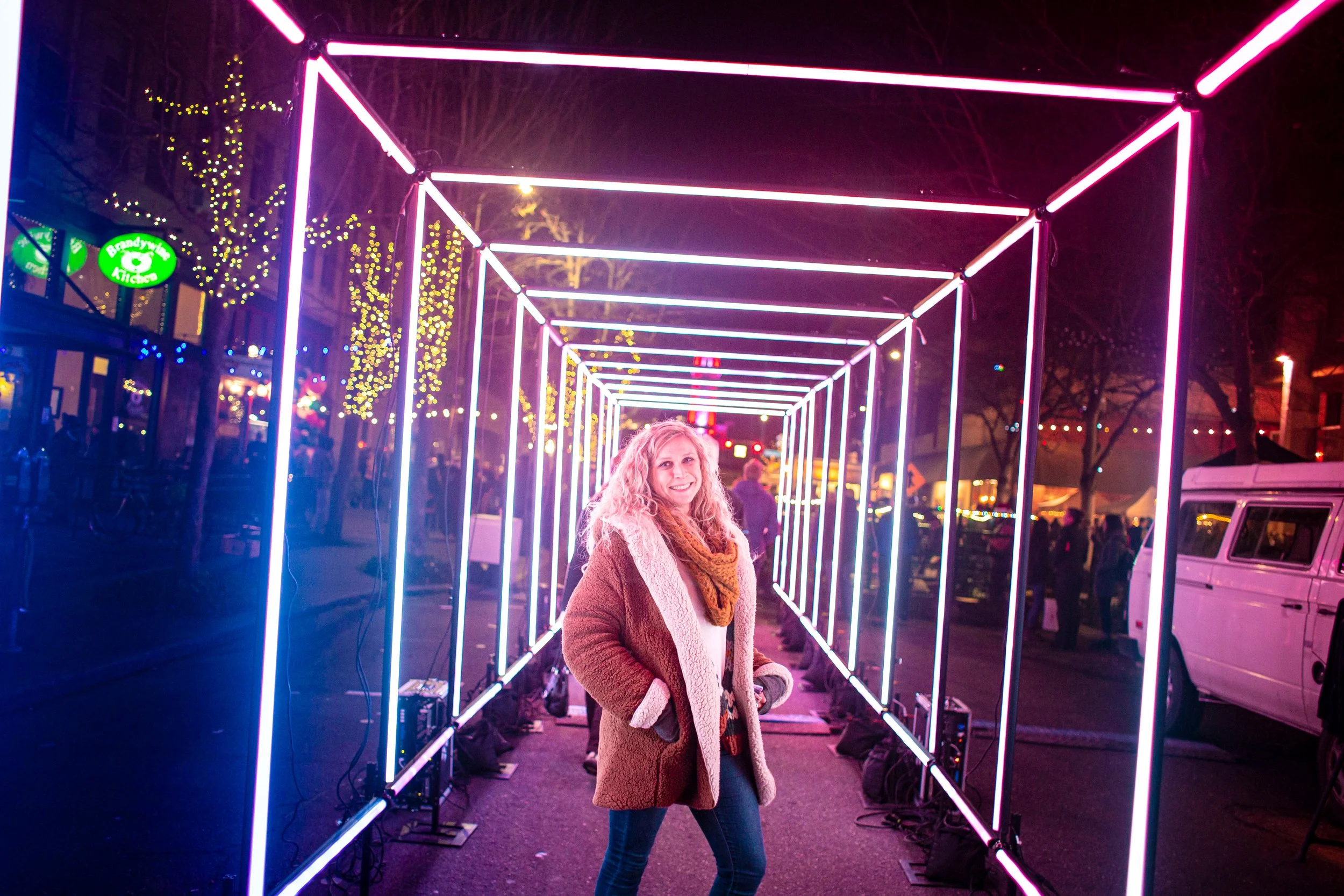
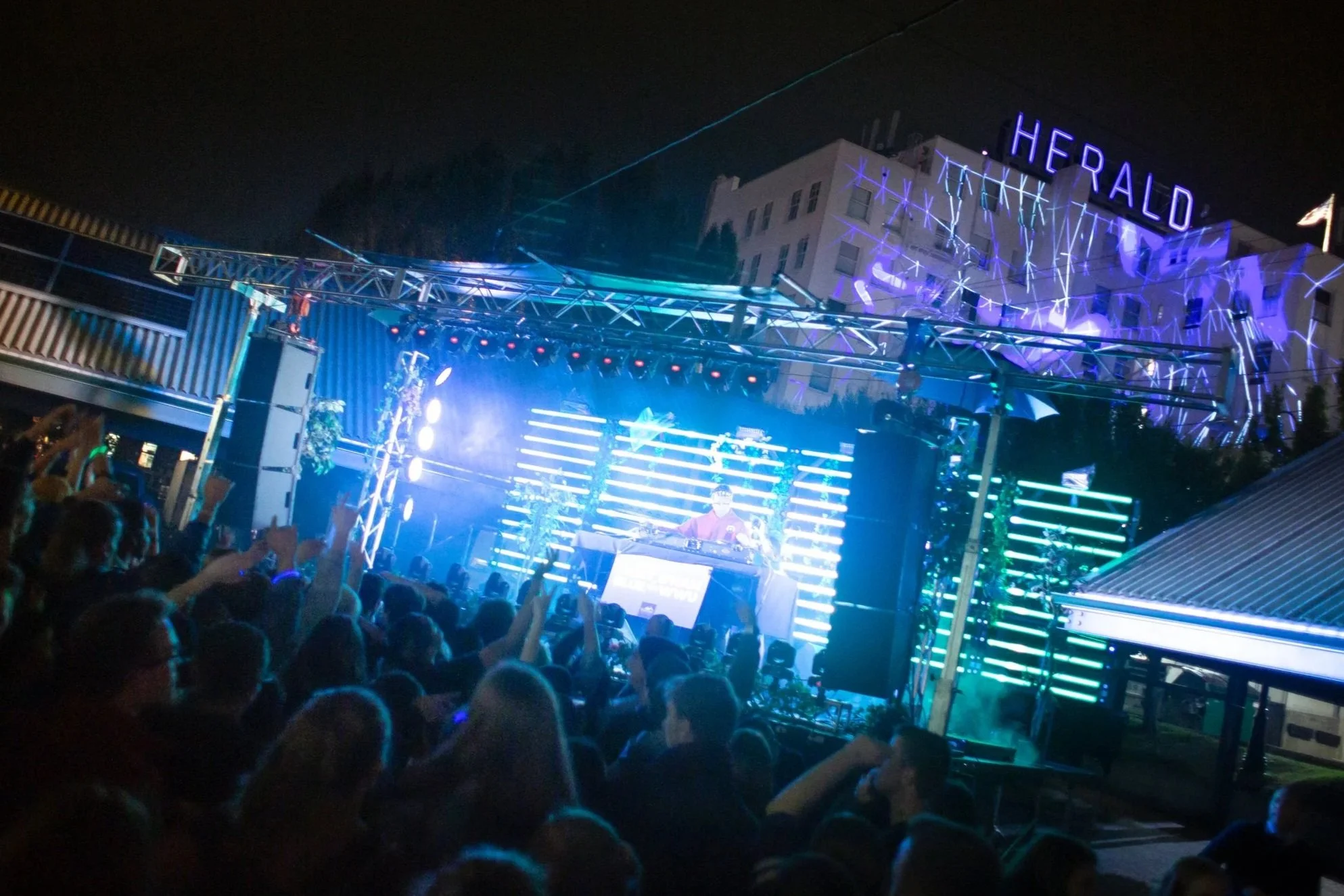
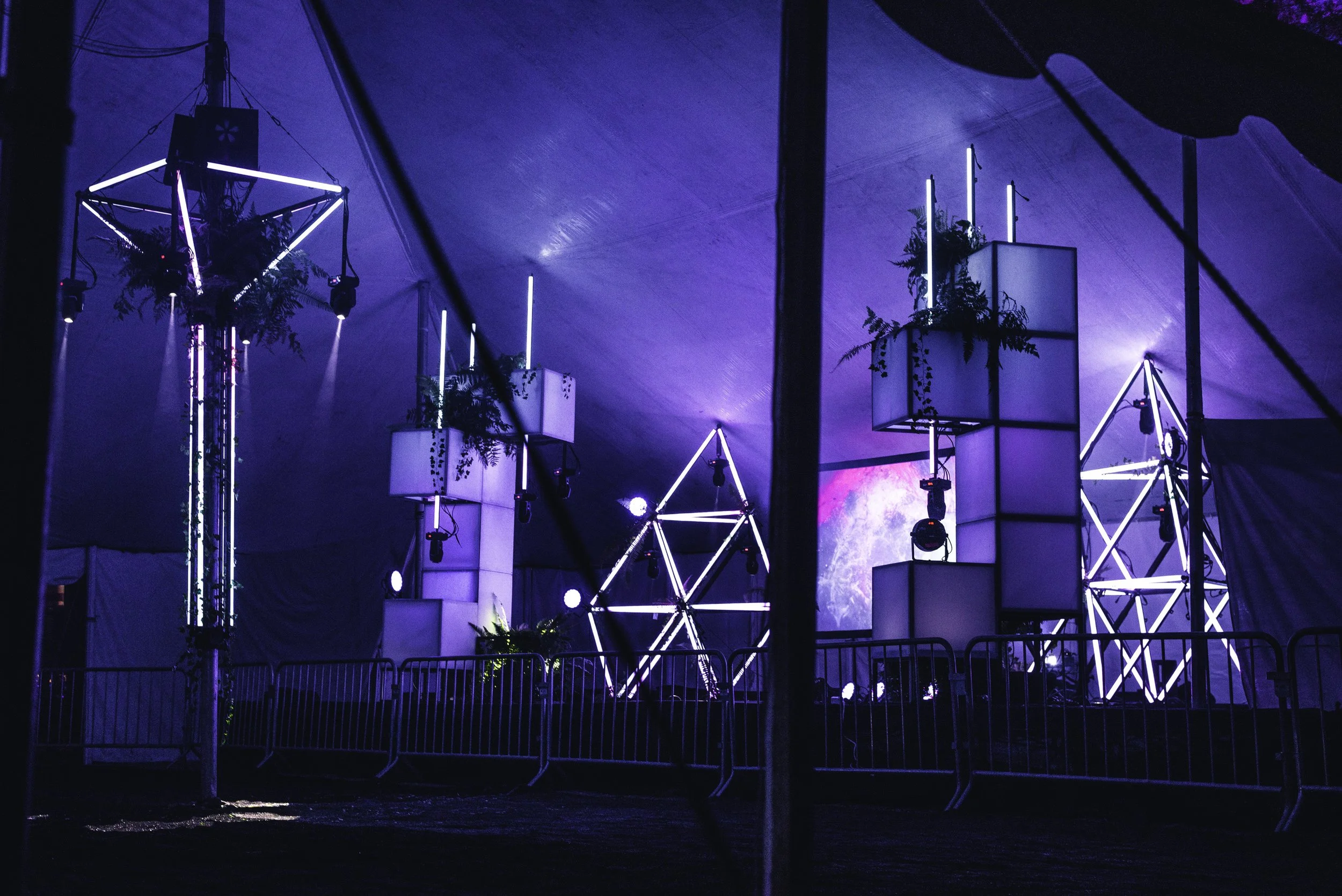
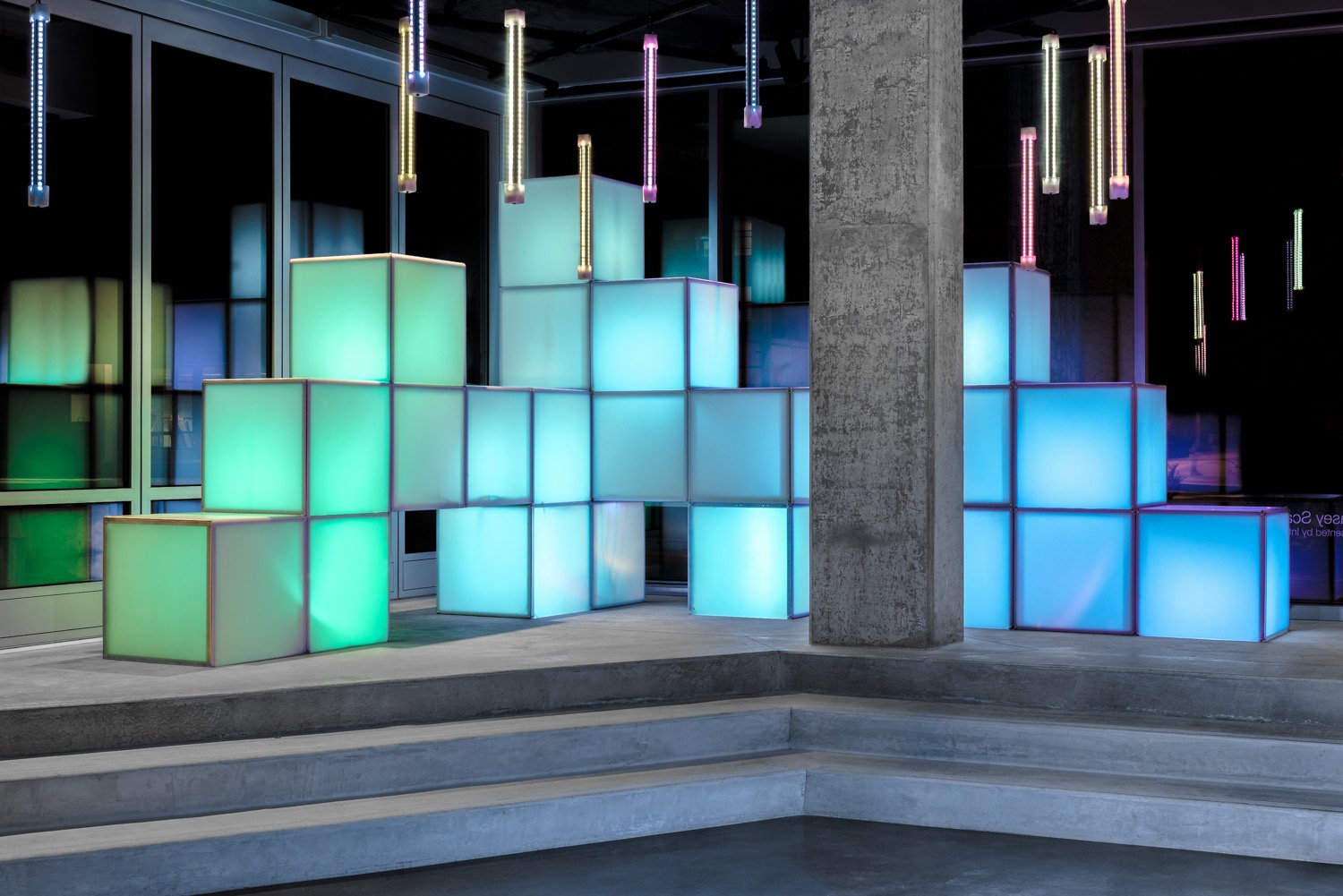
TUBIX Bars are NOVA's own. Lines of programmable light that carve geometry out of empty space, building shape, color, and motion where nothing hung a moment before.
CUBIX CUBES
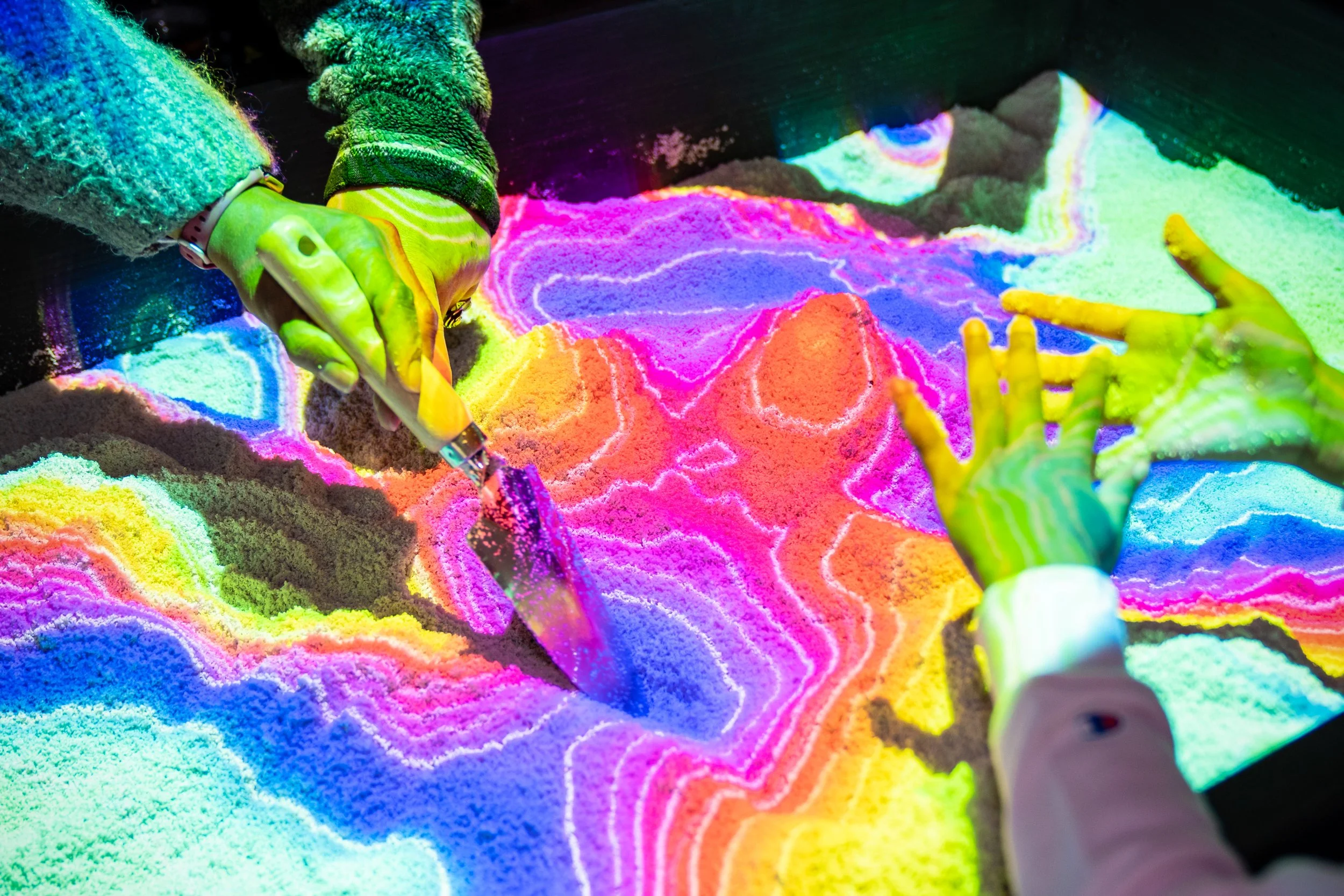
The pixel, made physical
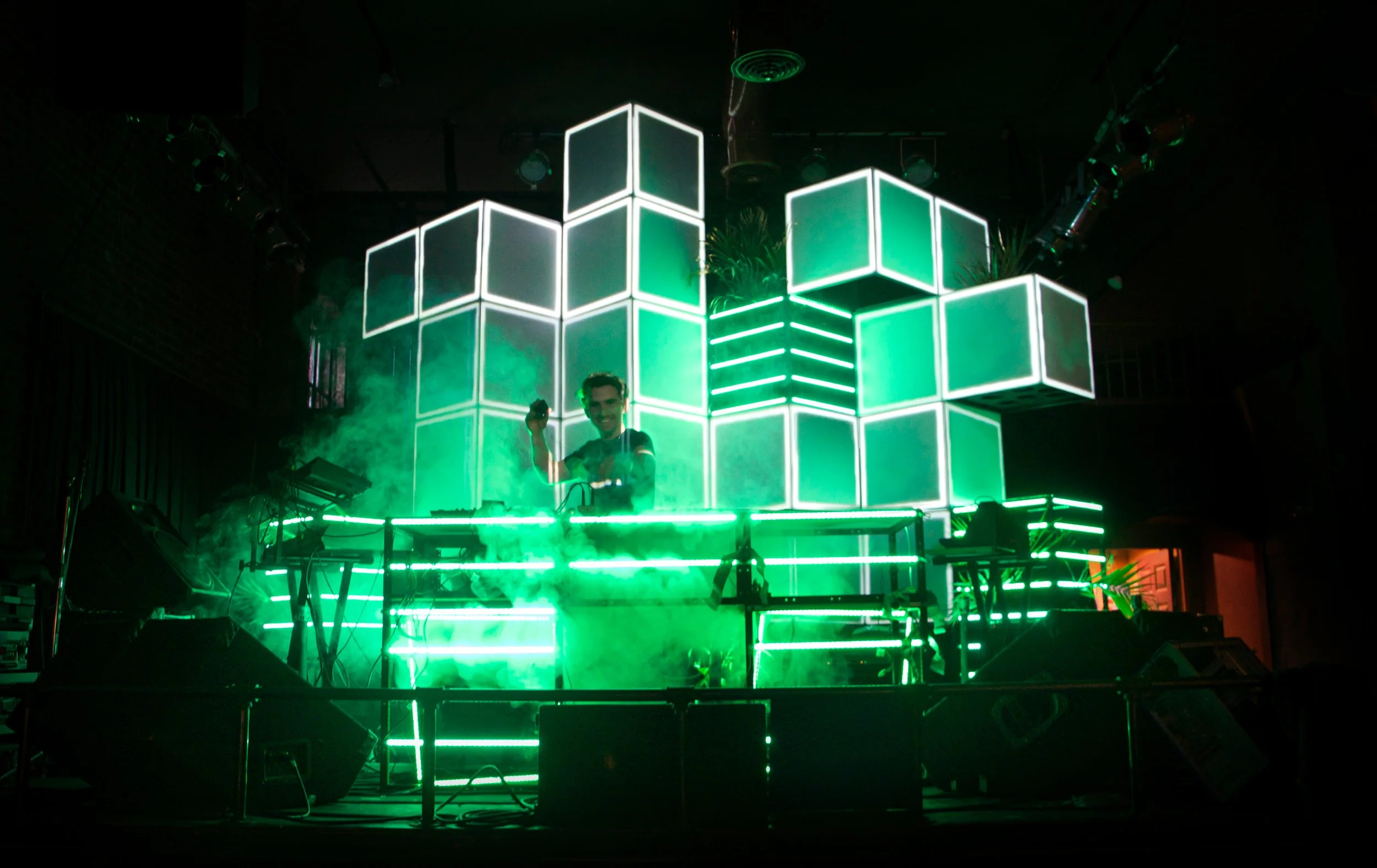
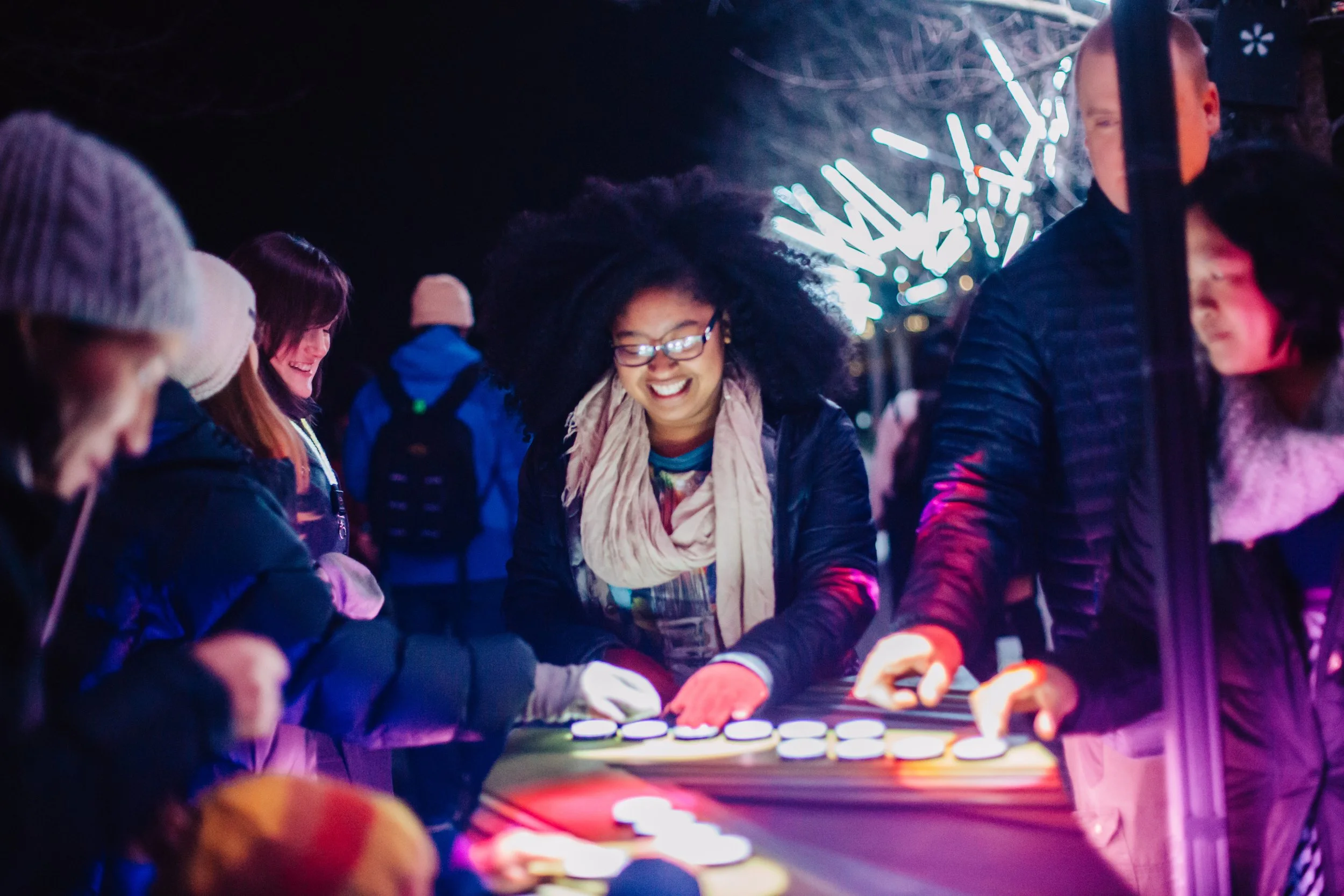
CUBIX cubes are voxels made real. Modular blocks of light that pull the 3D pixel off the screen and stack it into sculpture a crowd can move around and through.
trusted by



“Thank you for another great year. It was a good evening.
Loved your work!”
Pamela R.
Program Director
SPIE Prism Awards
FAQ
-
Lighting design is the artistic and technical design of light within a space.
It is the deliberate choice of color, movement, intensity, and placement that turns a room into an experience, using fixtures rather than projected imagery.
-
Projection mapping casts custom visuals onto surfaces. Lighting design shapes the room with the light itself: color, beams, and movement filling the space.
The two are complementary, and many events use both.
-
Lasers, TUBIX LED Bars, moving heads, CUBIX Cubes, strobe, uplighting, LED walls, and traditional screens.
The fixture set is chosen per event, matched to the room and the effect the moment calls for.
-
Yes. Much of this technology performs in daylight and mixed light, where projection struggles.
That is one reason NOVA can design for nearly any environment, from a blacked out hall to an open air venue at dusk.
-
Many fixtures are rated for rain and outdoor use. Others need enclosure or special treatment to go outside.
NOVA specifies for the actual conditions so the rig is built for the forecast, not surprised by it.
-
Yes, and they often do.
Projection handles the surfaces, lighting fills the volume, and NOVA designs both to read as a single experience rather than two systems sharing a room.
-
For live events NOVA designs the show and directs the rig on site.
Equipment sourcing is arranged per project and scaled to the room, the run, and the budget.
-
Item descriptionLaser shows in the US fall under FDA variance requirements.
NOVA works within that framework and handles the safety planning, so the show clears the room and the paperwork both.
-
The earlier the better.
NOVA runs one project at a time, so calendar space is finite, and early involvement lets the venue's constraints become part of the design instead of a problem discovered on site.