live events
Every event is competing for attention. NOVA Light Labs builds the one nobody forgets.
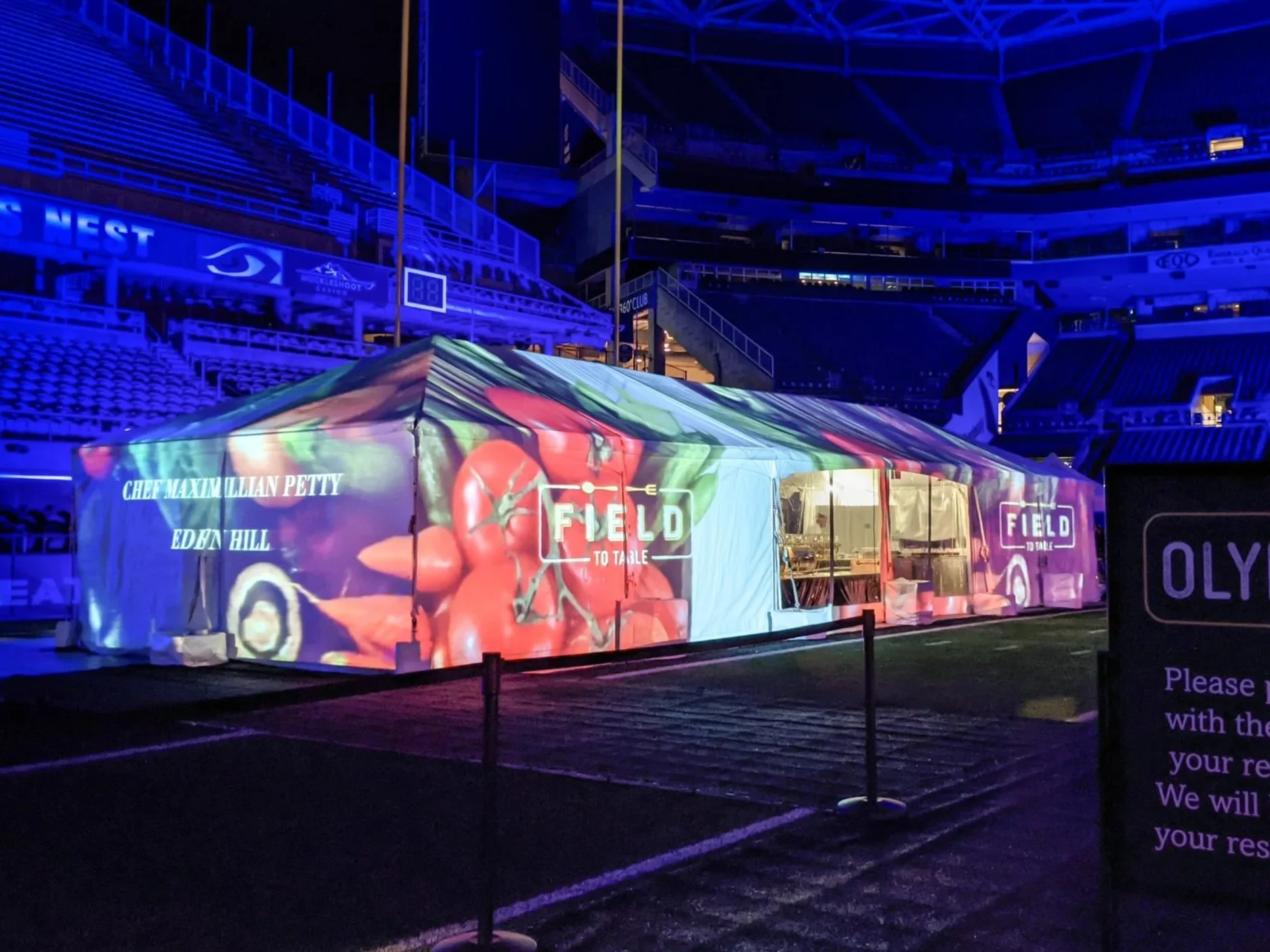
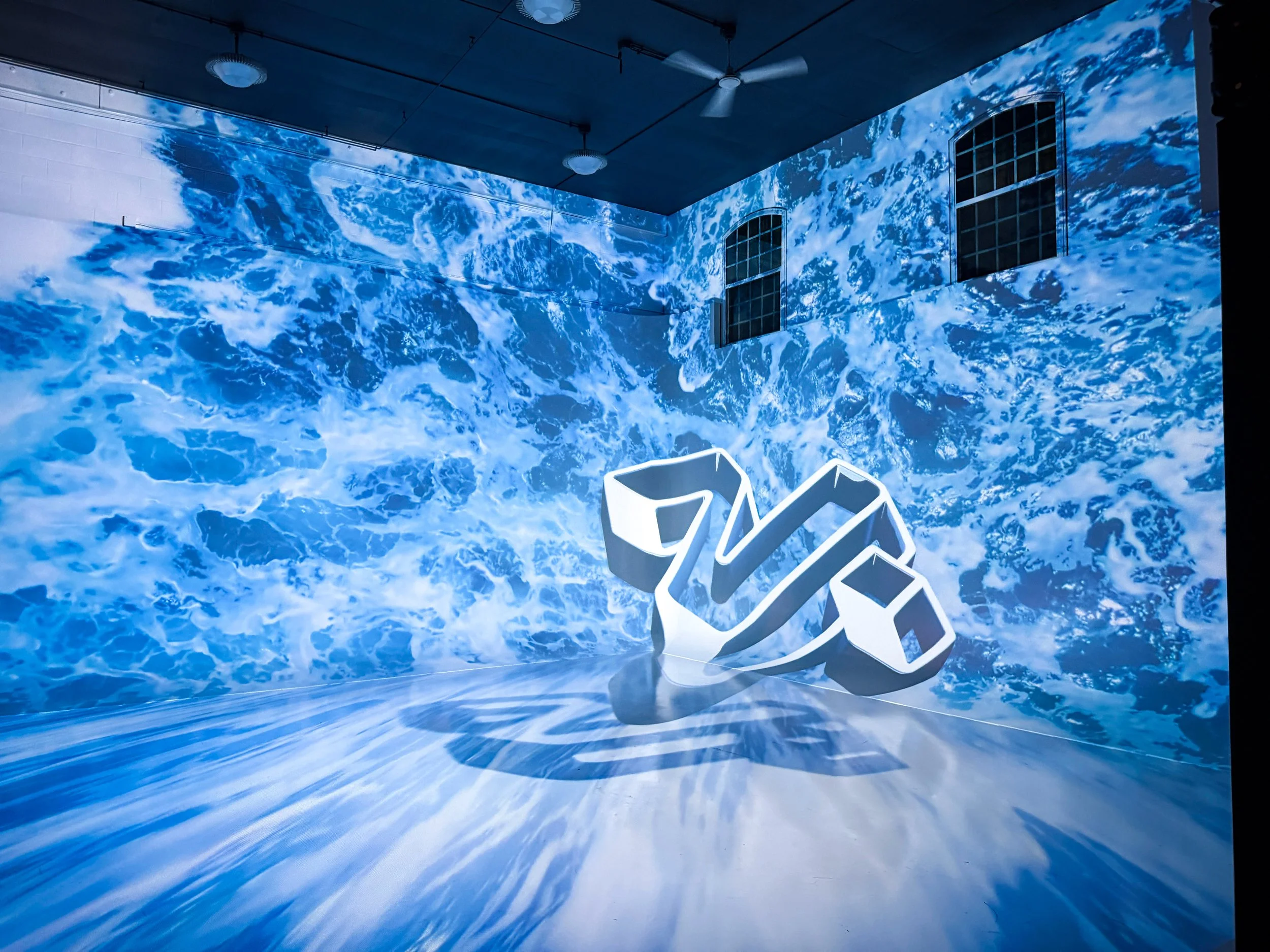
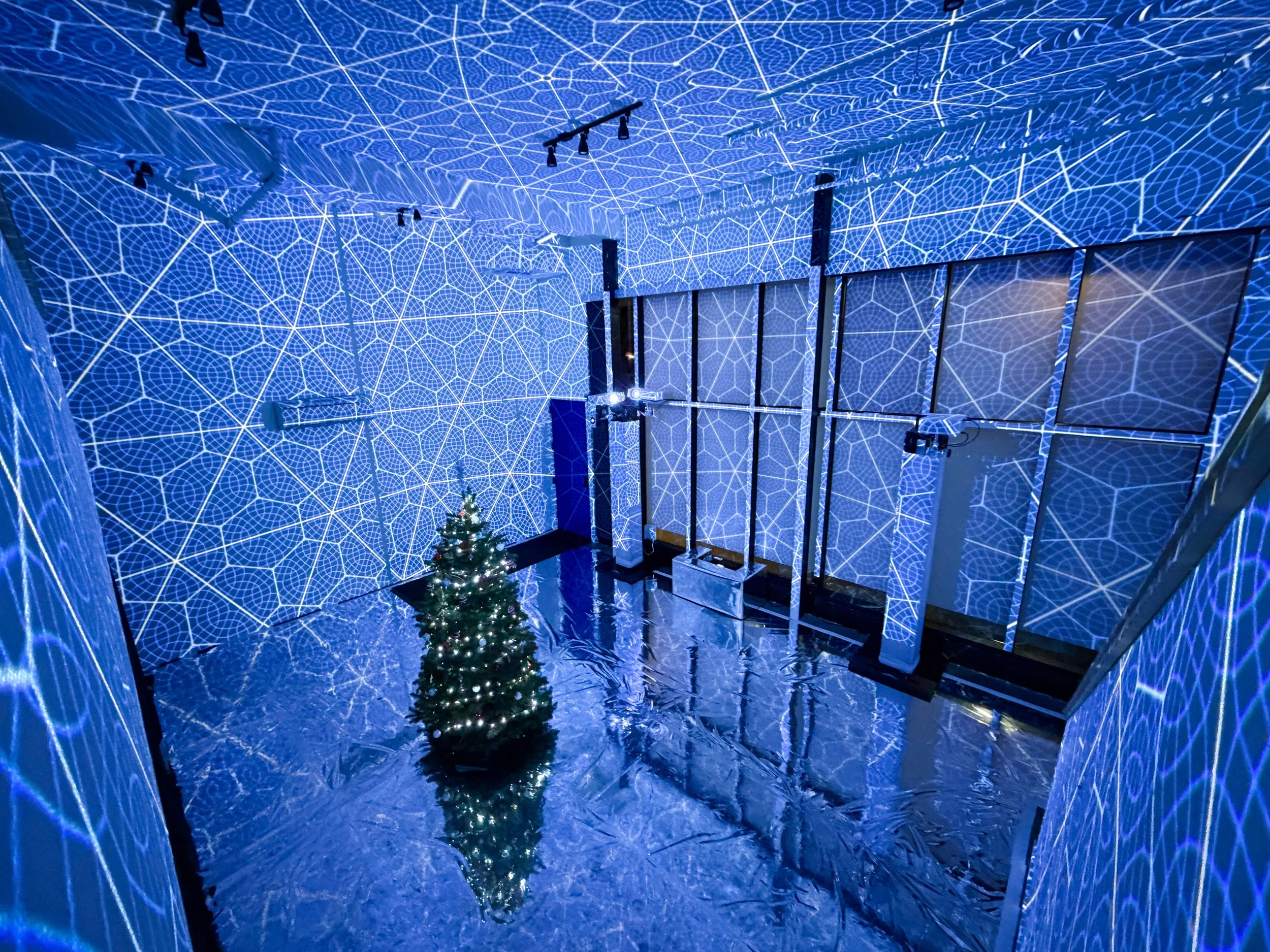
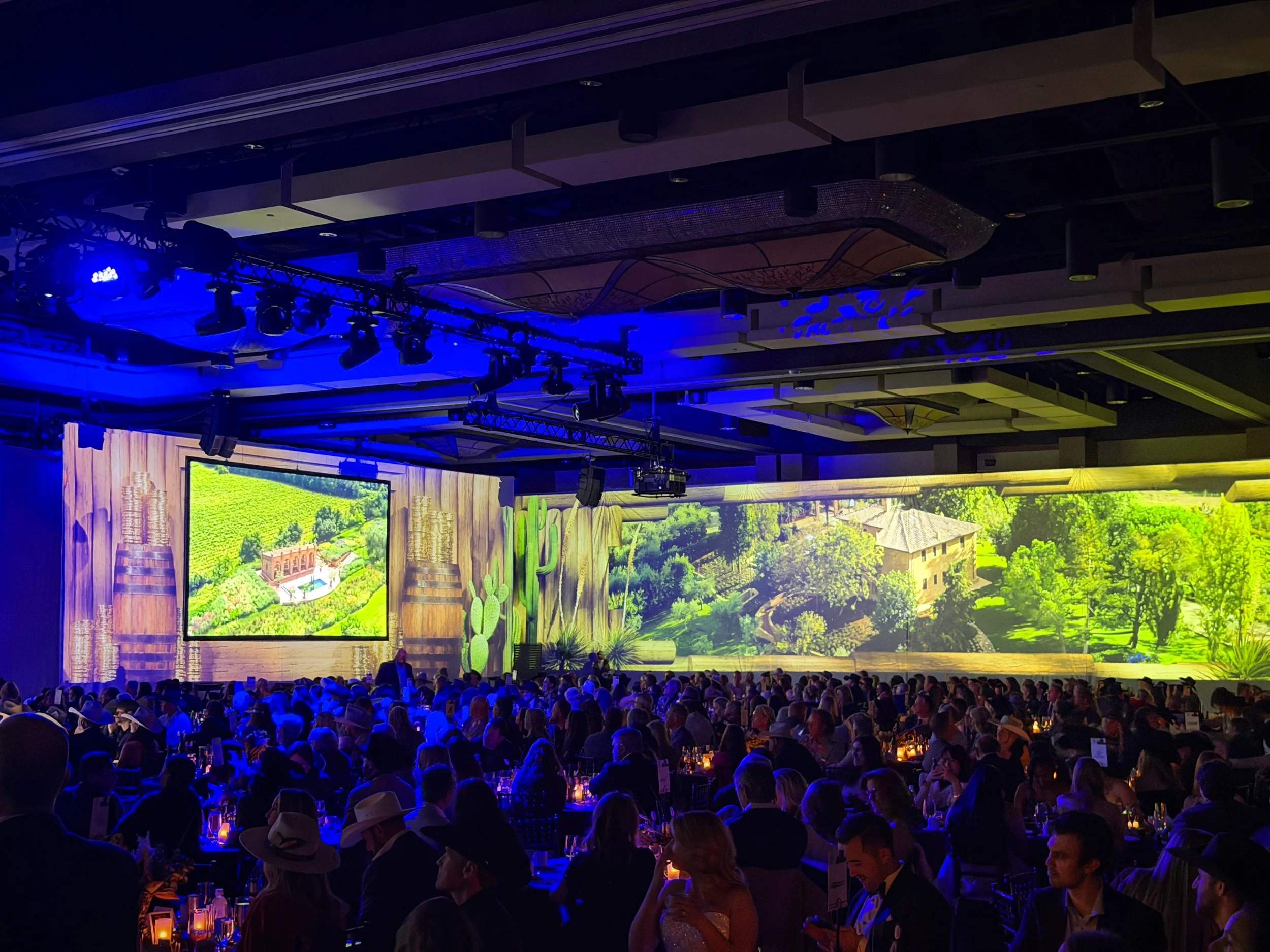
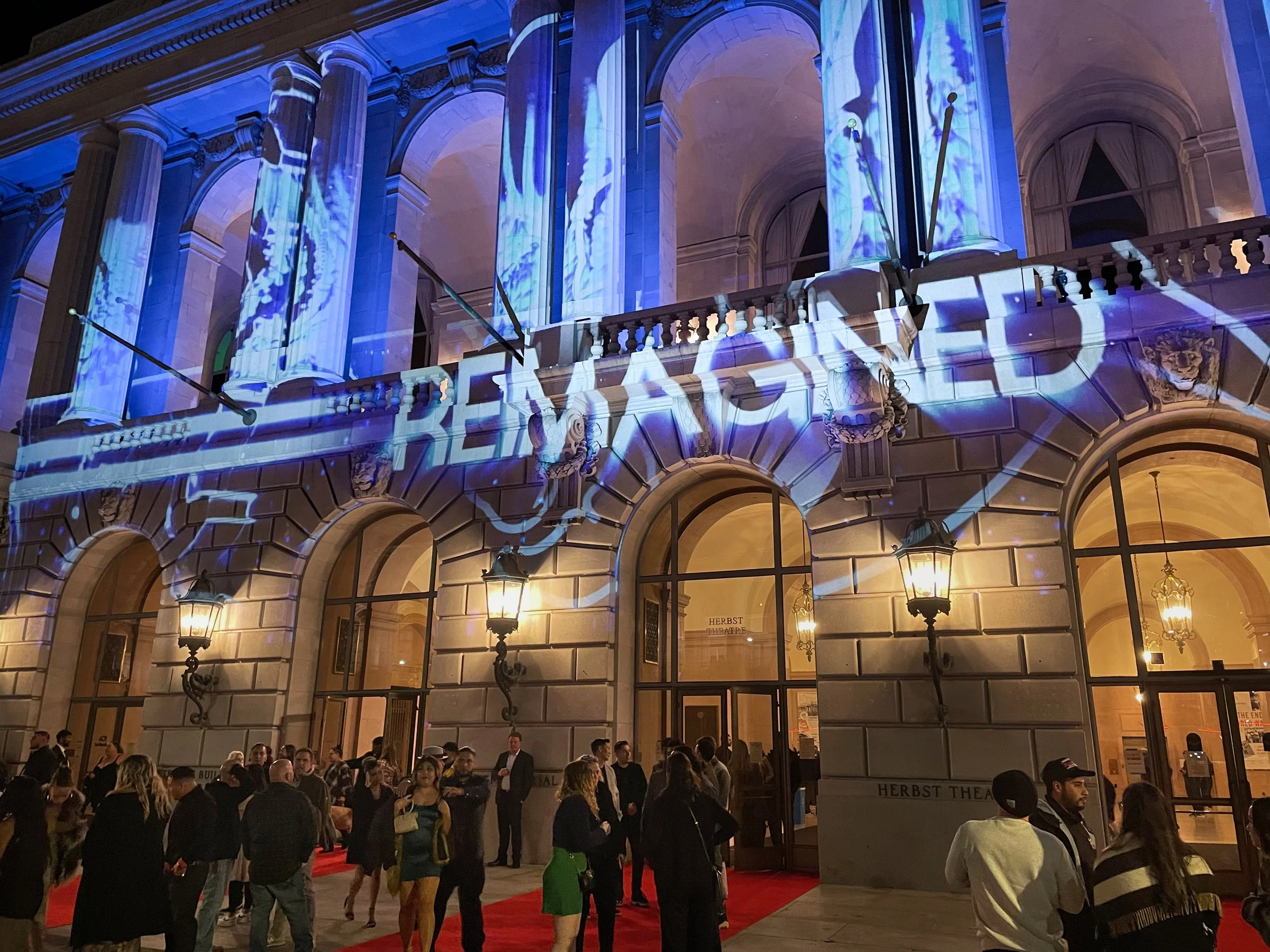
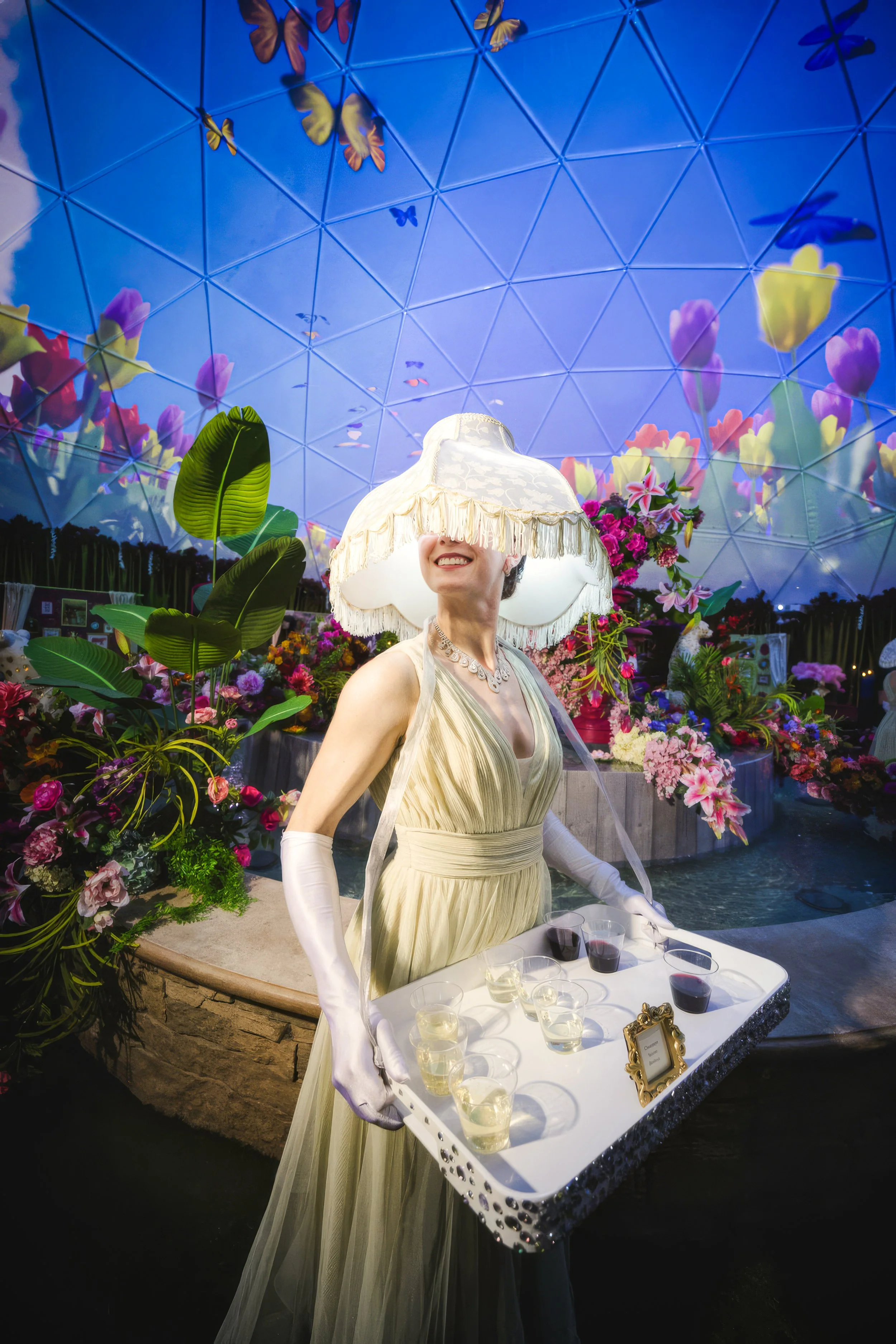
Uplighting makes a room blue. Projection mapping makes it an underwater palace, a neon cathedral, a jungle of shimmering architecture. The walls stop being walls and start being portals to another world.
The transformation carries the brand inside it. Colors, marks, theme, the reason the room was booked in the first place.
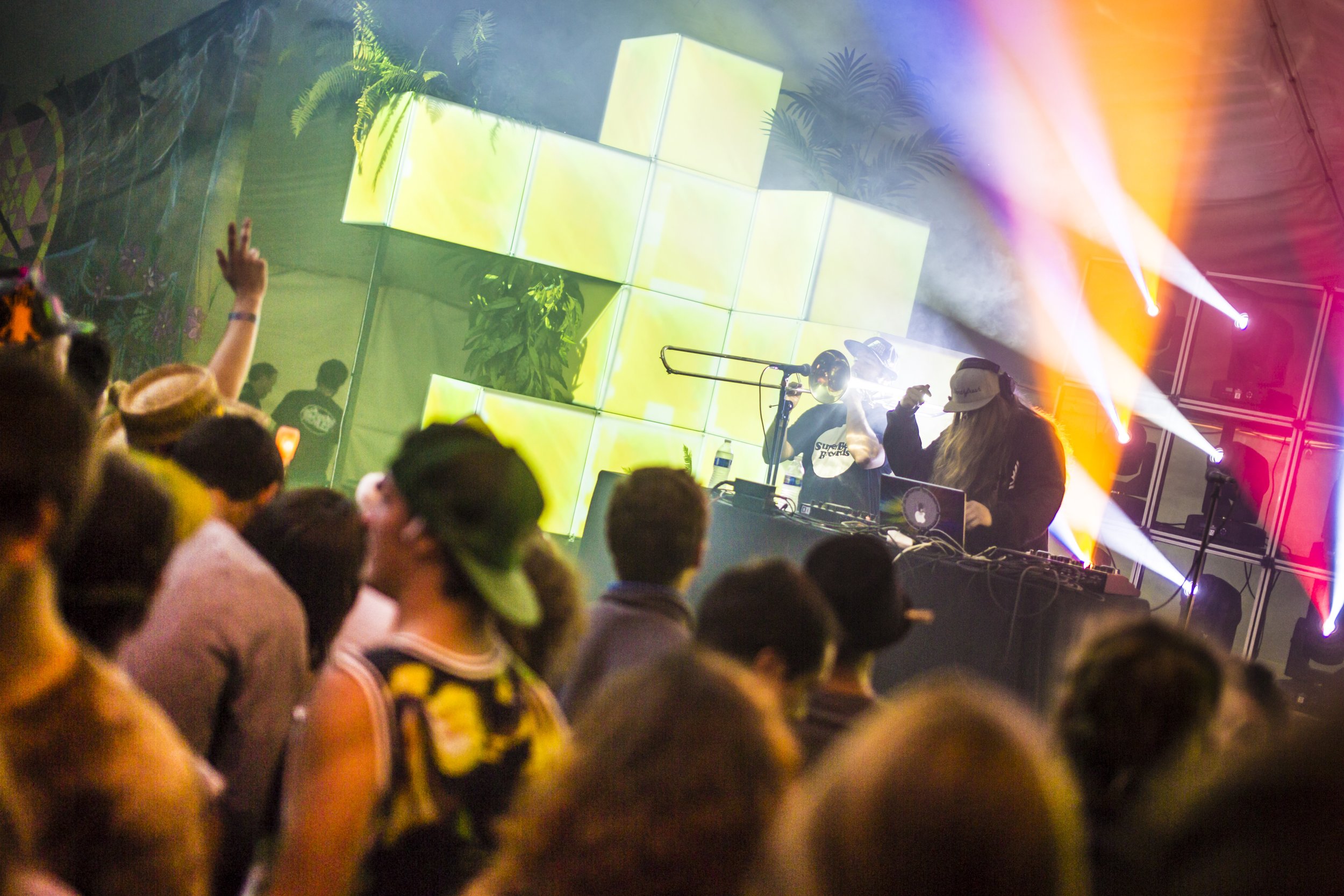
Live work gets 1 take, and NOVA comes out of 15 years of festival and concert production, where the grand finale does not get a second chance.
overivew
The first reaction happens before anyone finds a seat.
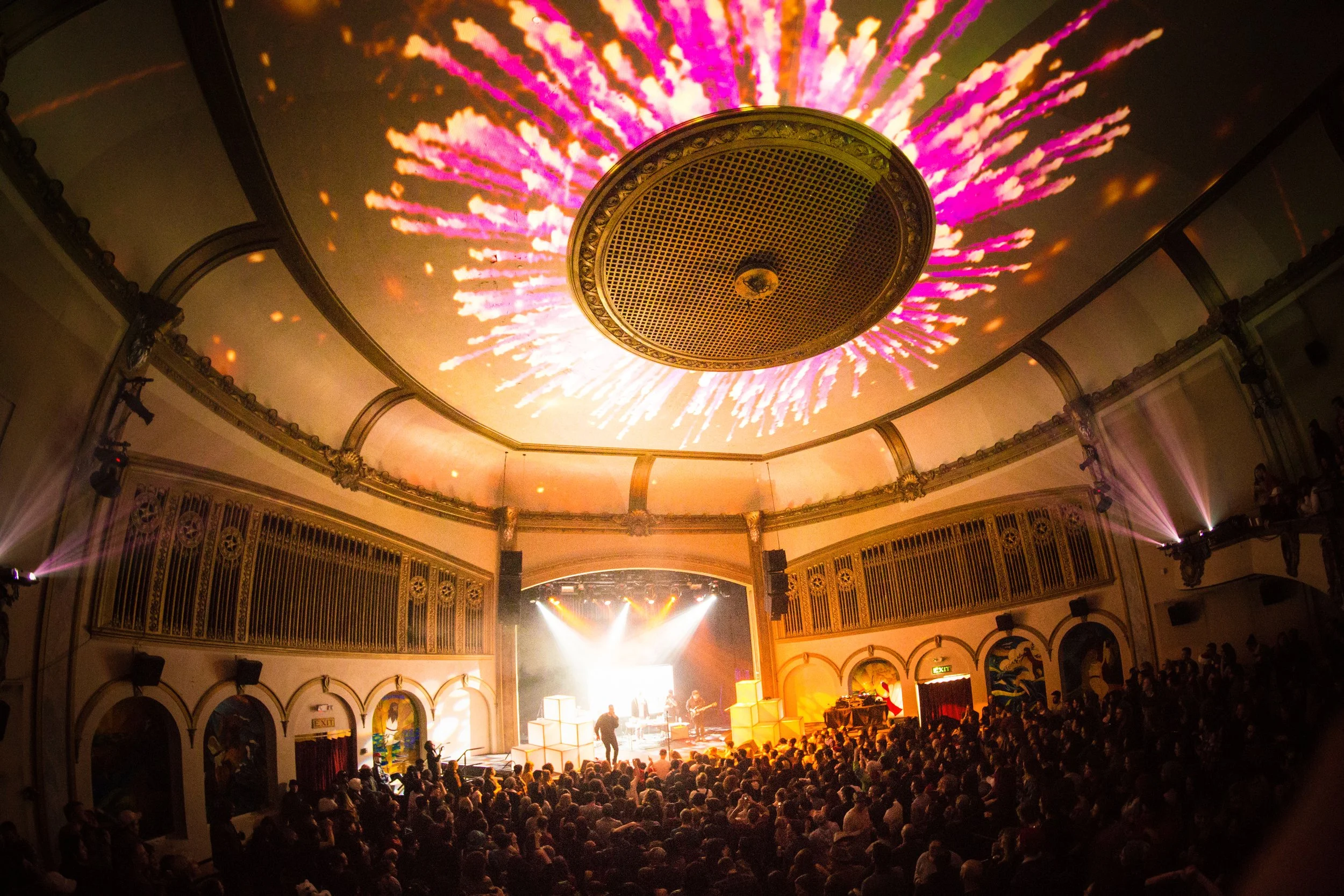
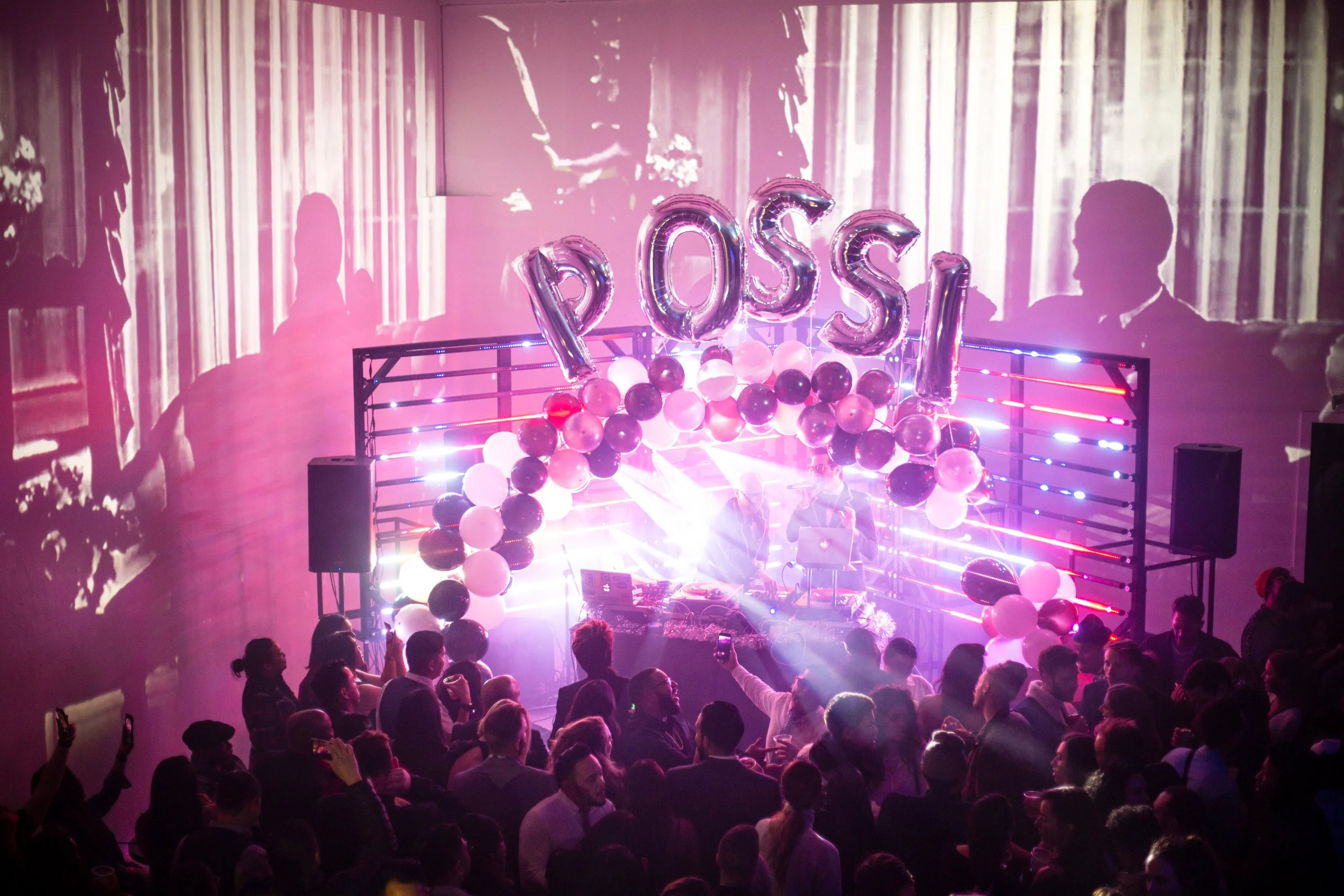
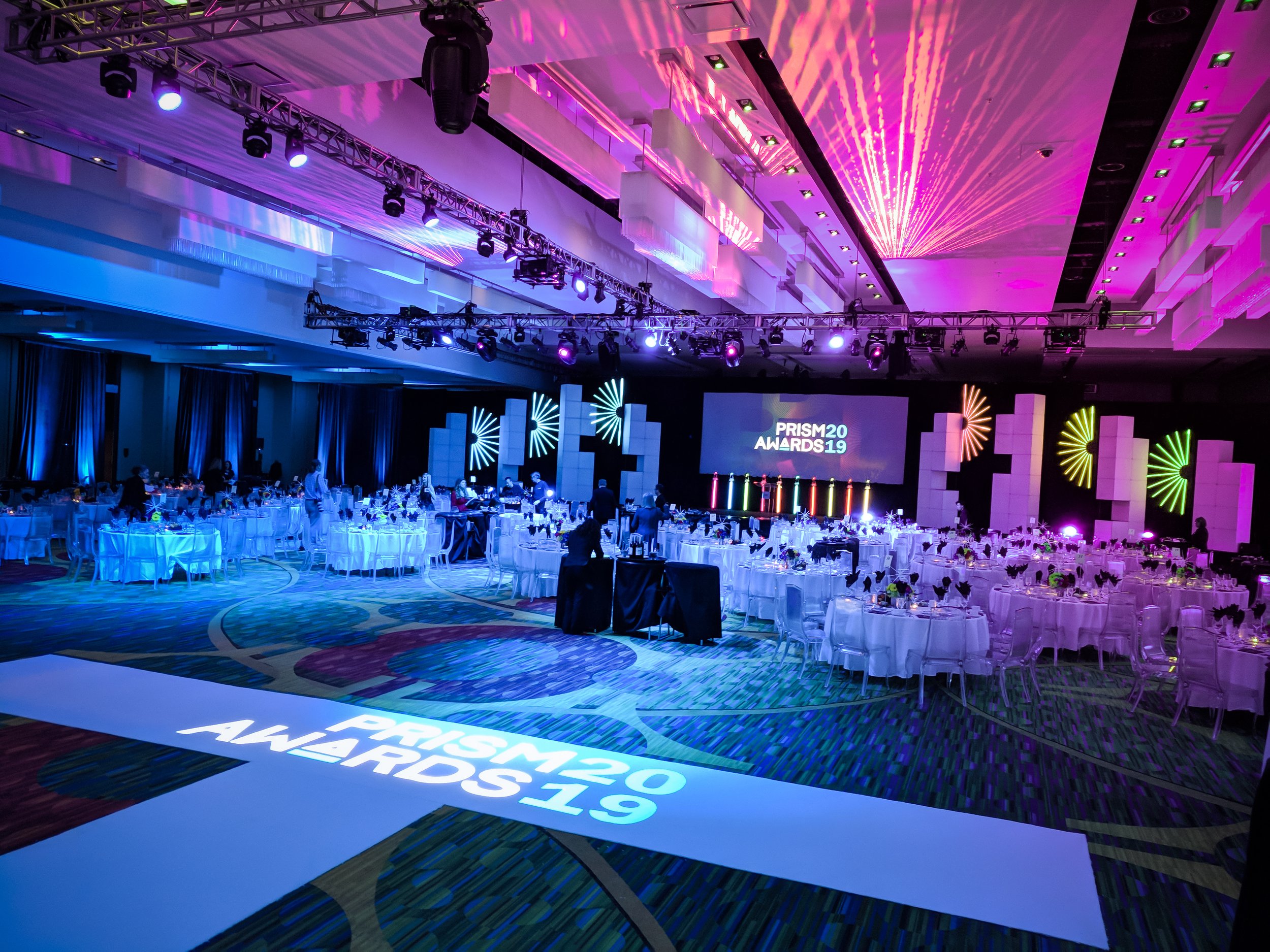
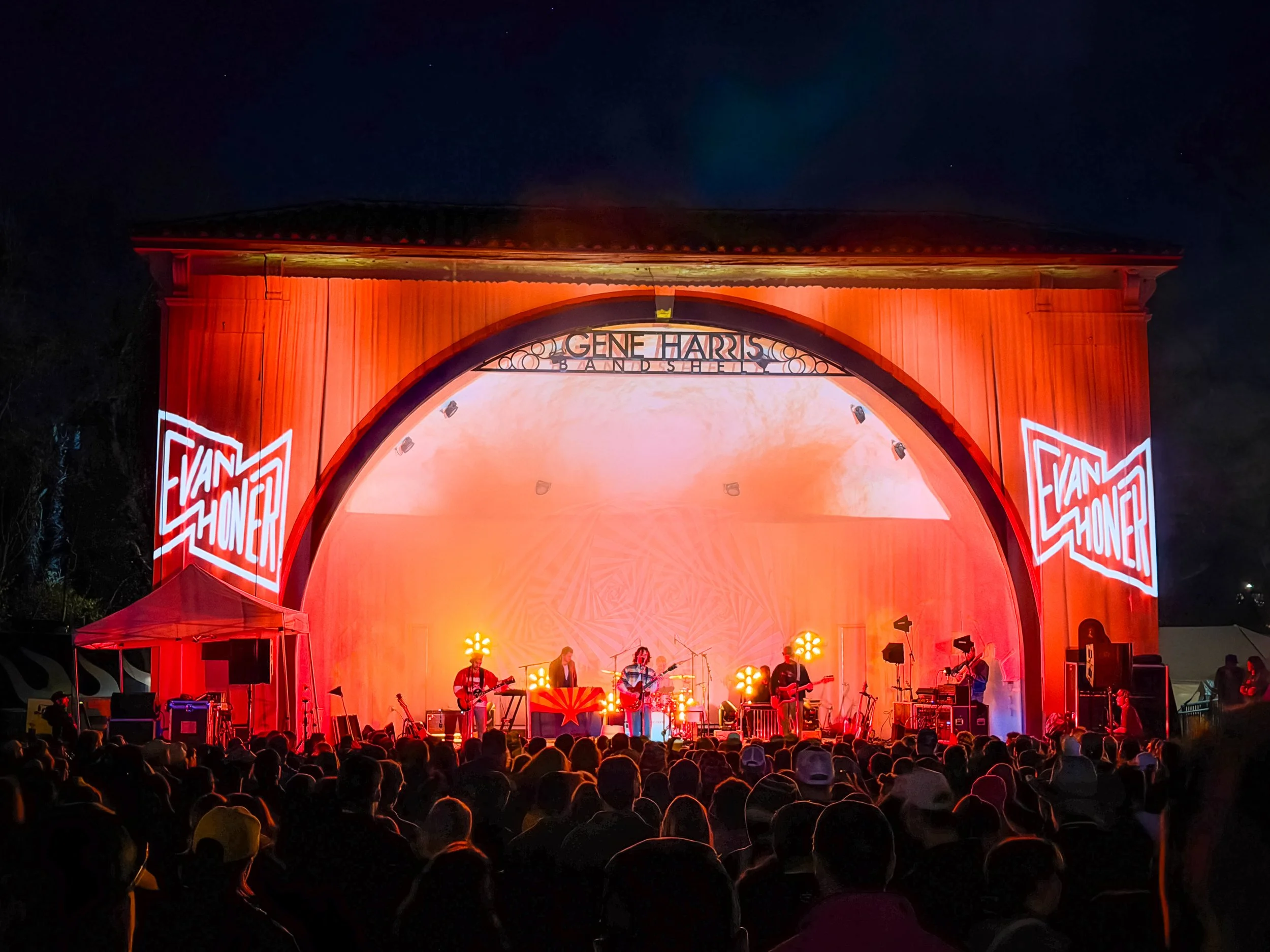
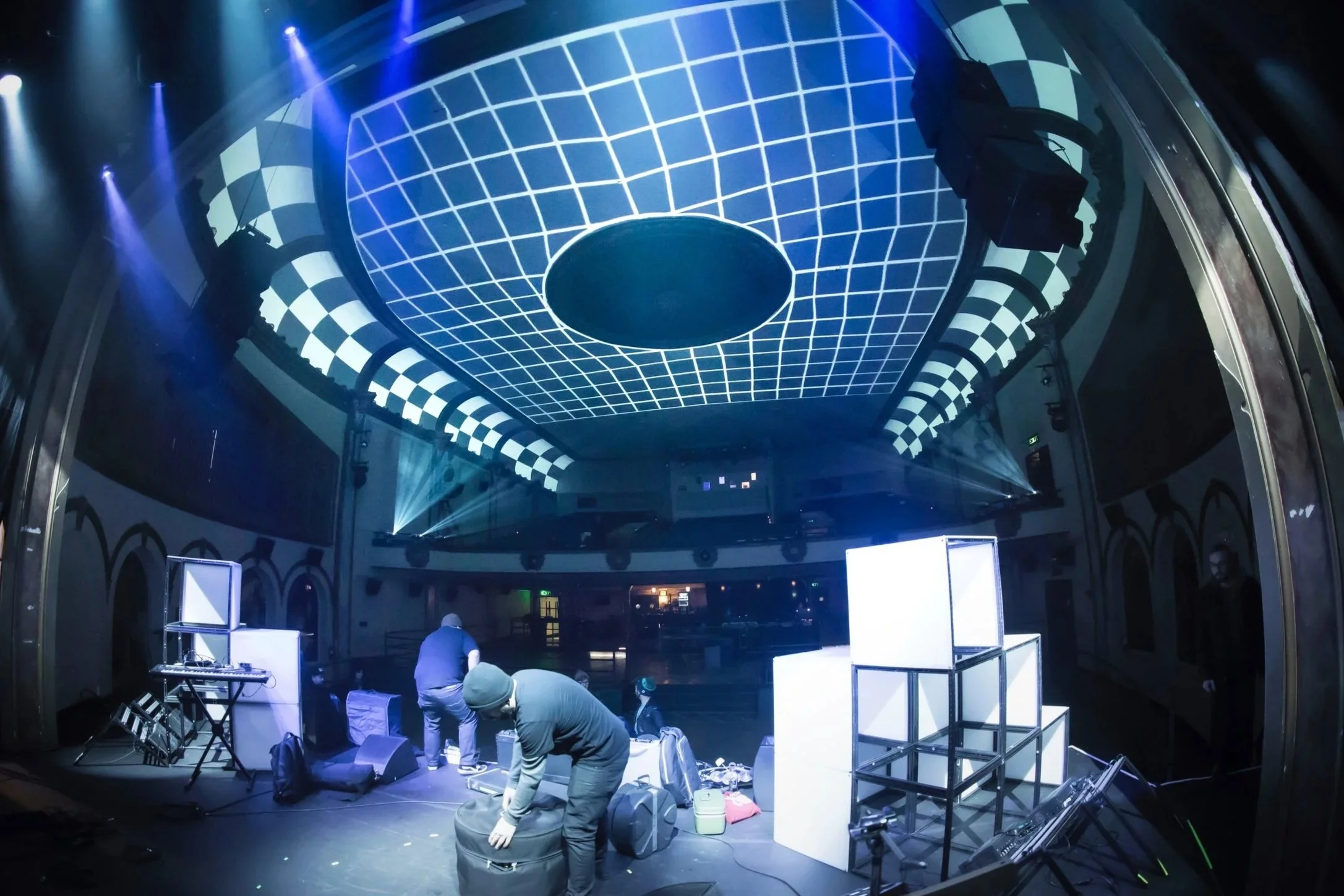
Light moves across every surface. Ceilings open. Architecture behaves in ways architecture should not. Scale registers first, then the detail, then the realization that all of it was built for this night and no other.
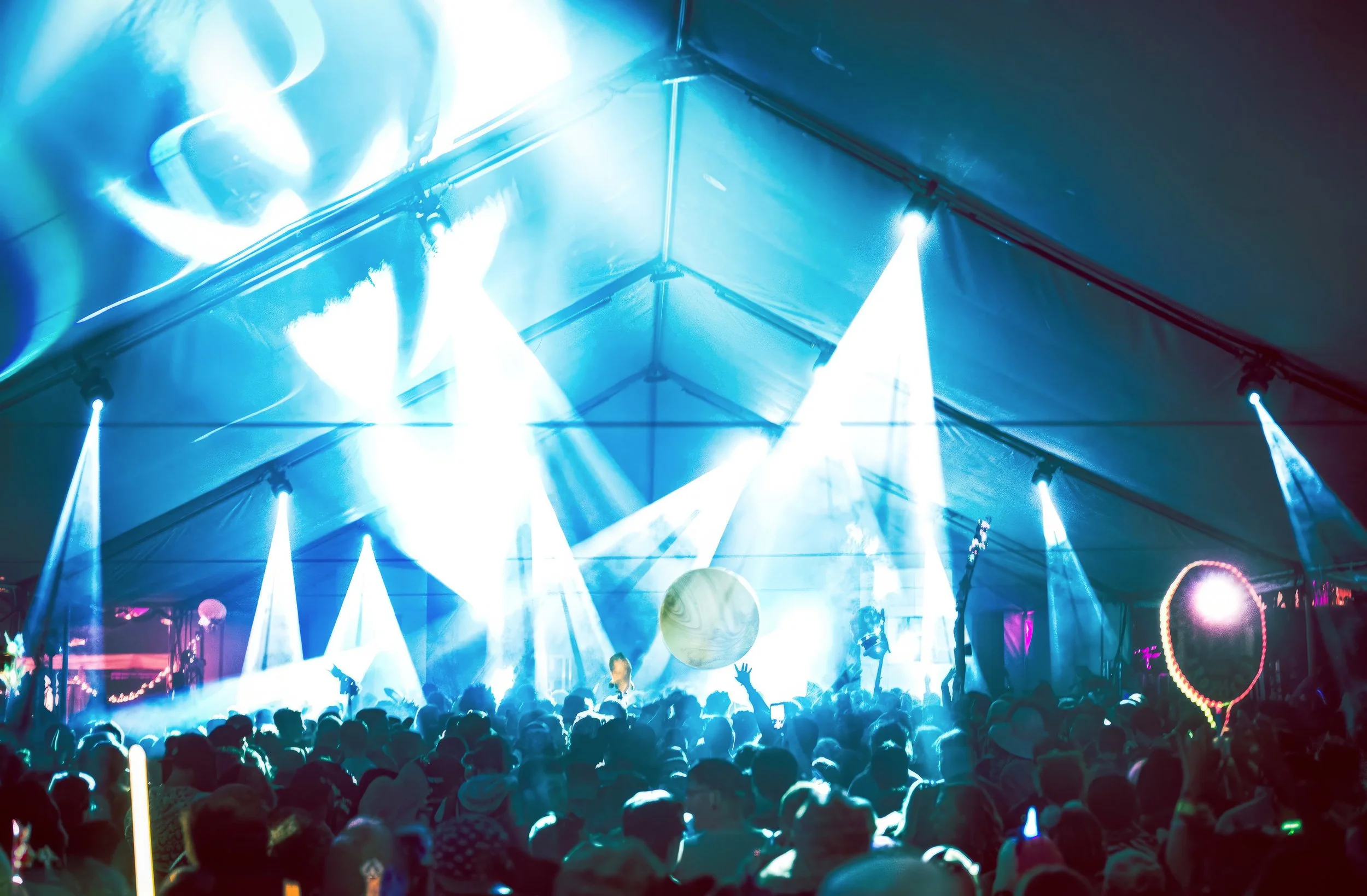
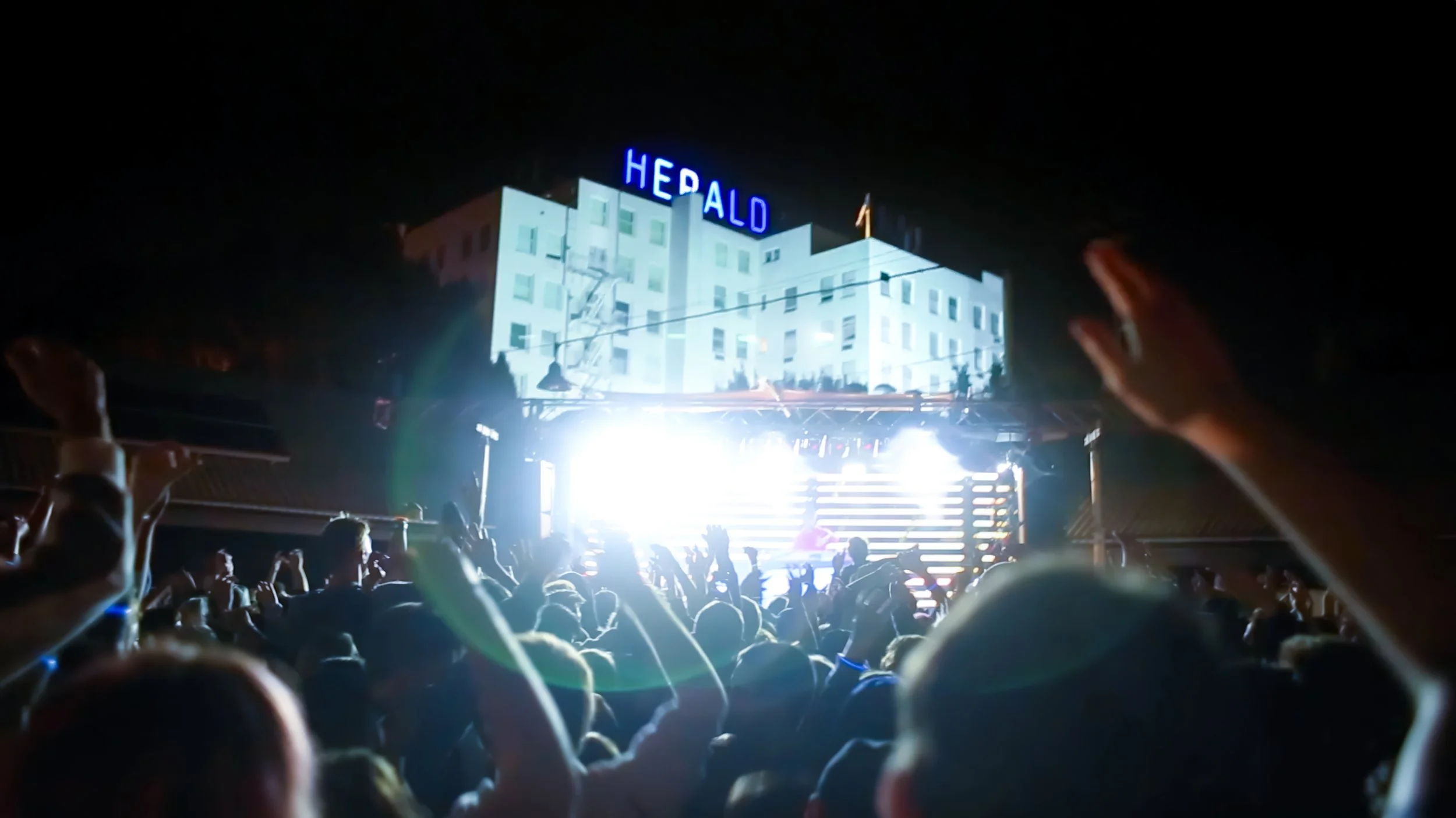
Memory is selective and it favors wonder. Nobody recalls the program handed out at the door. Guests remember that the room opened into deep space, that the last song burst through the ceiling with color.
Photographs carry it outward. Memory keeps it.
creative
The venue writes the first draft.
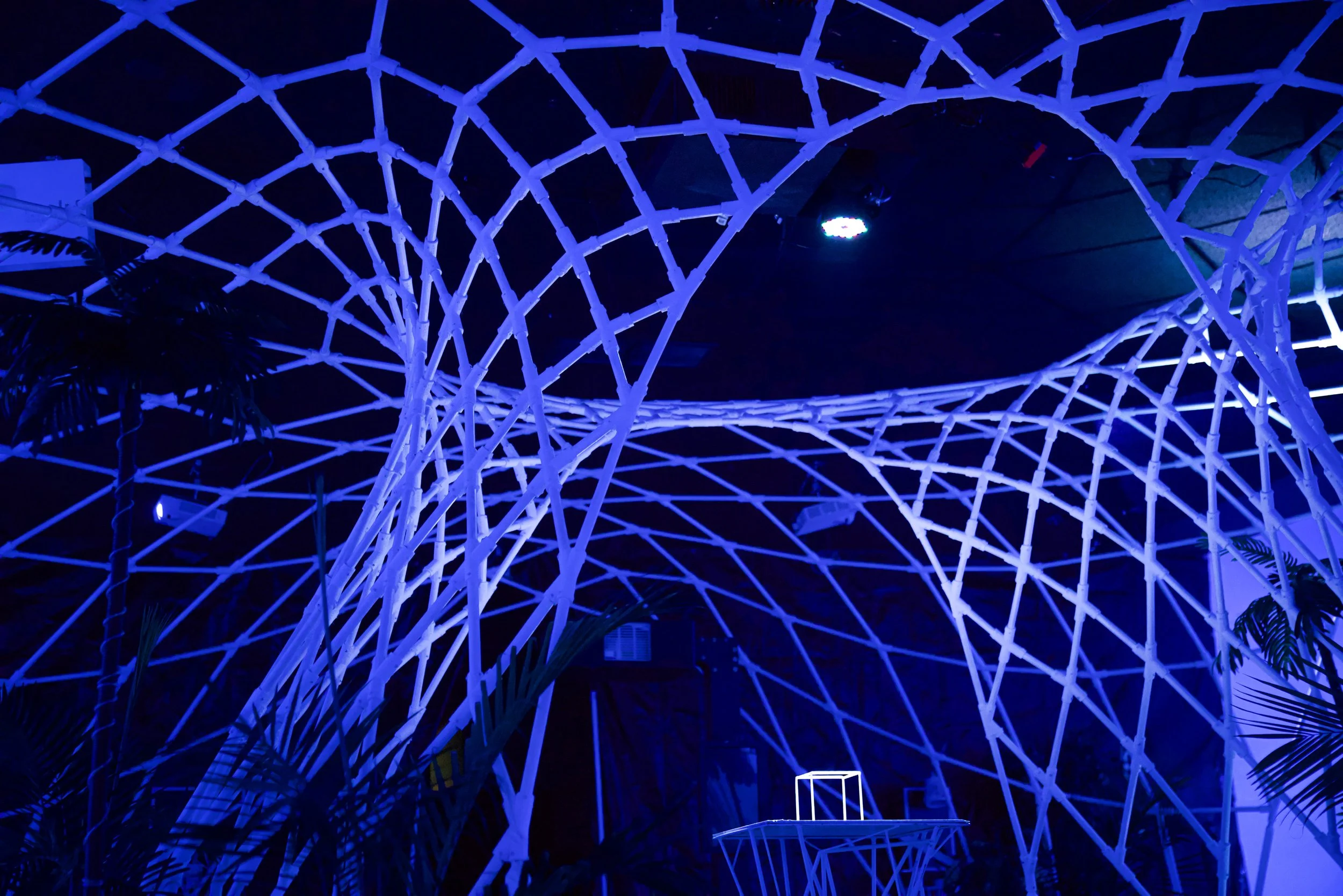
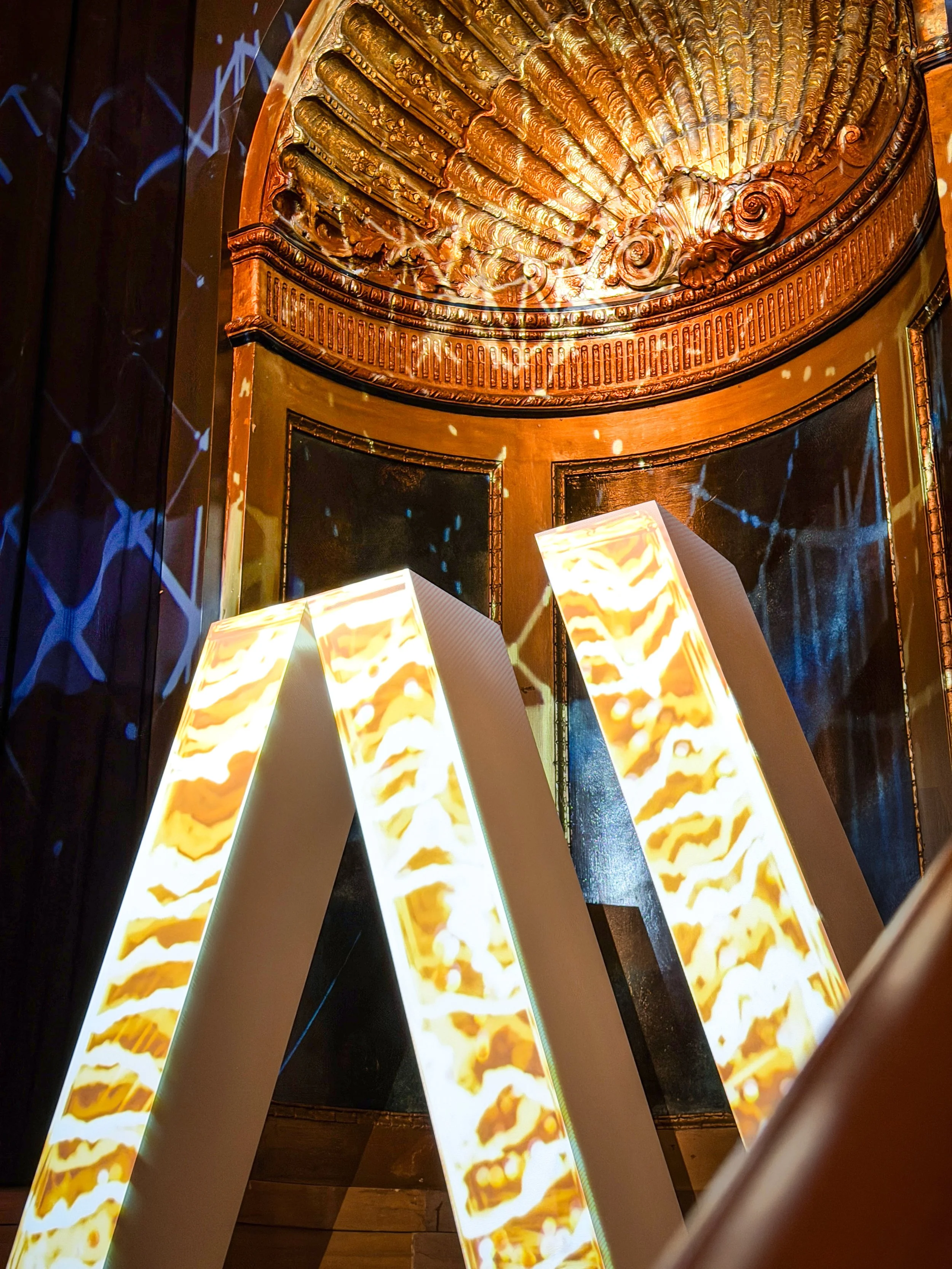
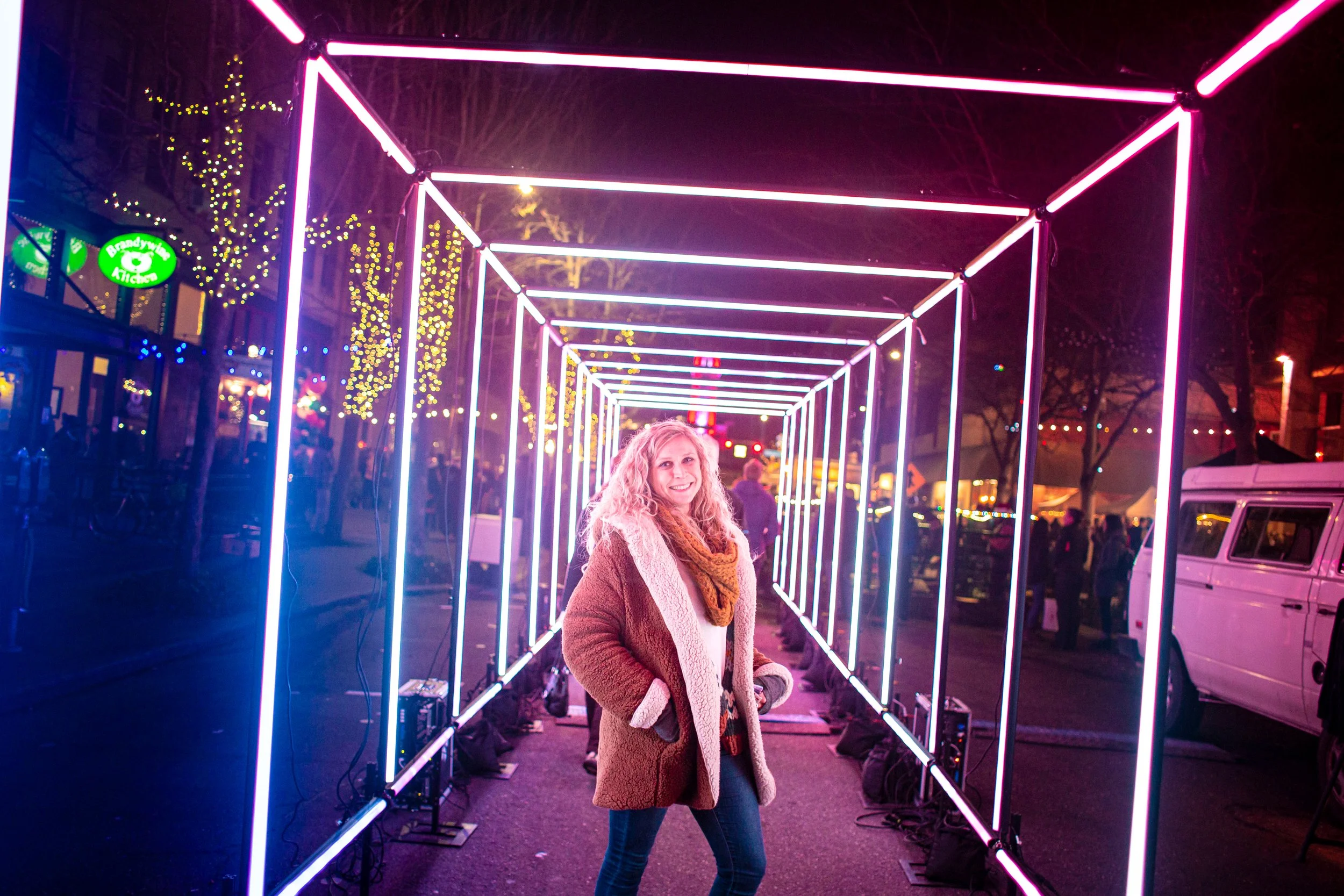
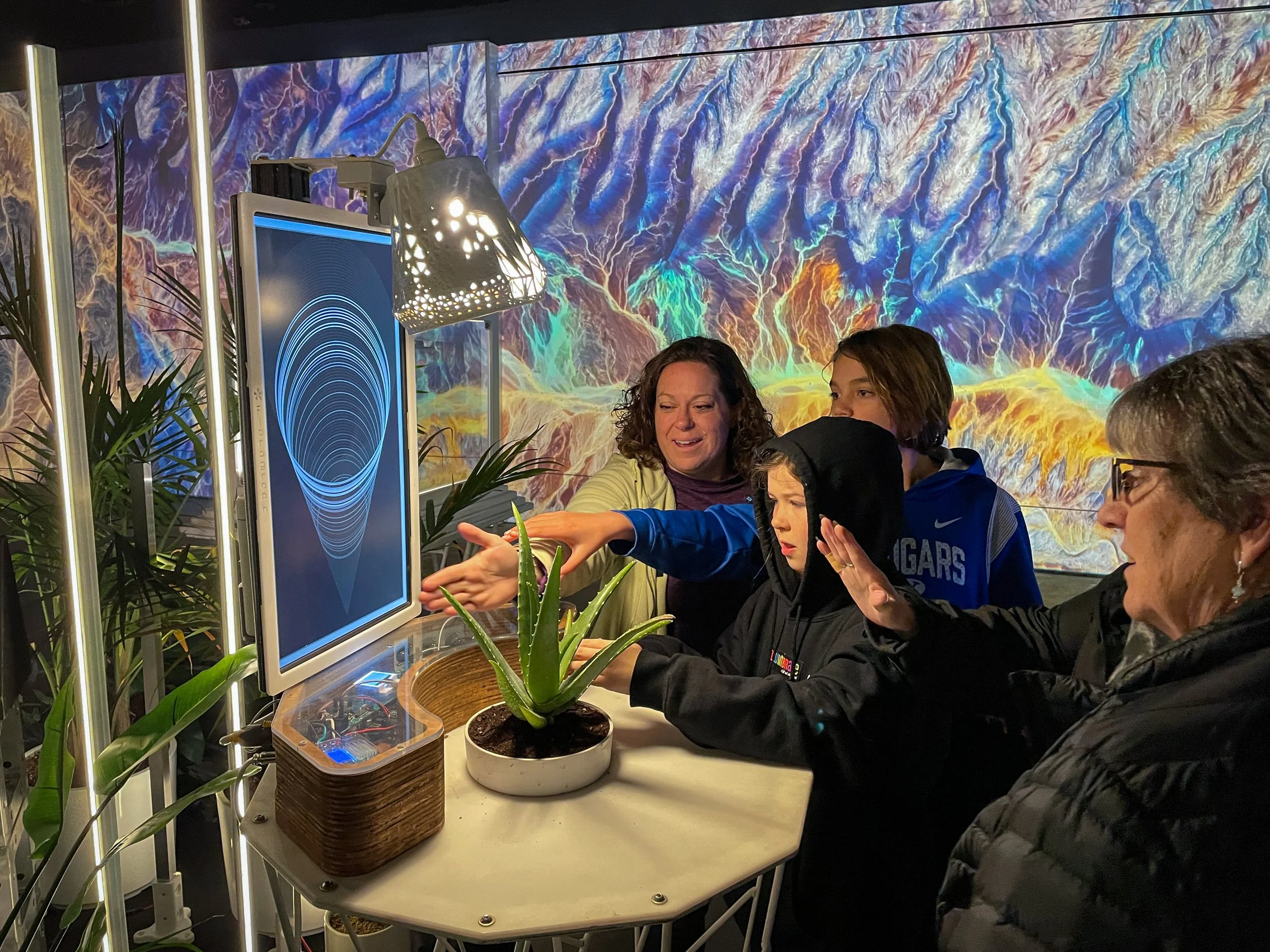
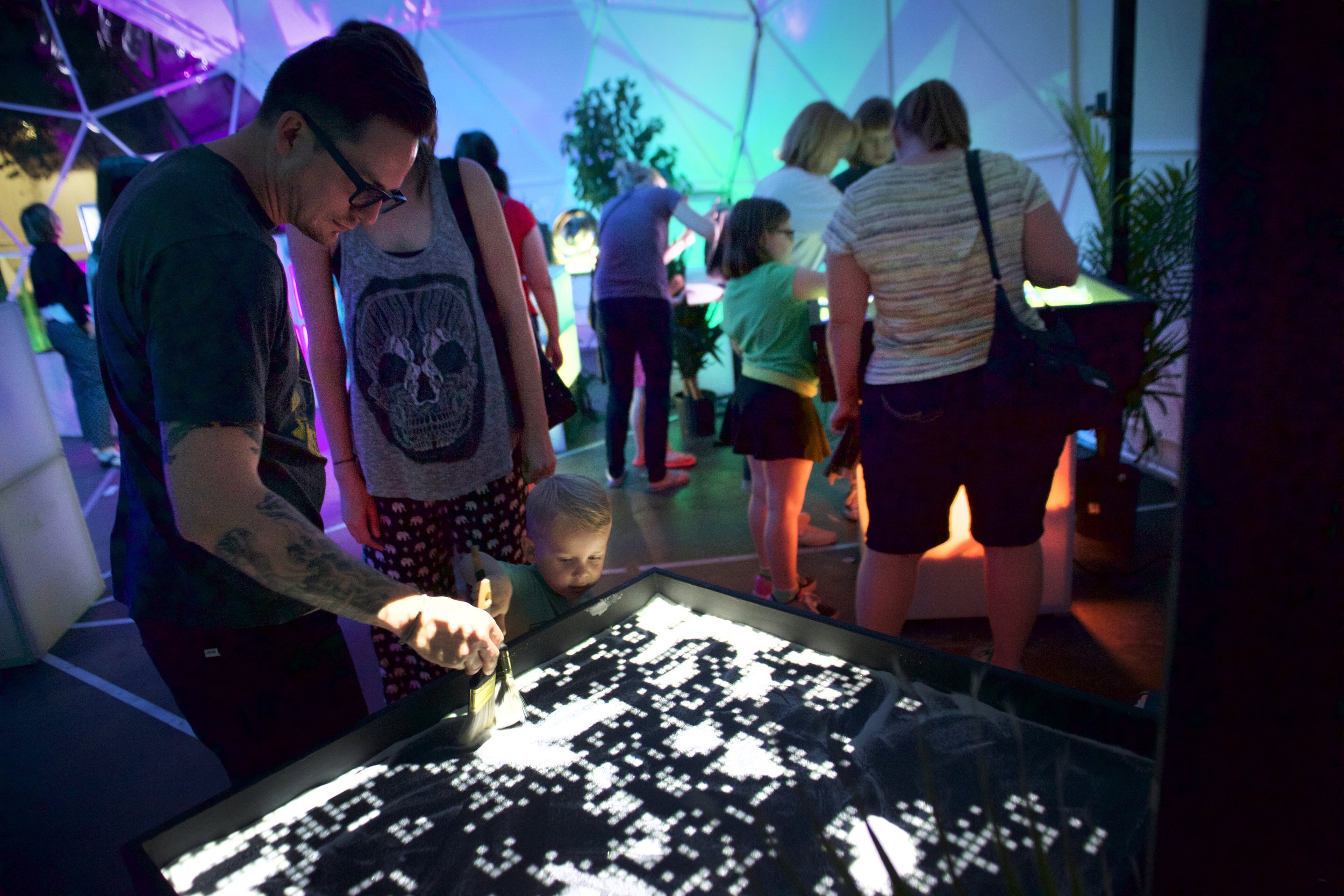
Architecture decides what projection mapping can do. A vaulted ceiling asks for something different than a flat facade, a stage set, a dome, or a sculpture built out of laser light. NOVA reads the room and designs to it. Custom visuals follow. Lighting design, stage design, and interactive elements enter wherever they serve the concept instead of decorating it.
Producers sweat the details, and they should. The process is built around that: a brainstorm review, a check in as the look develops, and fine tuning on site once content is live on the surface.
Nothing arrives recycled from the last client. NOVA never does the same show twice.
production
Live production is logistics against a clock that does not move.
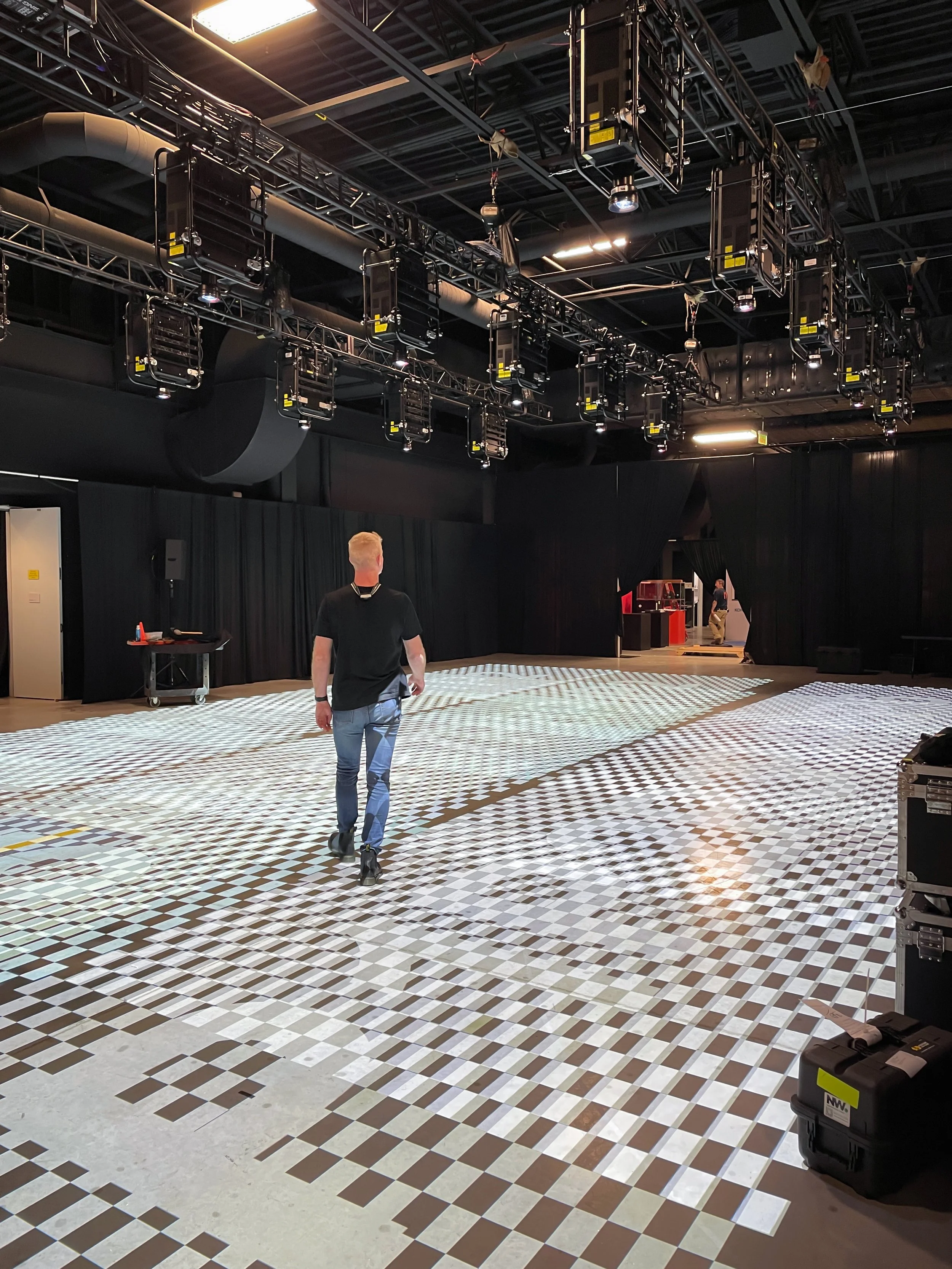
Scope sets the shape of it. Some shows fit in a van. Others take multiple semi trucks, a crane to raise the dome, and a 3D survey model of the building weeks before anyone reaches the loading dock.
Load in can be 3 days or the morning of. Both get planned the same way, backward from doors.
NOVA runs the sequence and keeps the client ahead of it: what has to be decided, what has to be delivered, and when. The crew is small, specialized, and dressed in black. Every show has run on time. No exceptions.
trusted by


“A million thanks for your incredible services over the course of this project and especially these last few nights.
You’ve been great to work with and I really appreciated your guidance and expertise!”
Lianna H.
Public Art Project Coordinator
Boise City Department of Arts & History
Boise Depot 100th Anniversary
FAQ
-
Projection mapping and lighting design work both indoors and outdoors.
Outdoor shows run after dark and account for ambient light, weather, and wind loading on any rigged structure.
Rain and wind are treated as design inputs, planned for in advance rather than discovered on show day.
-
Projection mapping and lighting design for a live event typically start around $10,000 and commonly land between $50,000 and $100,000.
Larger productions run well beyond that. Cost scales with the size of the projection surface, the number of fixtures, the volume of custom content, and the number of days on site.
Bring the venue, date, and scope to NOVA Light Labs and a real number comes back quickly.
-
The best venues for projection mapping offer control over light and light colored surfaces to project onto. Indoors that means house lights that can come down and walls, ceilings, or set pieces that hold an image.
Outdoors it means running after dark, away from street lighting, on a facade that is not already washed.
Lighting design works in any environment, including rooms that cannot go dark.
-
Standard event lighting colors a room.
Projection mapping turns the room into an image, aligning custom visuals to the exact geometry of walls, ceilings, facades, and objects so the architecture itself appears to change. Both can run in the same show, and on most events they do.
-
Live events should be booked as soon as the date is set, ideally 8 to 12 weeks out when custom content is involved.
Smaller shows turn faster. The long poles are always custom visual production and equipment availability during peak season.