architectural
projection
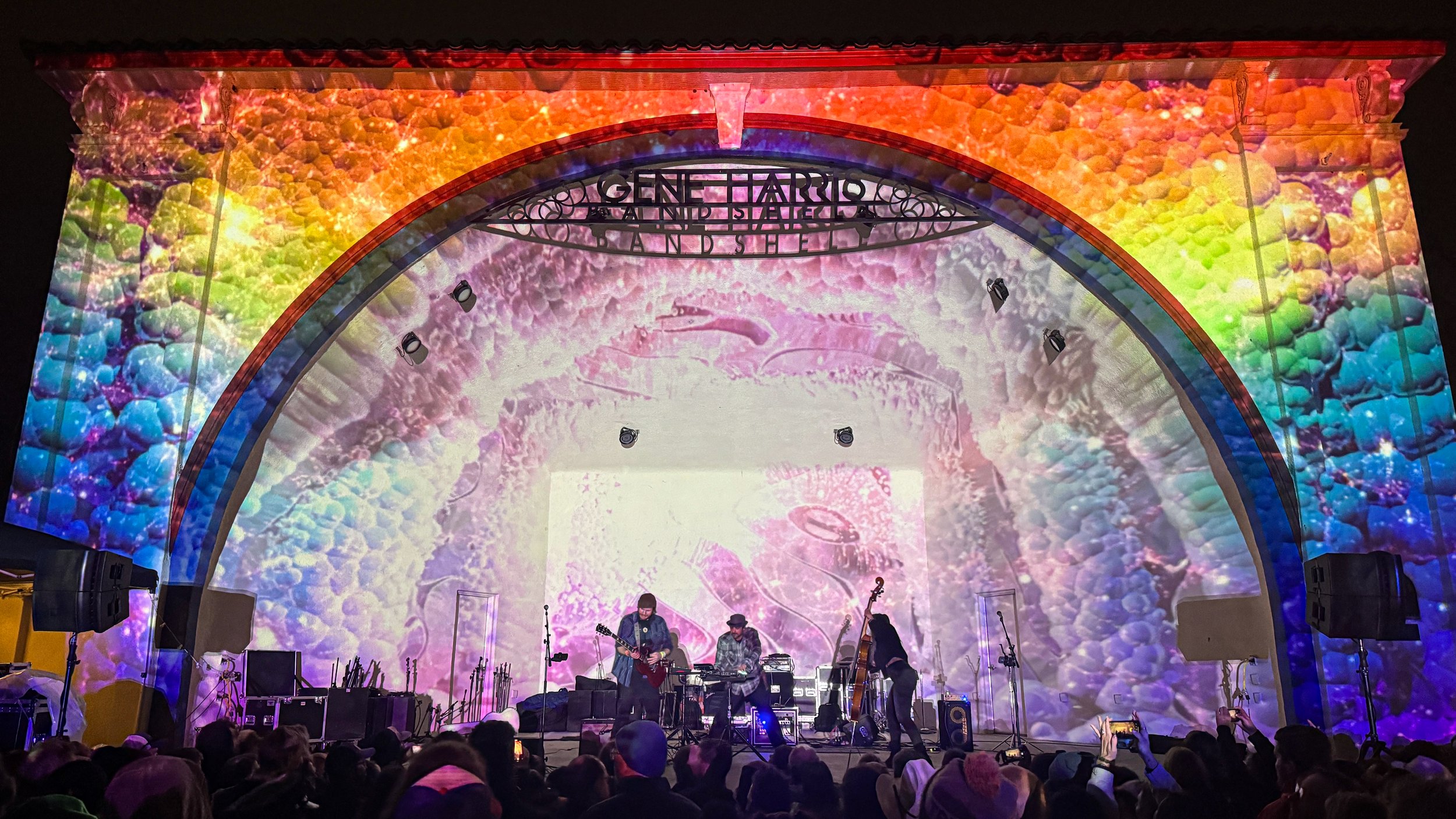
The intersection of light and architecture is the essence of projection mapping.
The skyline, made new. Light makes a city more beautiful, more interesting, harder to forget.
Art out of the gallery. Off the venue wall and onto the building, written large for the whole street to read.
1 story or 40. NOVA Light Labs illuminates them all.
overivew
Projection mapping is built for architecture
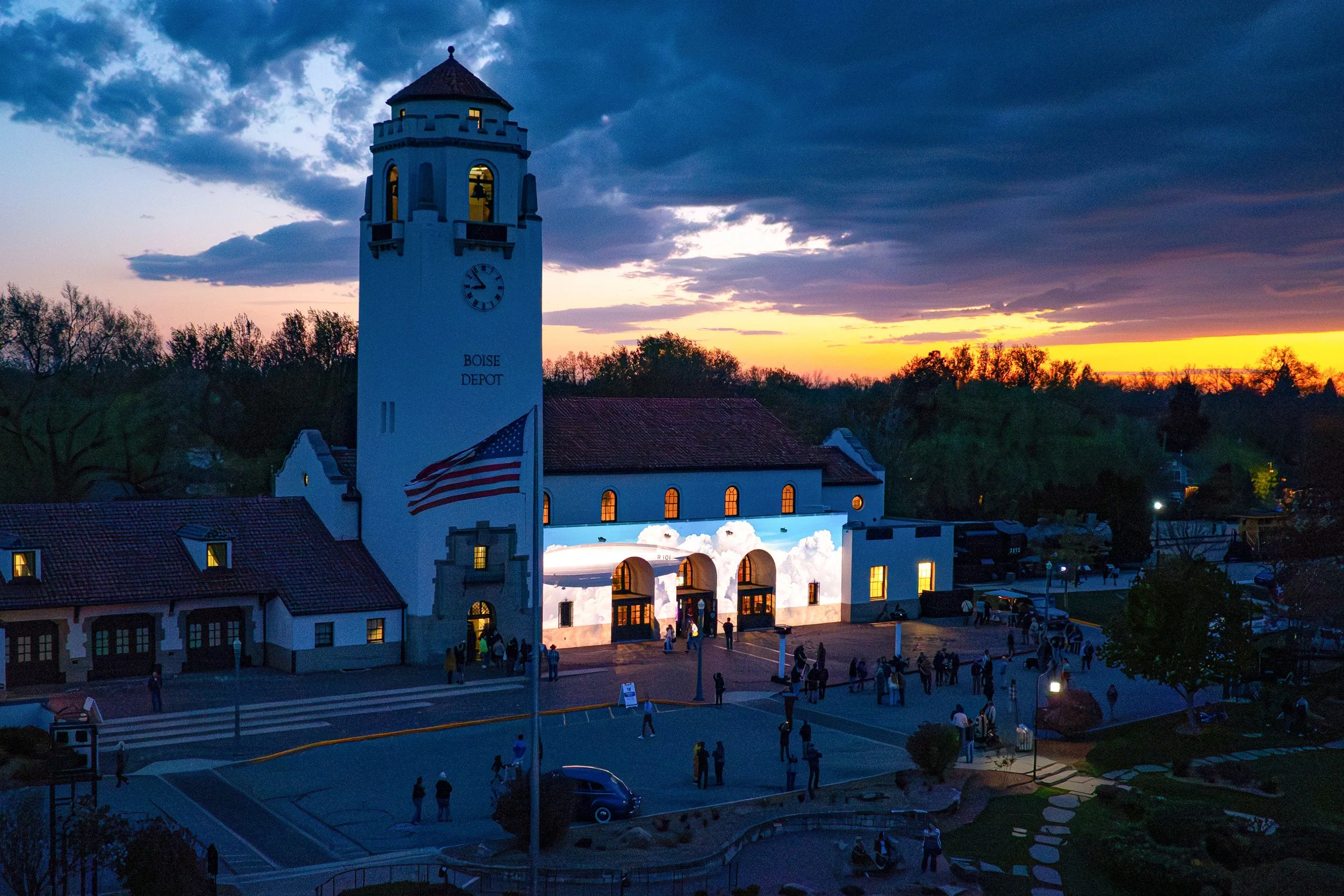
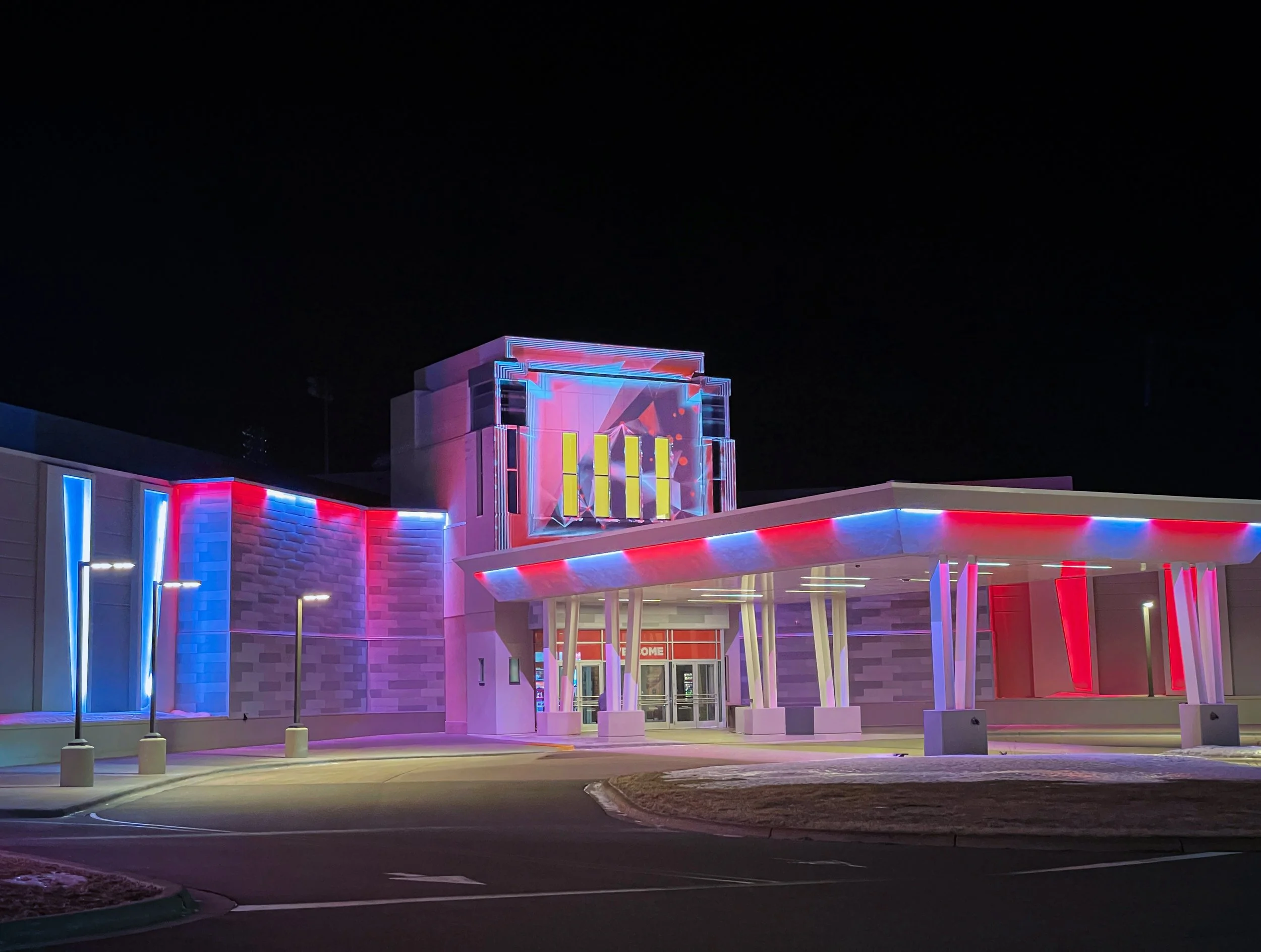
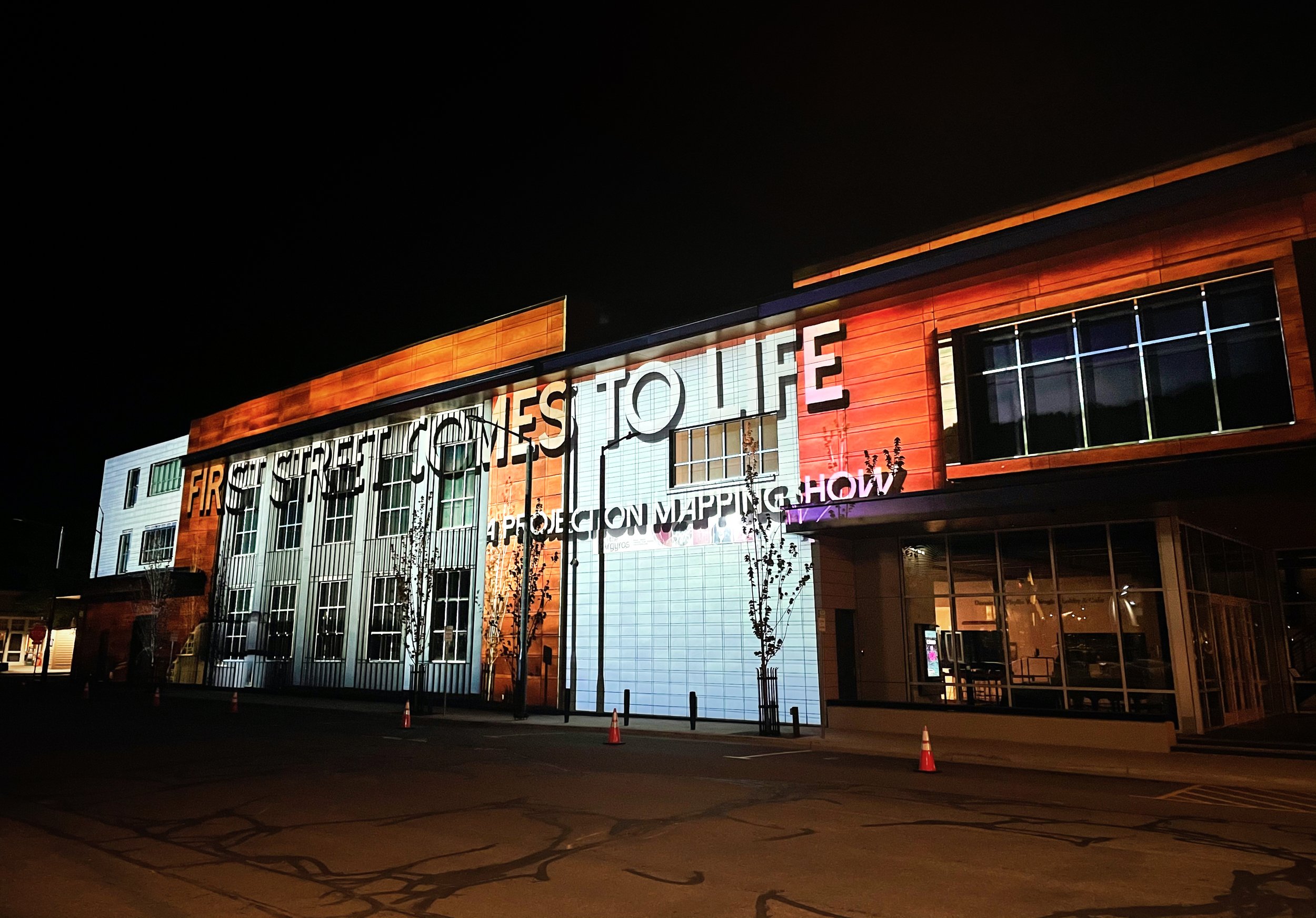
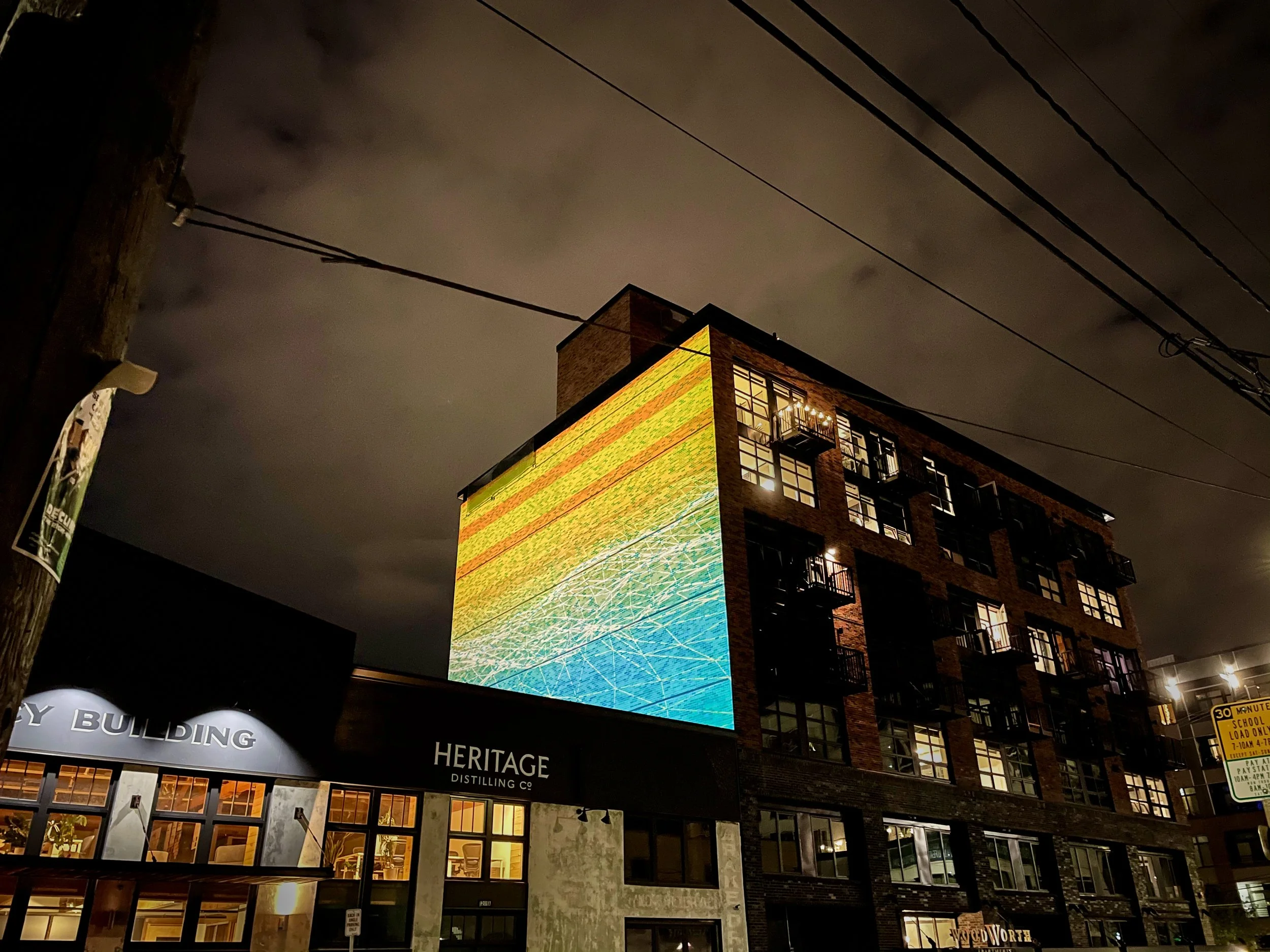
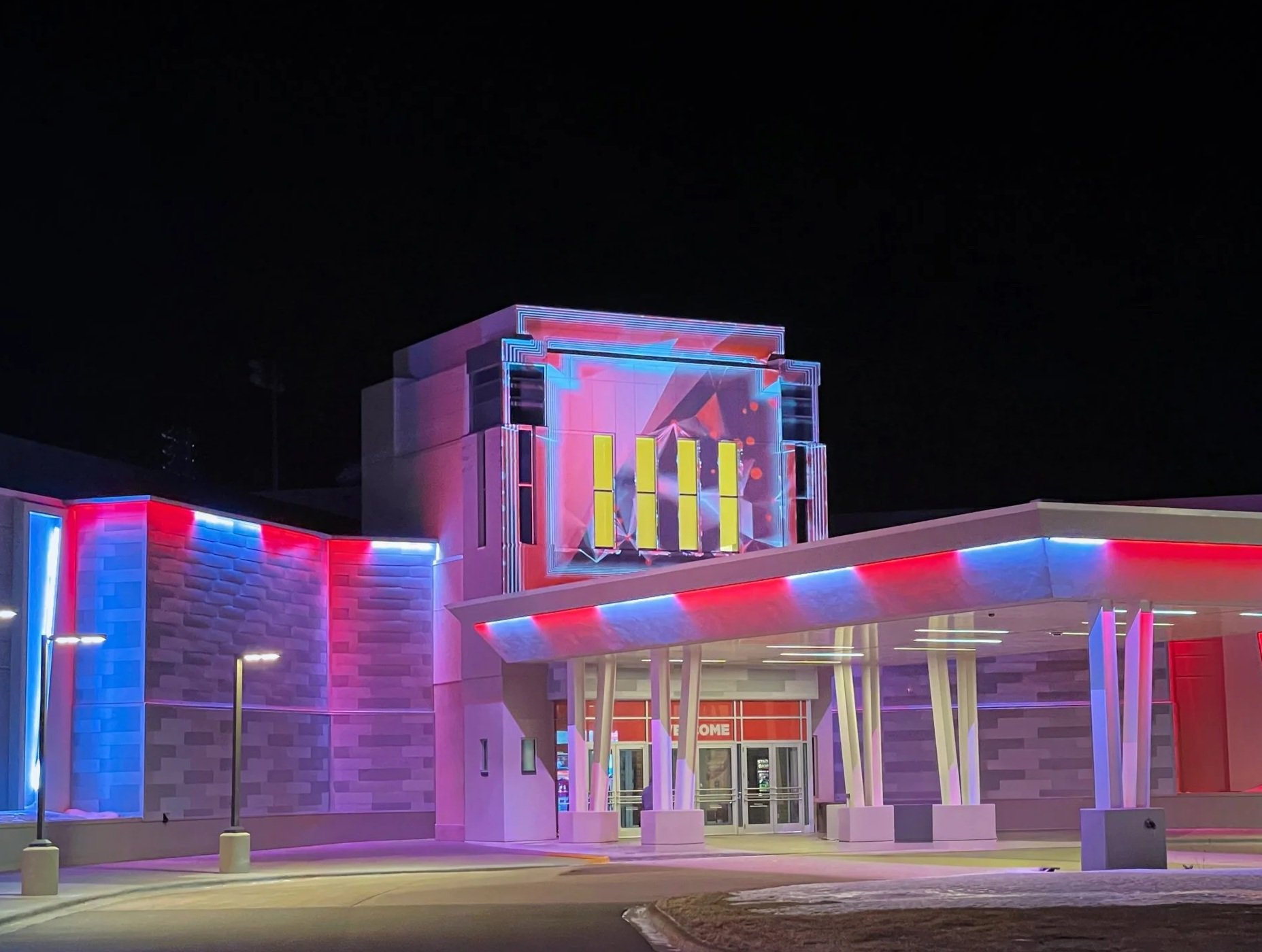
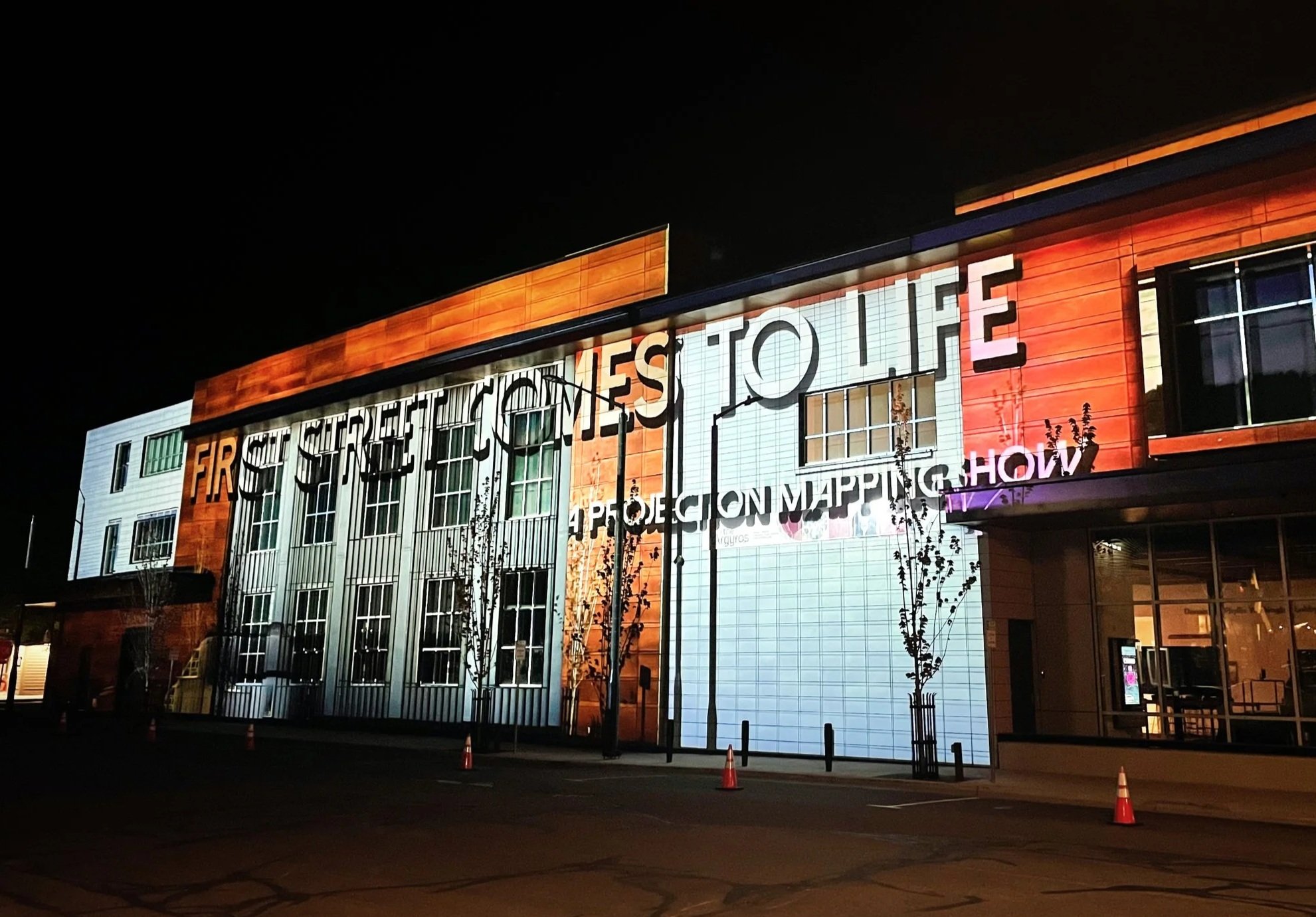
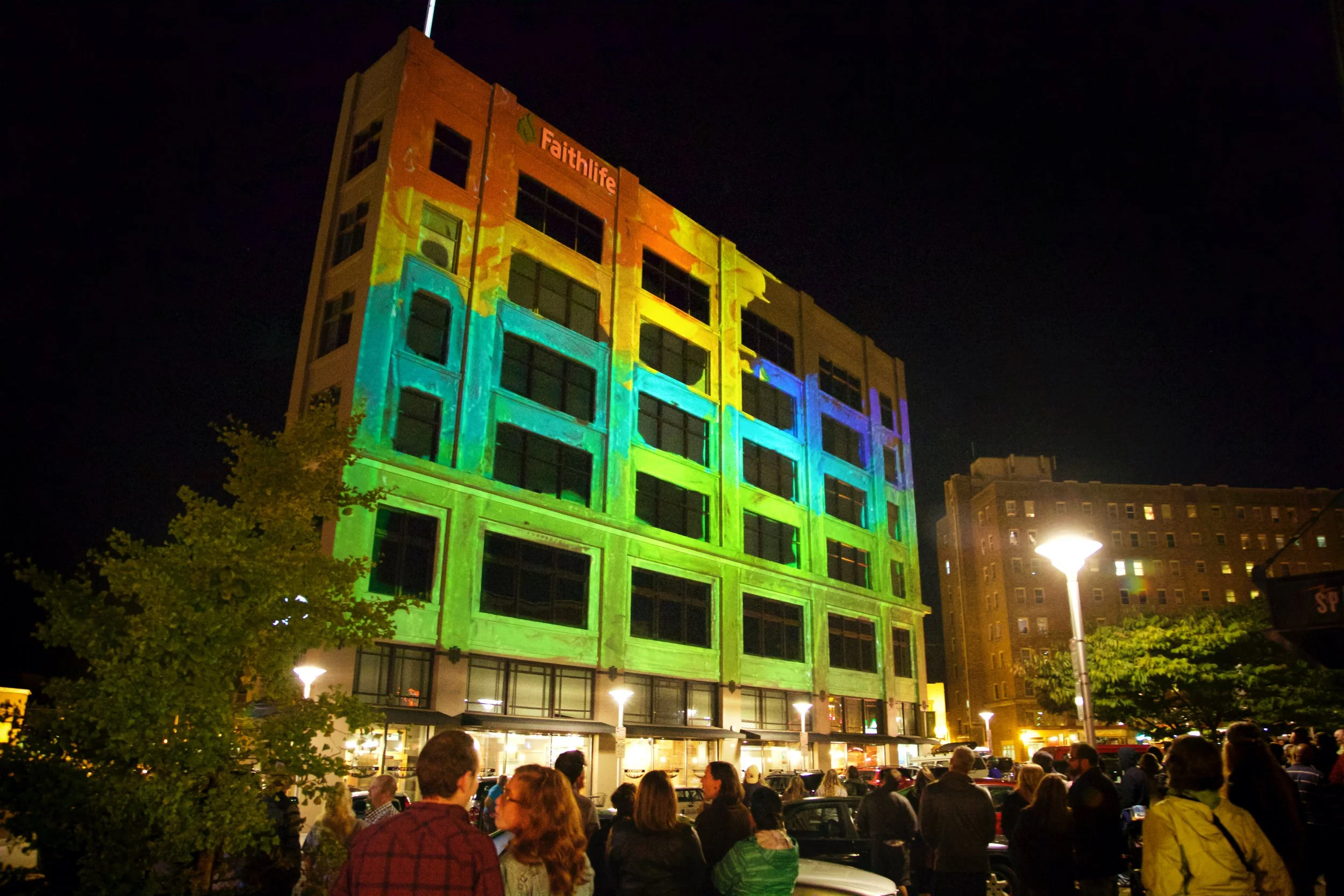
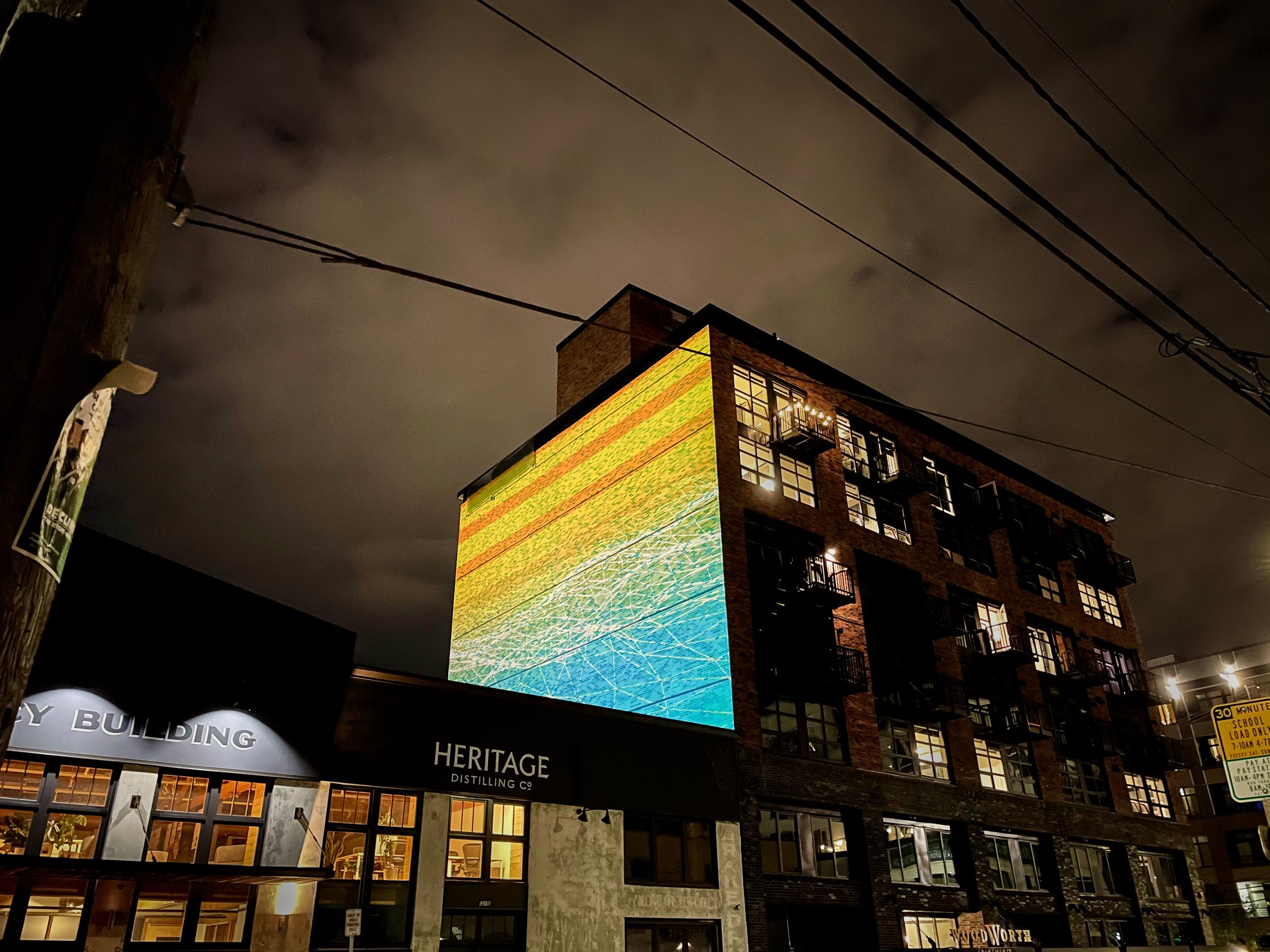
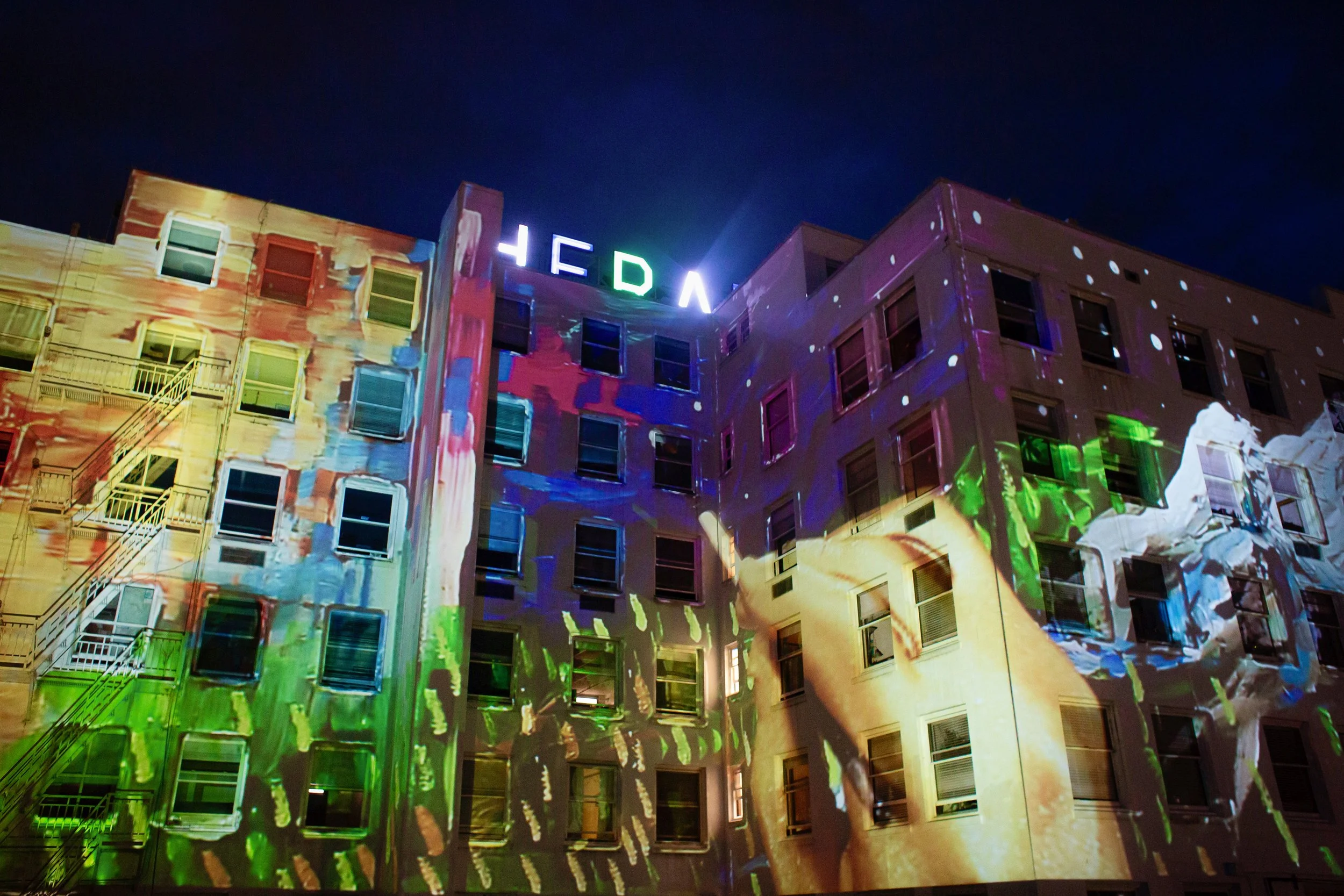
Nothing is seen without light. NOVA takes that further, turning a building into an animated mural after dark. A full facade the street stops to watch.
Few formats pull a crowd like this. A lit building on a dark night is a rare public event, let alone one alive with color, particles, and flowers. A feat no ordinary screen can attempt.
People stop. They stay. They share it with anyone who walks by. They remember it long after the next sun comes up.
creative
Custom visuals shaped by the building itself.
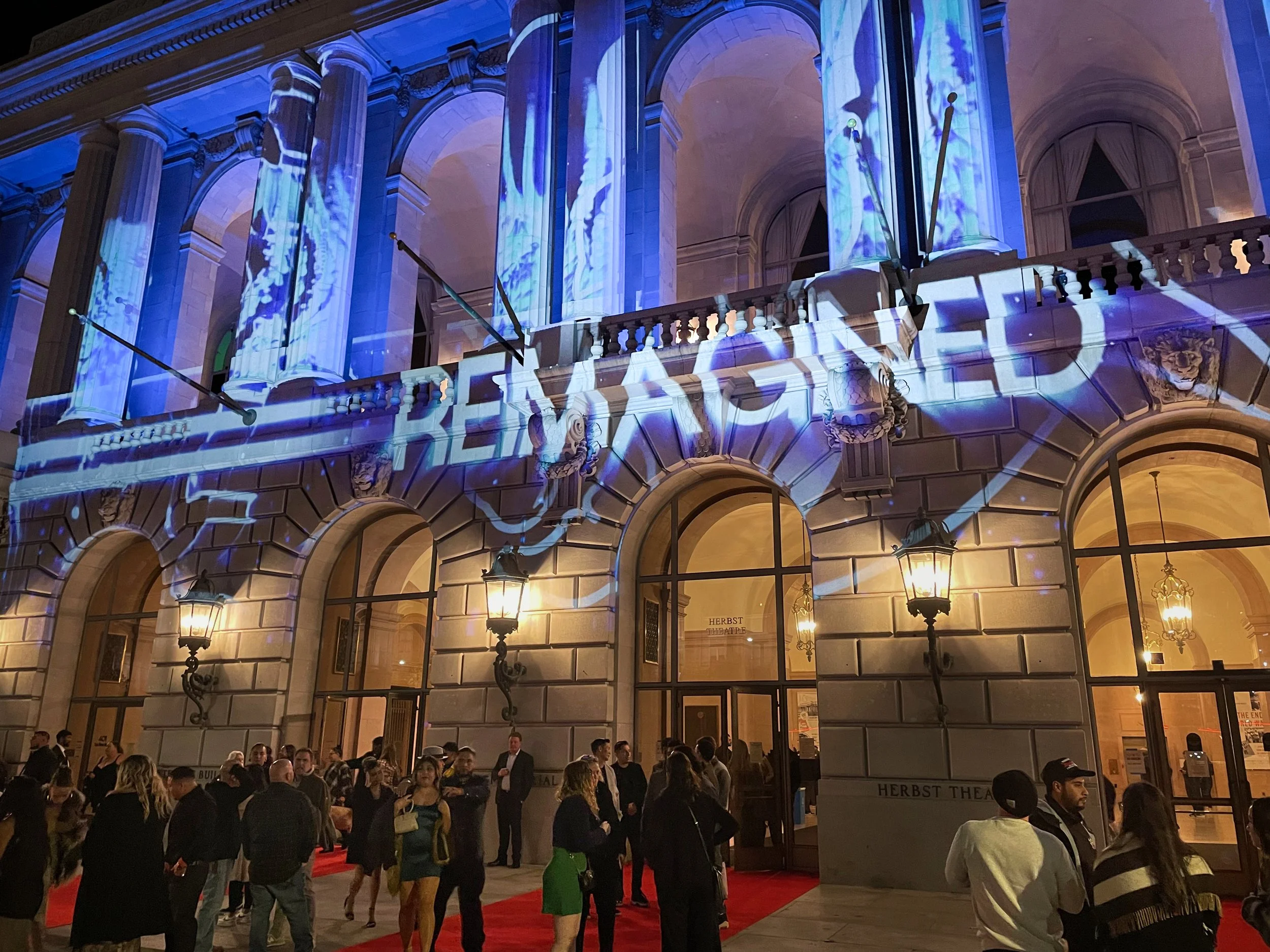
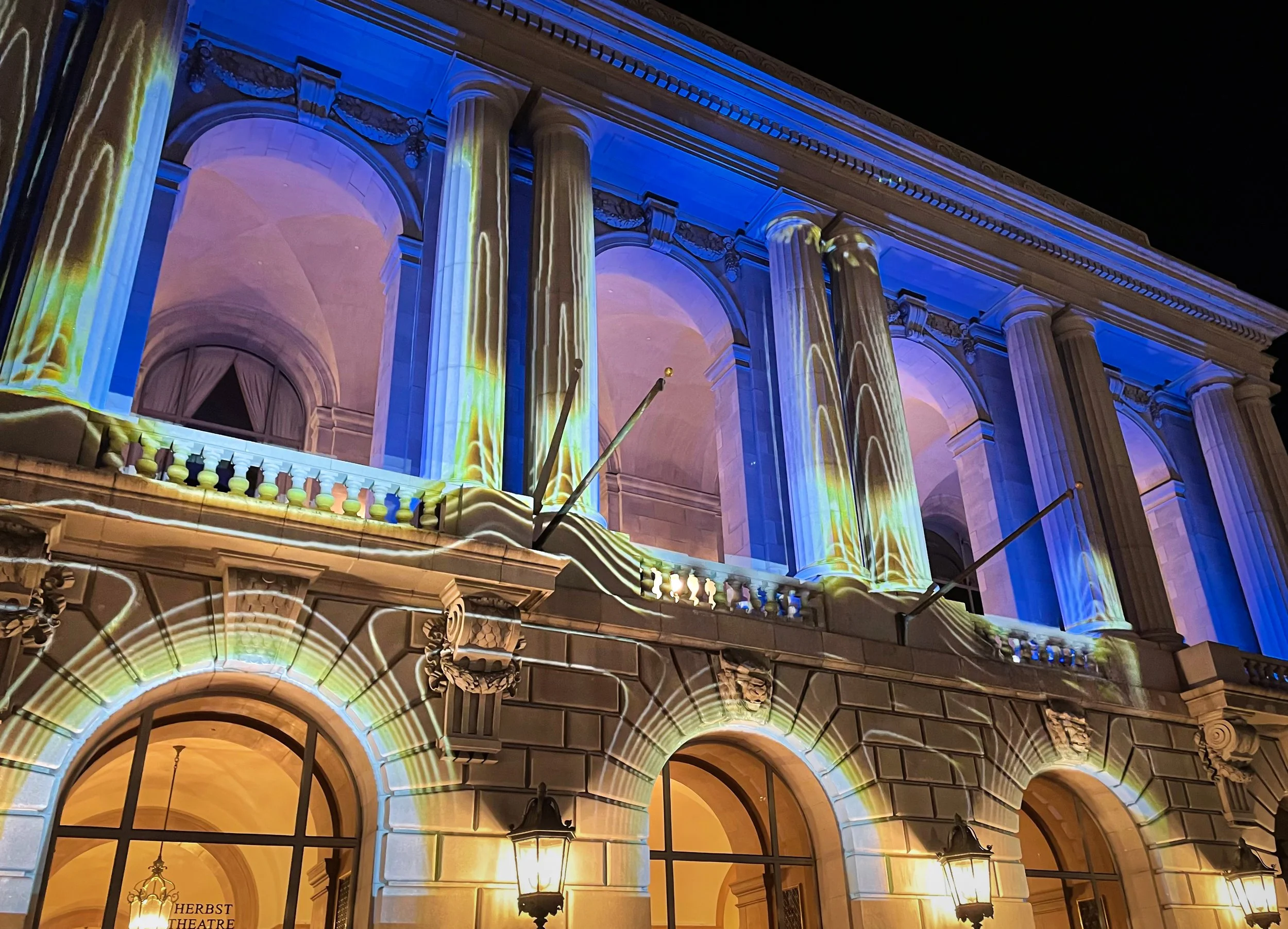
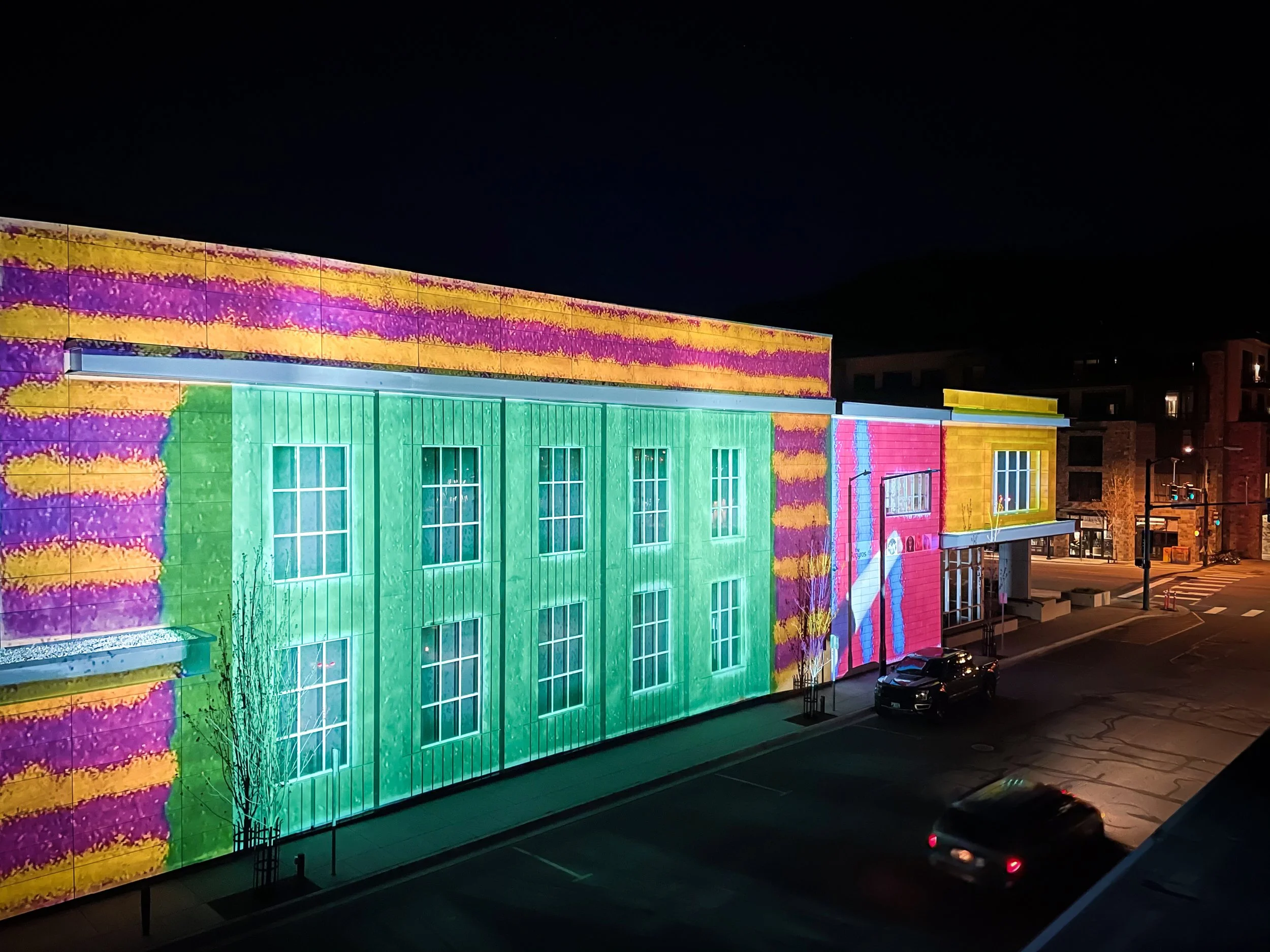
The building sets the rules. Windows, cornices, ledges, doorways, every edge a mark to hit. The constraint is the gift, and the mapping is the magic. Those hard outlines are exactly what give the work its form.
From there, anything. Flowers climb from a window. A waterfall breaks through the front door. A whole facade becomes a palace of neon lights.
Any look imagined, NOVA makes real.
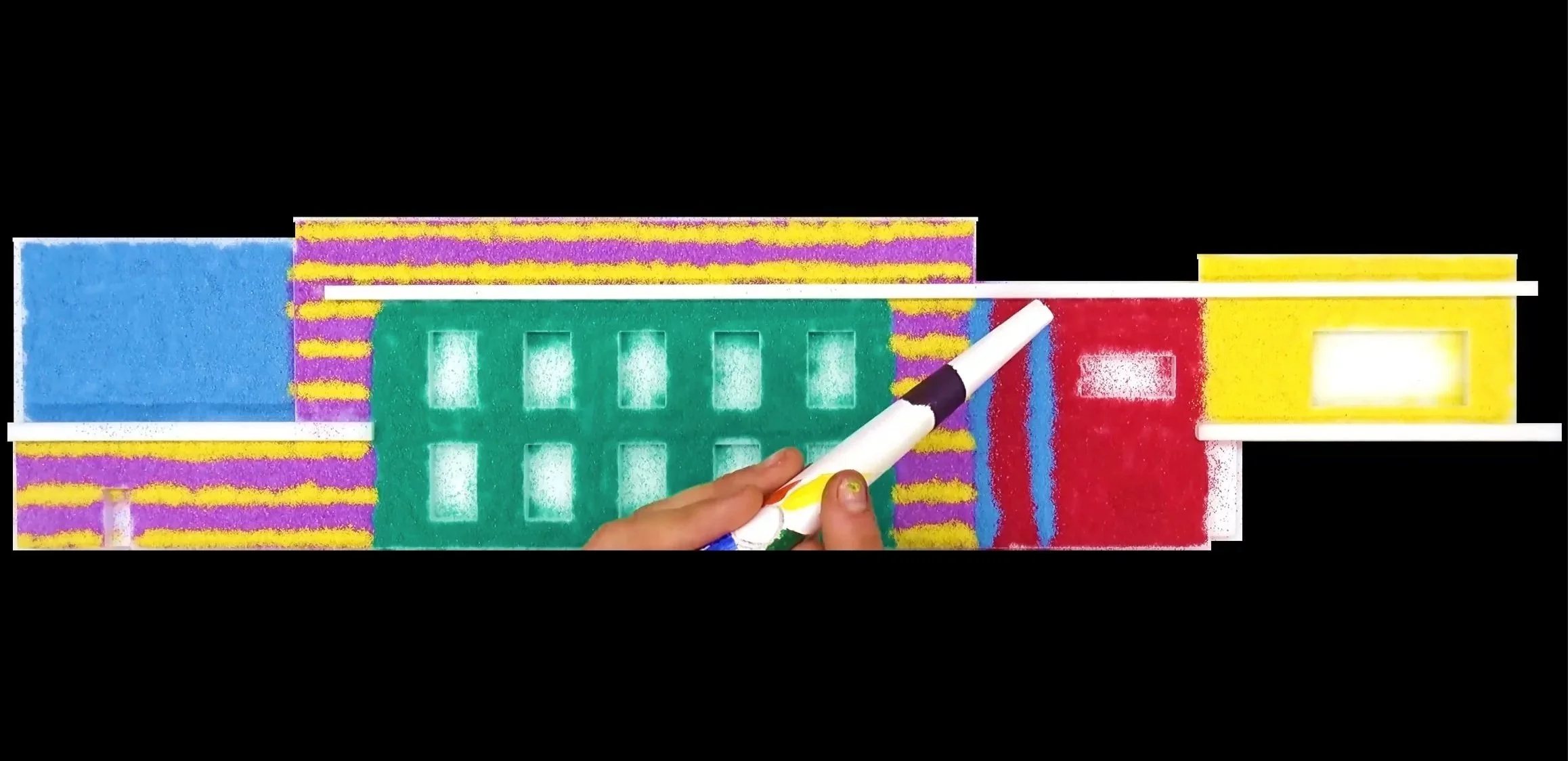
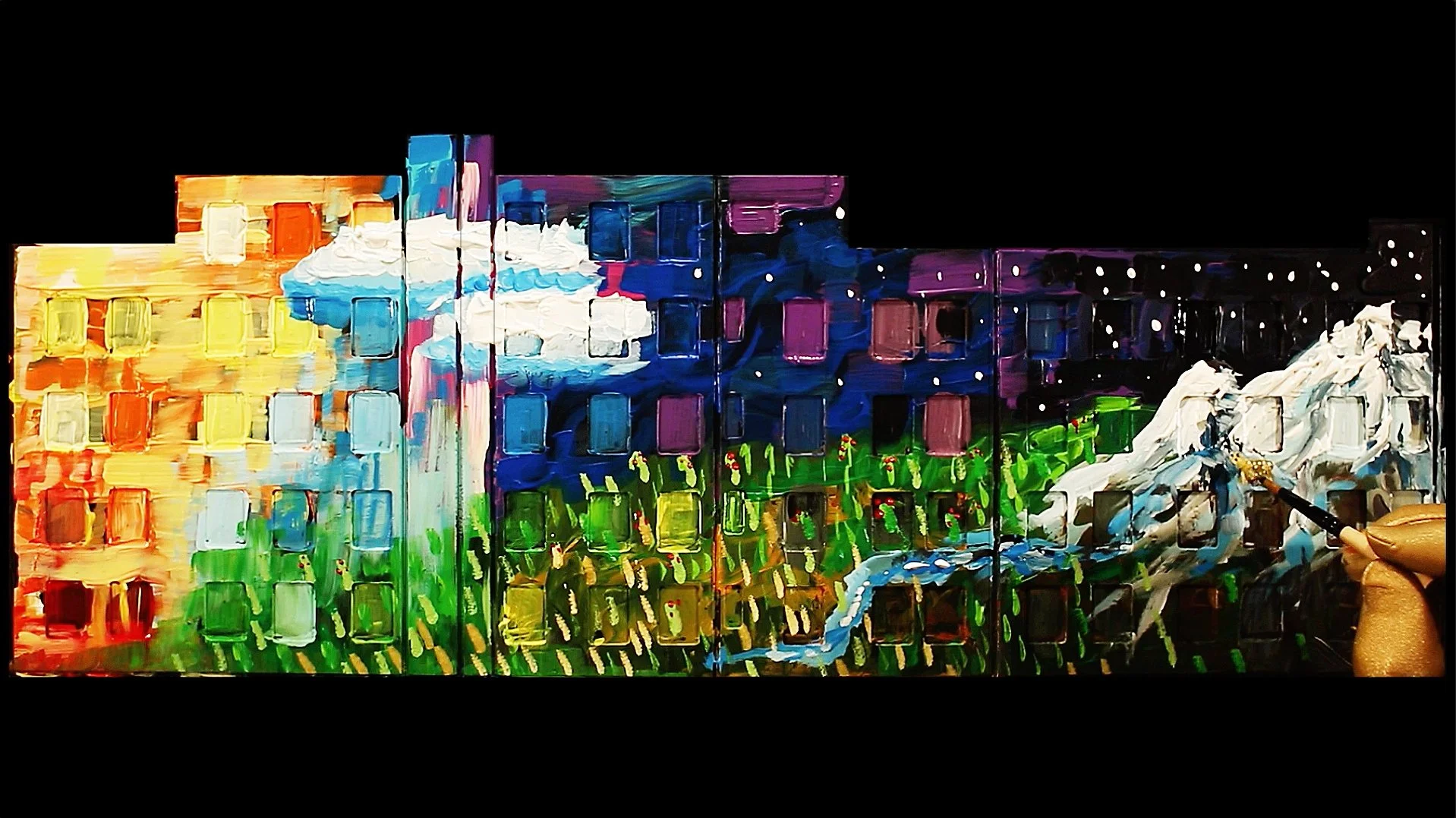
One pioneering method goes slower and stranger. A scale model of the facade, cut in laser board and painted from above in stop motion. Mapped back to the building, a 3 story hand appears to paint it in the sky. Handmade, high tech, larger than life.
production
System design for architectural projection.
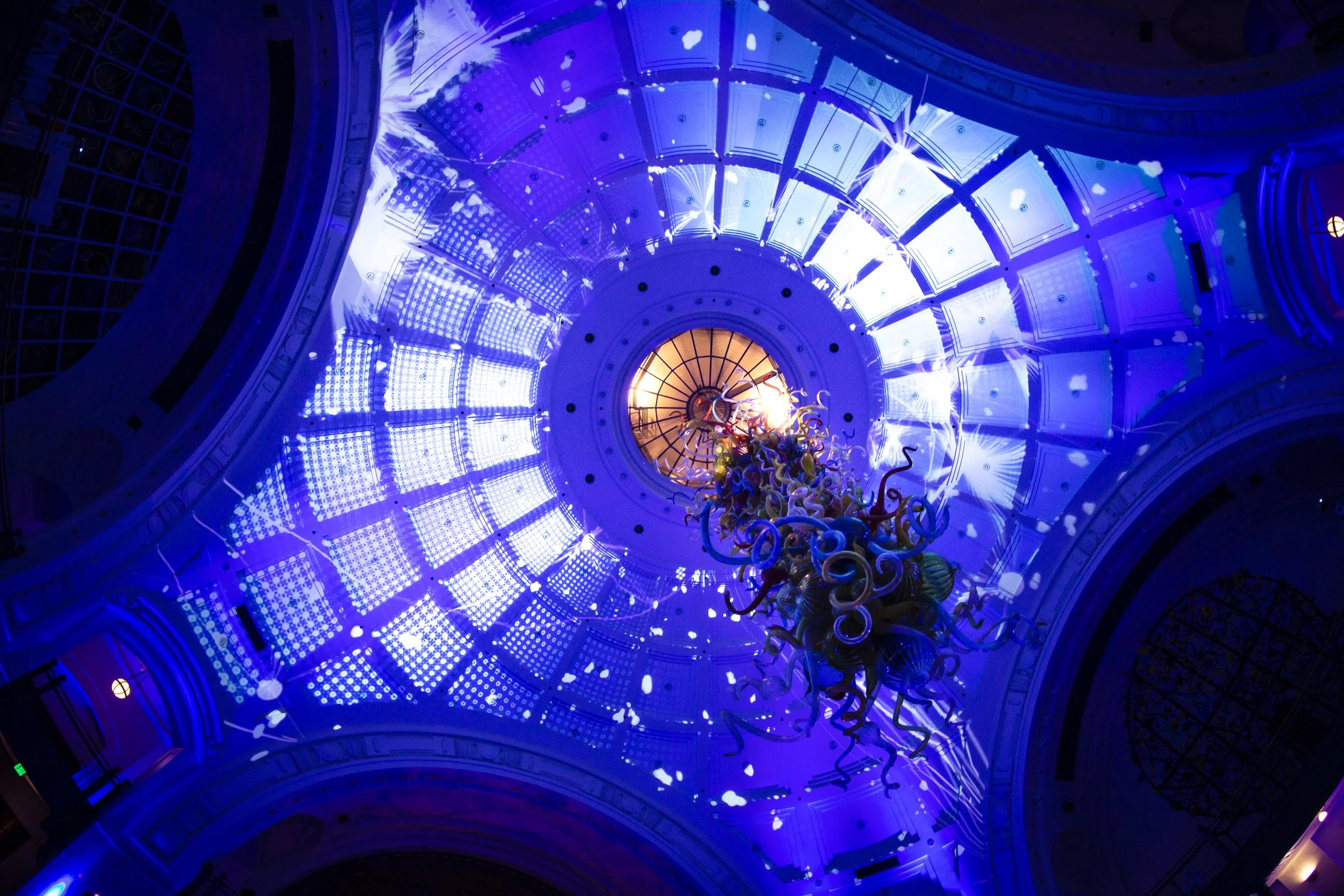
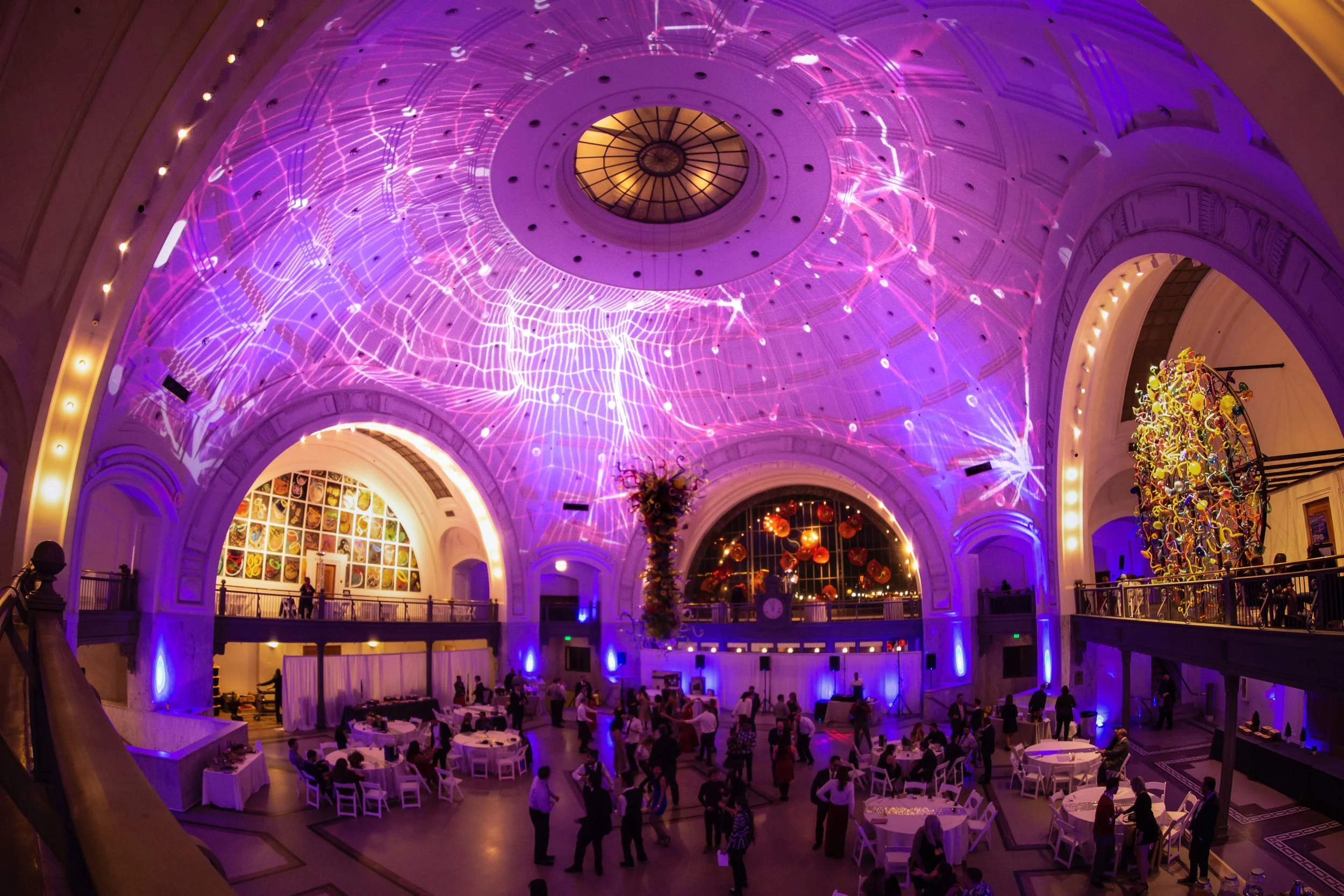
Architecture spans interior and exterior alike, from the inside of Union Station to the face of MoMA. One rule holds across them all. Projected light needs a pale base, so white and light walls read best. Brick, sandstone, and painted murals all map well. True black, mirrors, and open glass do not, since the light finds nothing to hold.
Interiors are pristine. The light stays controlled and the weather stays outside. Some of the richest canvases are ornate, high ceilinged interiors.
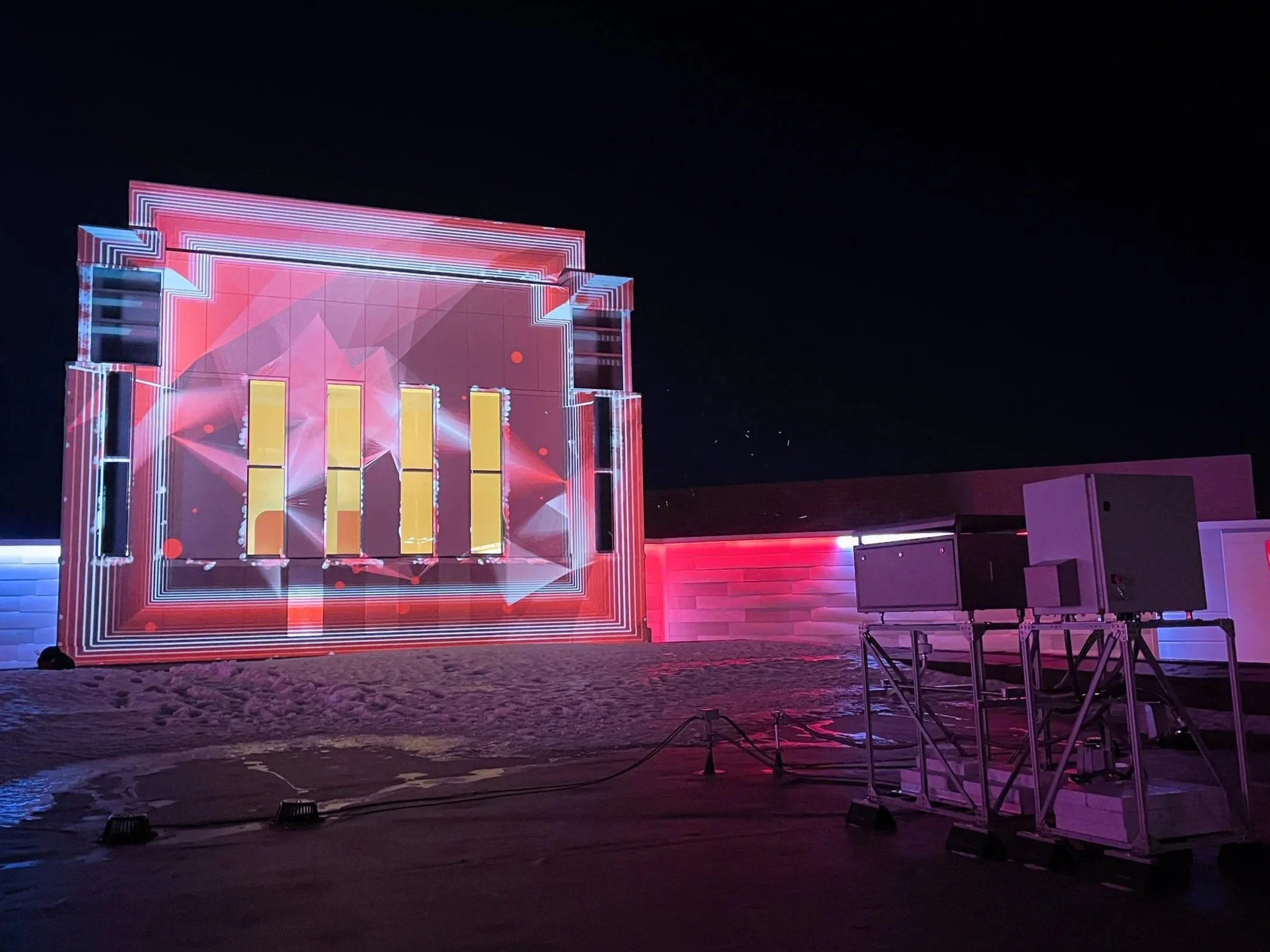
Exterior adds variables. The rain, the sun, the seagulls. Street lights, window spill, even a bright moon compete with the projection. NOVA plans for all of it.
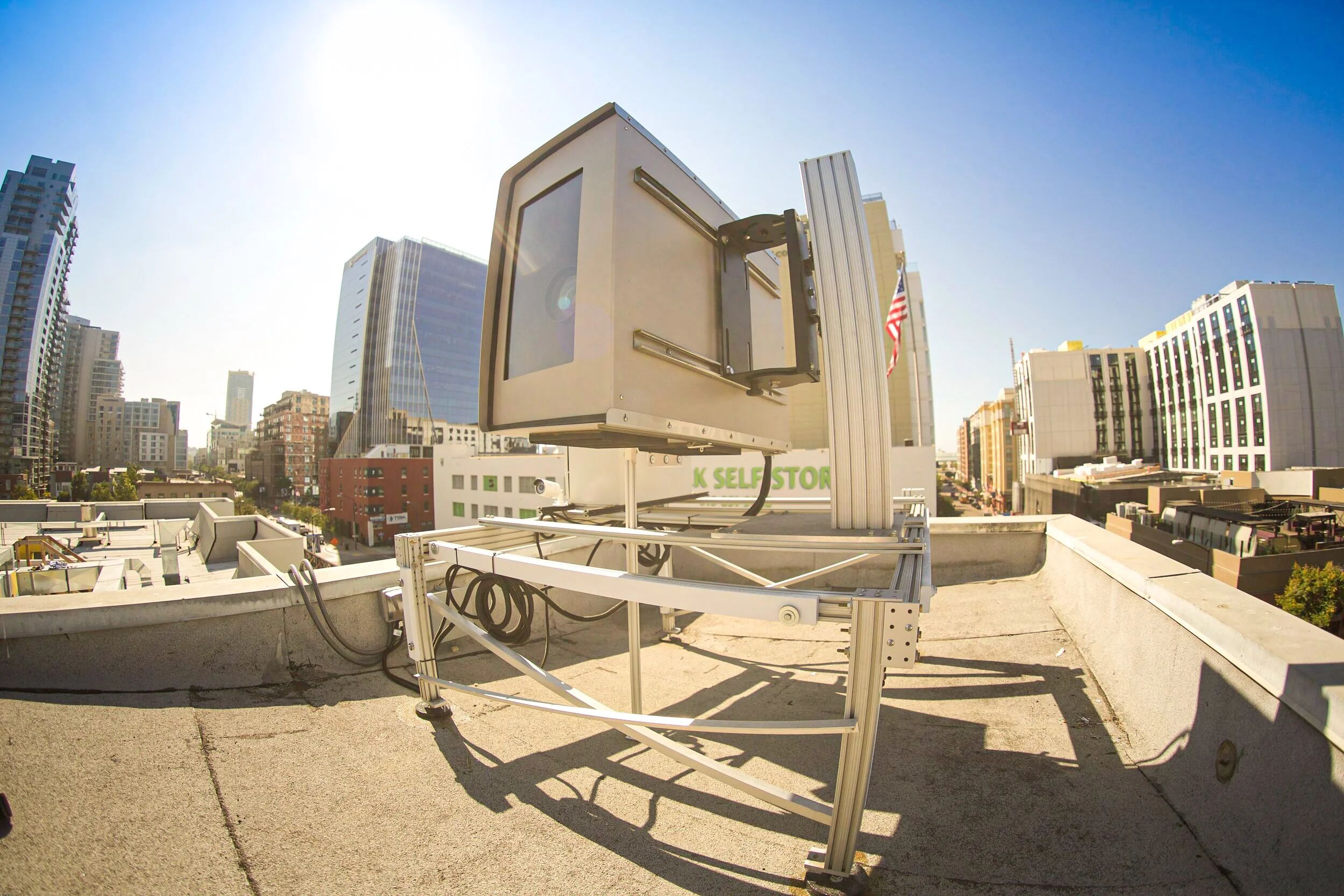
This is not an overhead projector and a stack of slides. 5 projectors, 15, sometimes 30, all high lumen, all mapped as 1. That scale demands precise 3D models, site prep, and calibration before the evening, so every angle is solved before guest 1 arrives.
Architecture also suits permanent installation, where NOVA works as the system architect. The studio designs the system, specifies every component, oversees activation, and delivers the documentation and training that keep the light burning for the ages.
trusted by



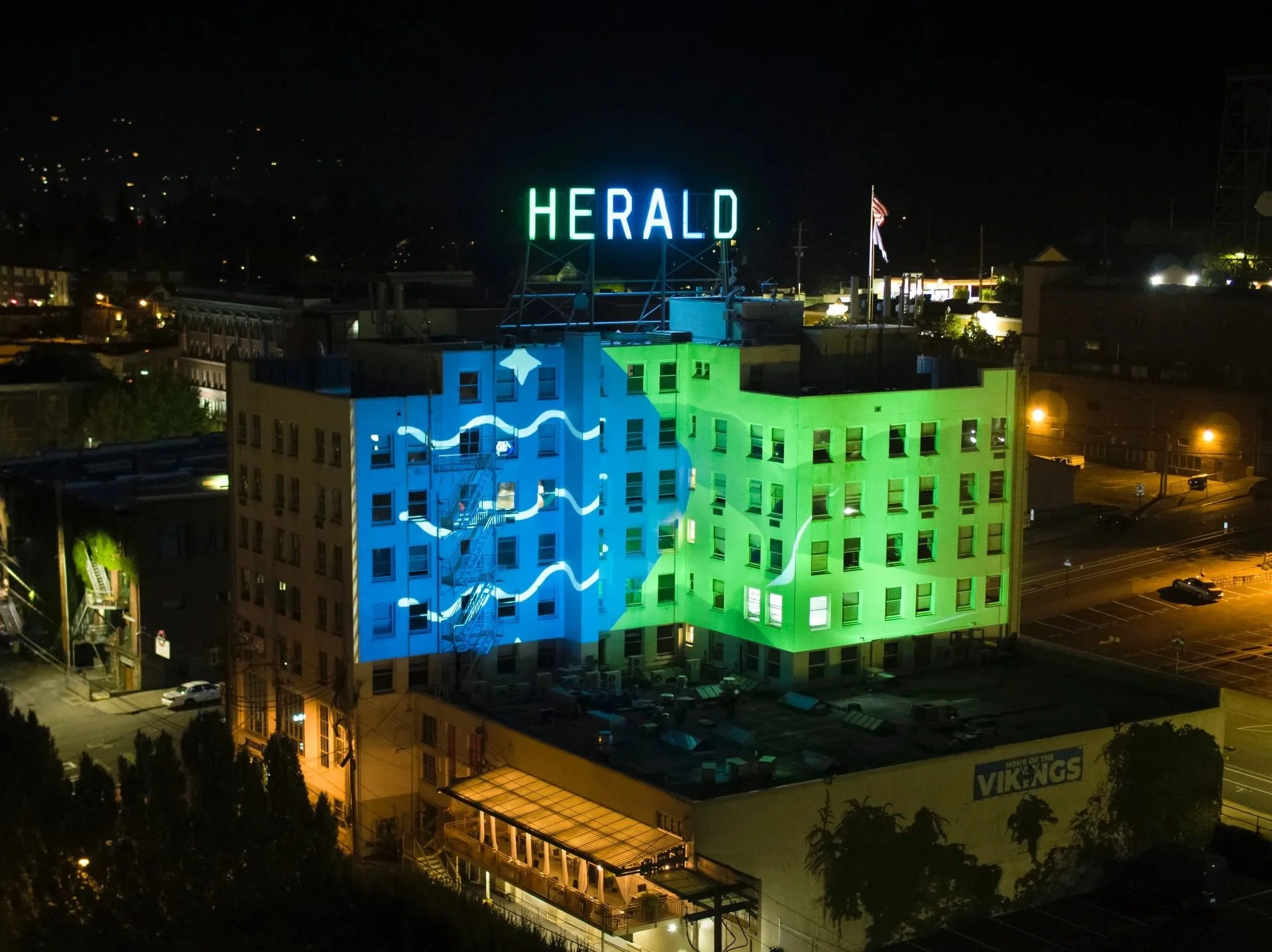
"We have a thriving arts community here in Bellingham and it’s always been important for our company to help contribute to the arts in whatever way we can."
Kane H.
Former Owner
Daylight Properties
The Herald
FAQ
-
It waits for dark.
Daylight overpowers any projector, so an exterior show begins around sunset, once the sun leaves the wall, and runs as late as the night needs.
-
No. Exterior facades are the common canvas, but ornate interiors map just as well.
A vaulted station hall or a grand lobby is ideal for architectural projection mapping.
-
Pale and matte. Projected light needs a light base to read against, so white and light walls are ideal, and brick, sandstone, and painted murals all map well.
True black, mirrors, and open glass give the light nothing to catch. Windows can be blocked or treated when needed.
-
Either. NOVA lights a building for a single night as a live event, and designs permanent installations that run for years.
The craft is the same. The timeline sets the rest.
-
Yes, on permanent projection mapping systems designed by NOVA Light Labs new visual content can be added as needed.
-
No. Permanent systems are automated and managed remotely. Nobody climbs up to hit a power button, and new content does not travel up on a USB drive.
Scheduling, playback, and updates are handled from the ground.
-
Architectural projection mapping is a serious investment, and it reads as one.
A live event on a building facade typically lands between $20,000 and $150,000 for a single night.
A permanent installation sits well above that, since it is built to last for years. Most begin near $75,000 and rise to $500,000, with landmark builds well beyond.
The investment scales with the size of the surface, the complexity of the build, and the ambition of the content.