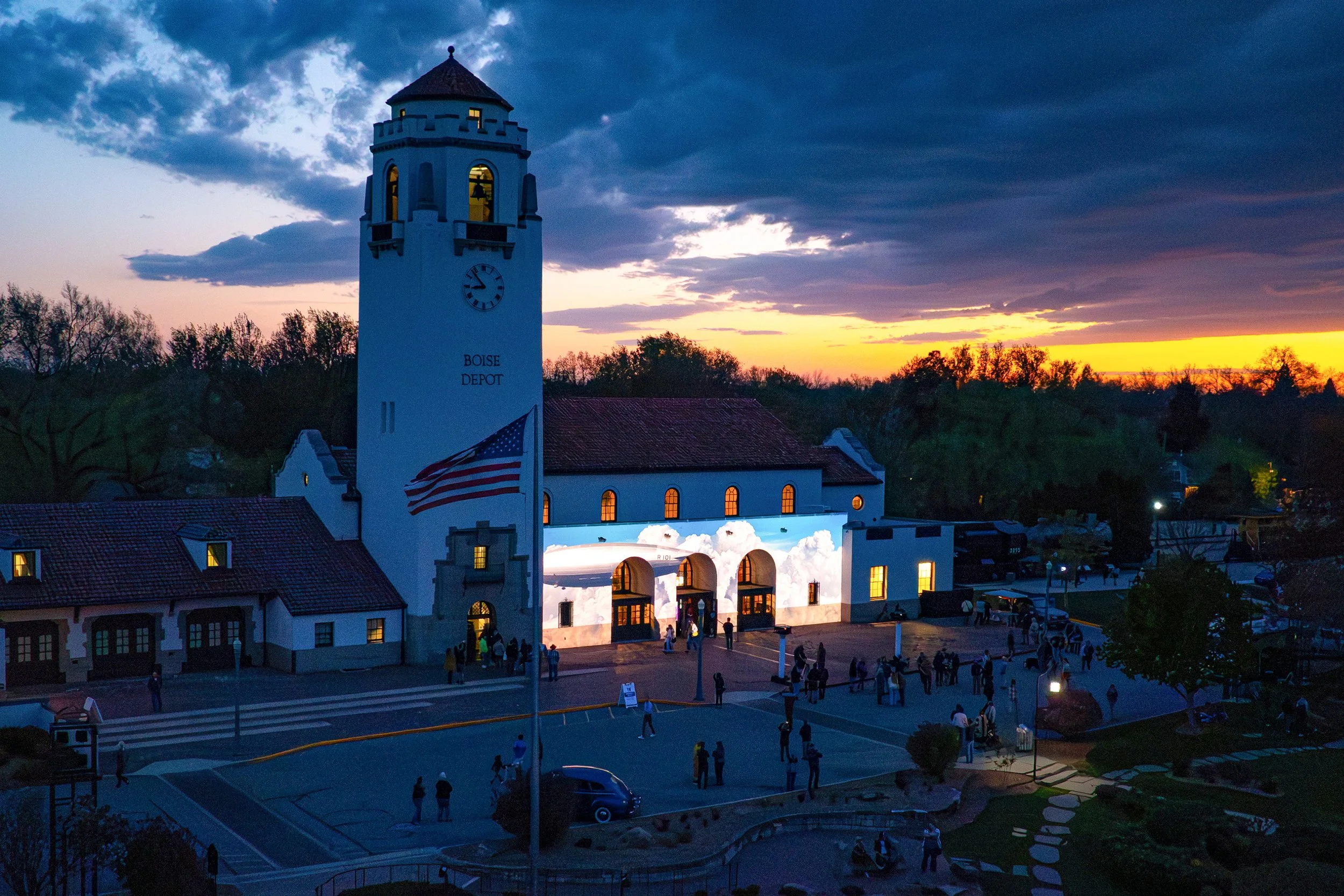
Boise Depot 100th Anniversary
A celebration of civic history with a vision for the future, visible for miles.
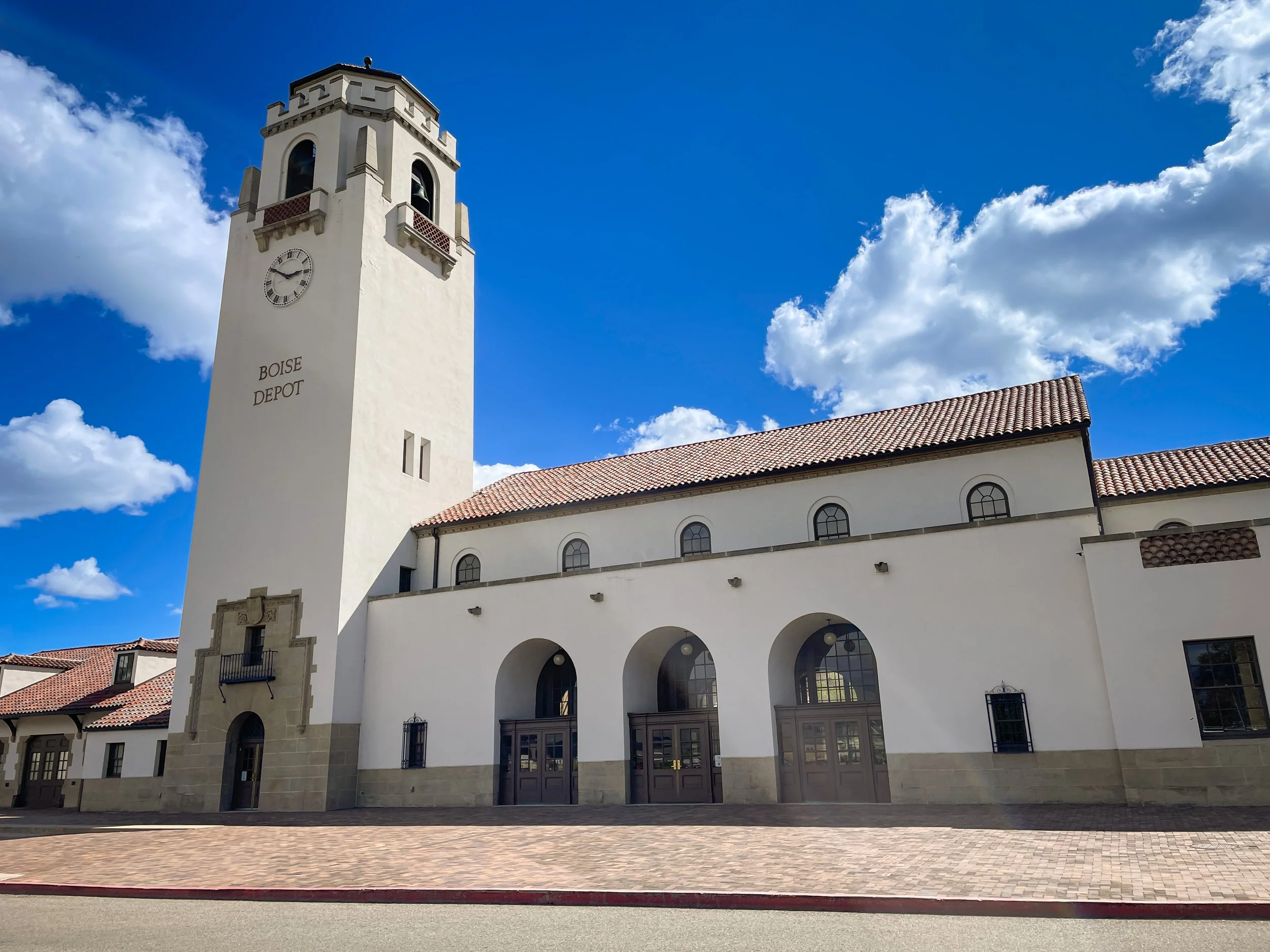
For the 100th anniversary of the iconic Boise Depot, the Boise City Department of Arts & History set out to elevate the celebration to the highest level.
NOVA Light Labs answered by identifying the depot's most striking architecture and transforming it through projection mapping.
For 1 week NOVA worked alongside Boise artists Annika Kalac and Will Miller, turning a landmark for the ages into a visual experience open to all.
experience
A century old landmark, lit for the whole city to gather beneath.
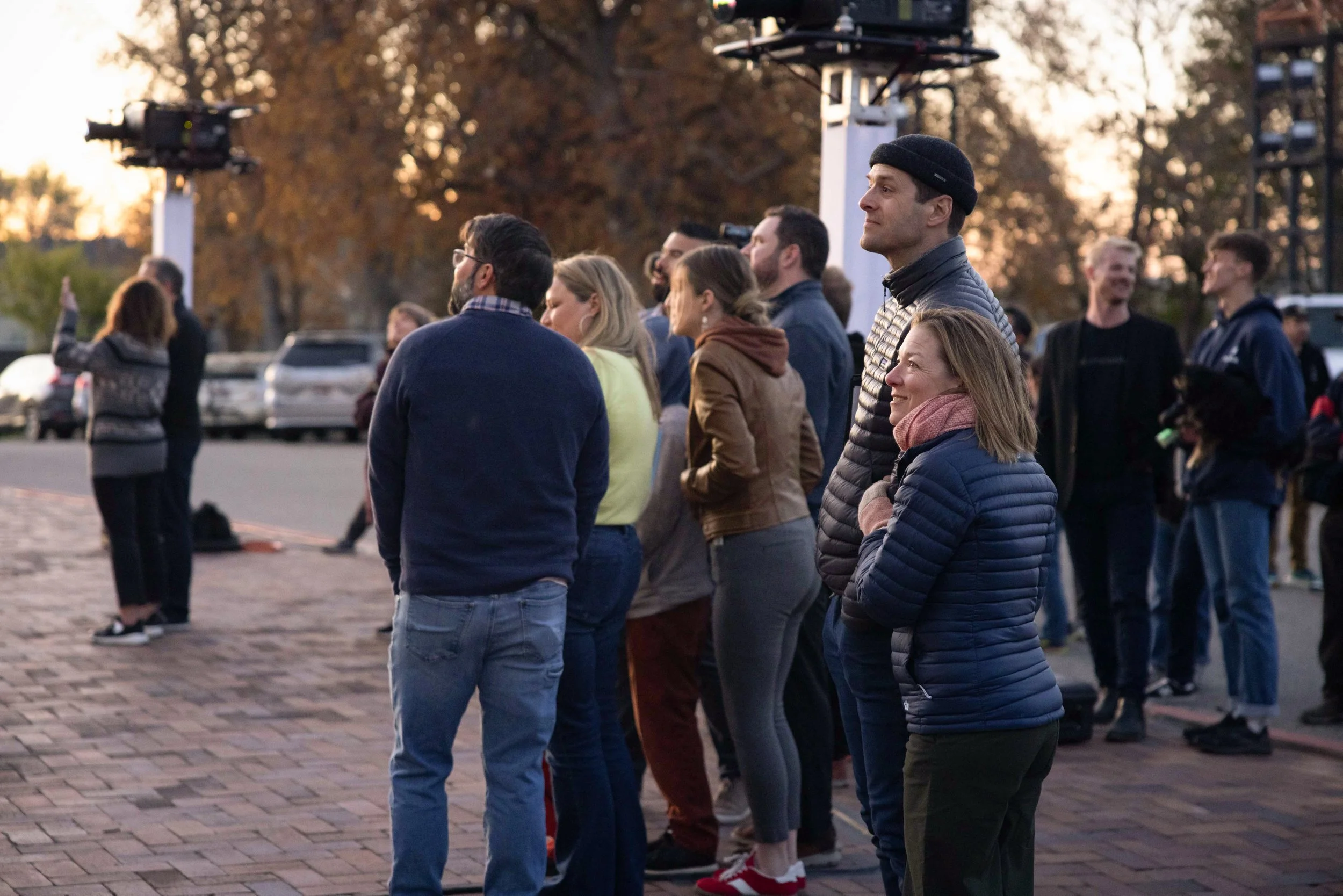
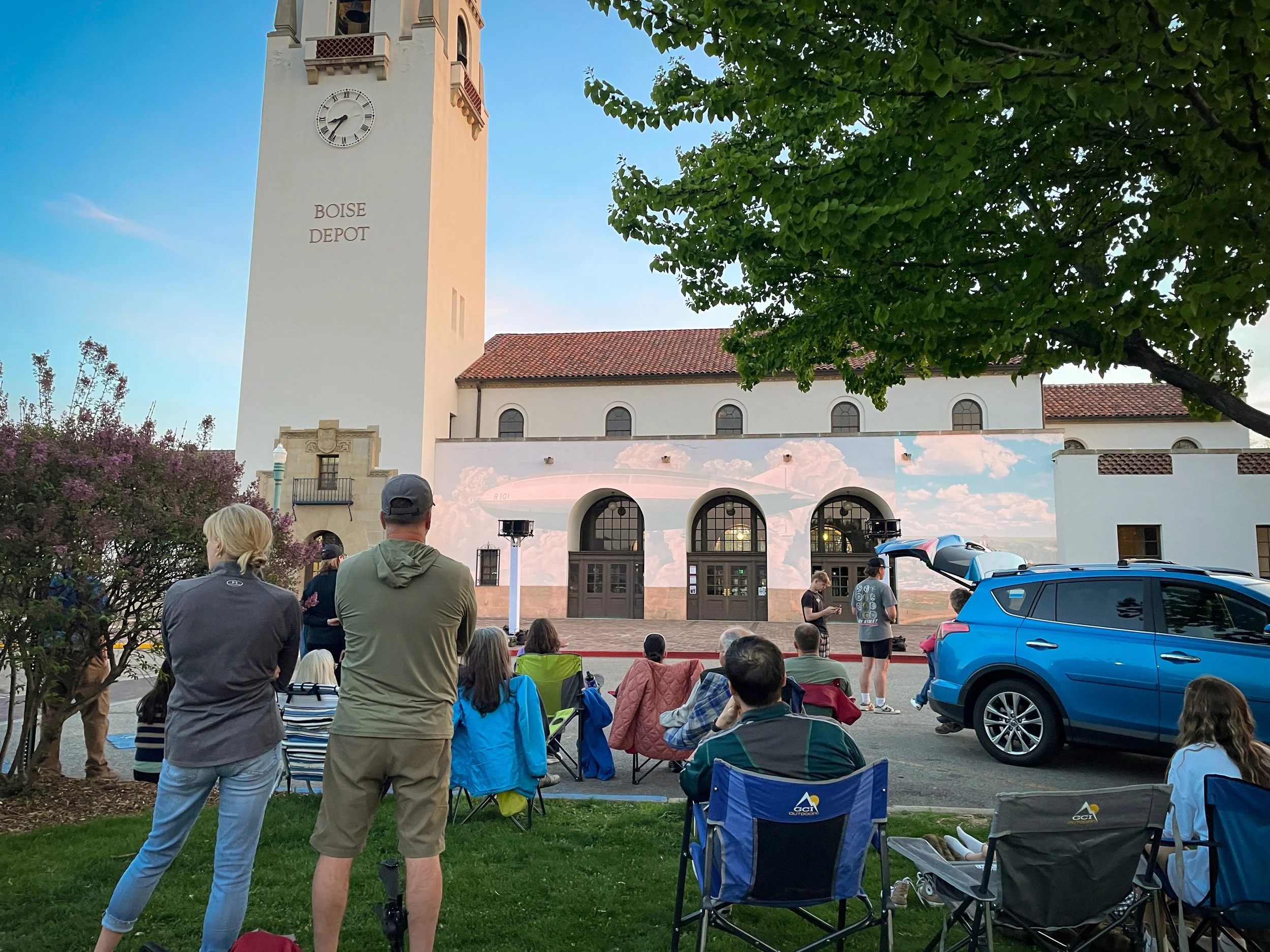
As night fell, crowds filled the depot lawn and plaza. Families spread across the grass, neighbors settled into chairs, and a building Boise had walked past for generations became the thing everyone came to see.
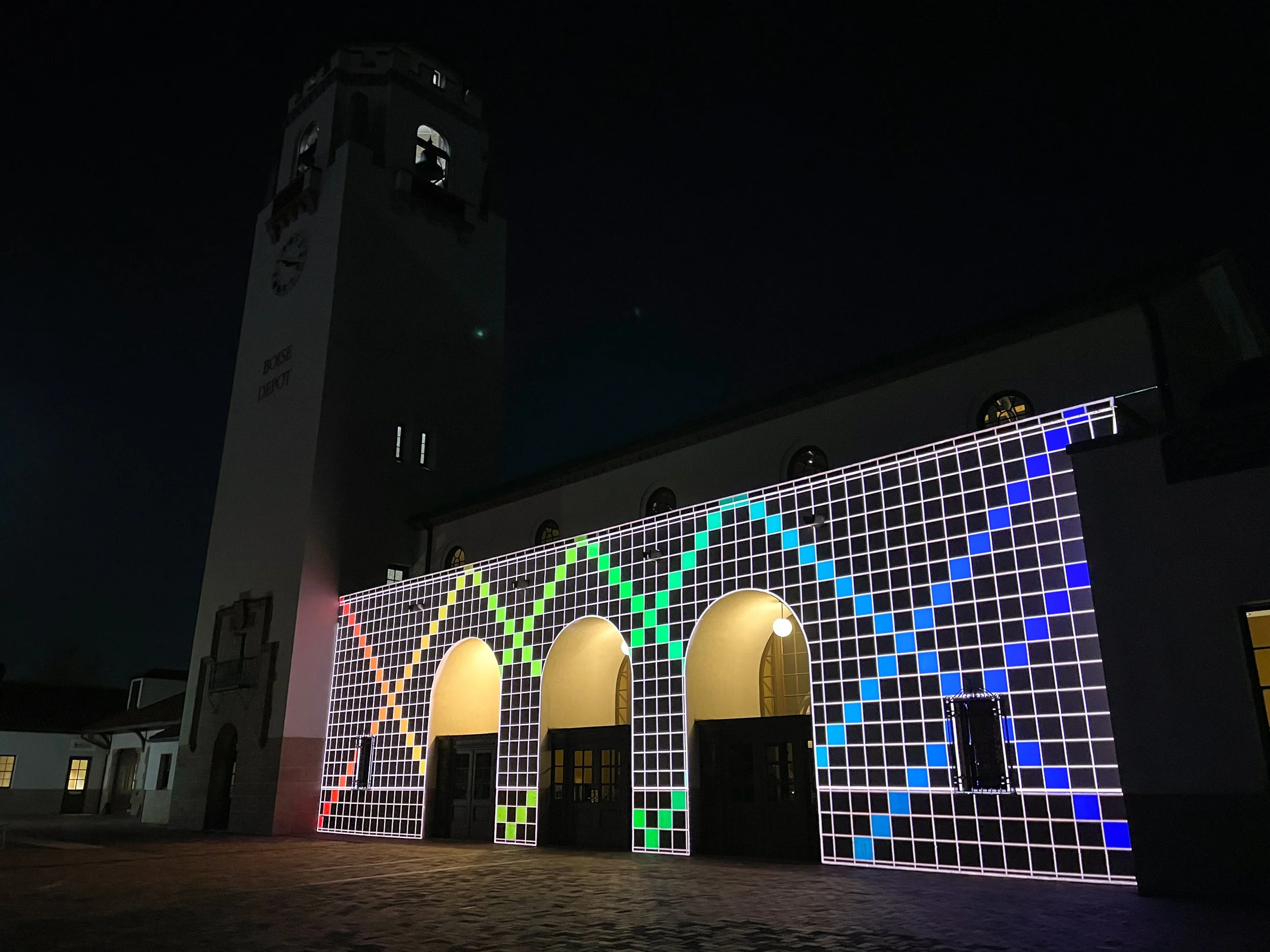
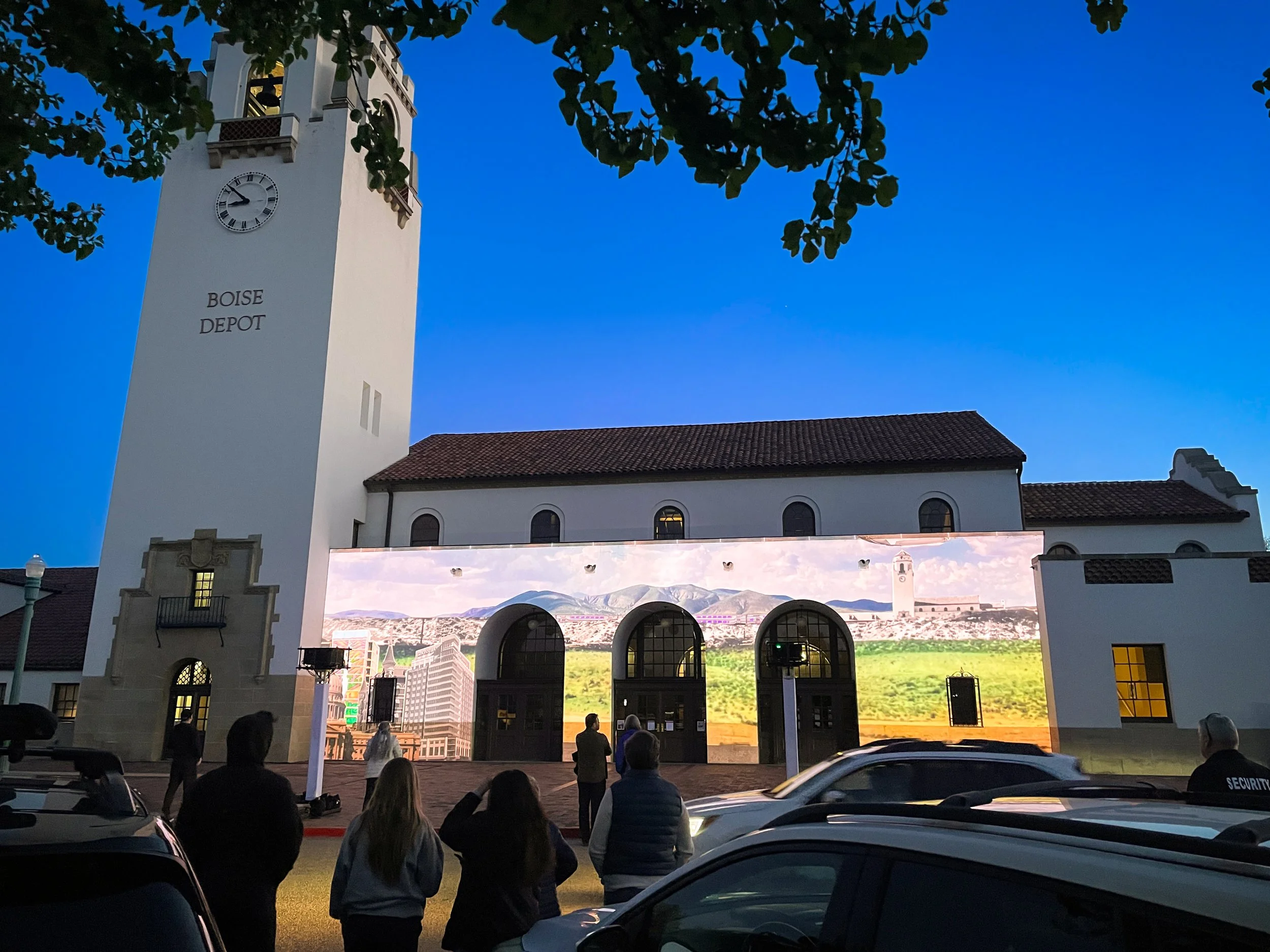
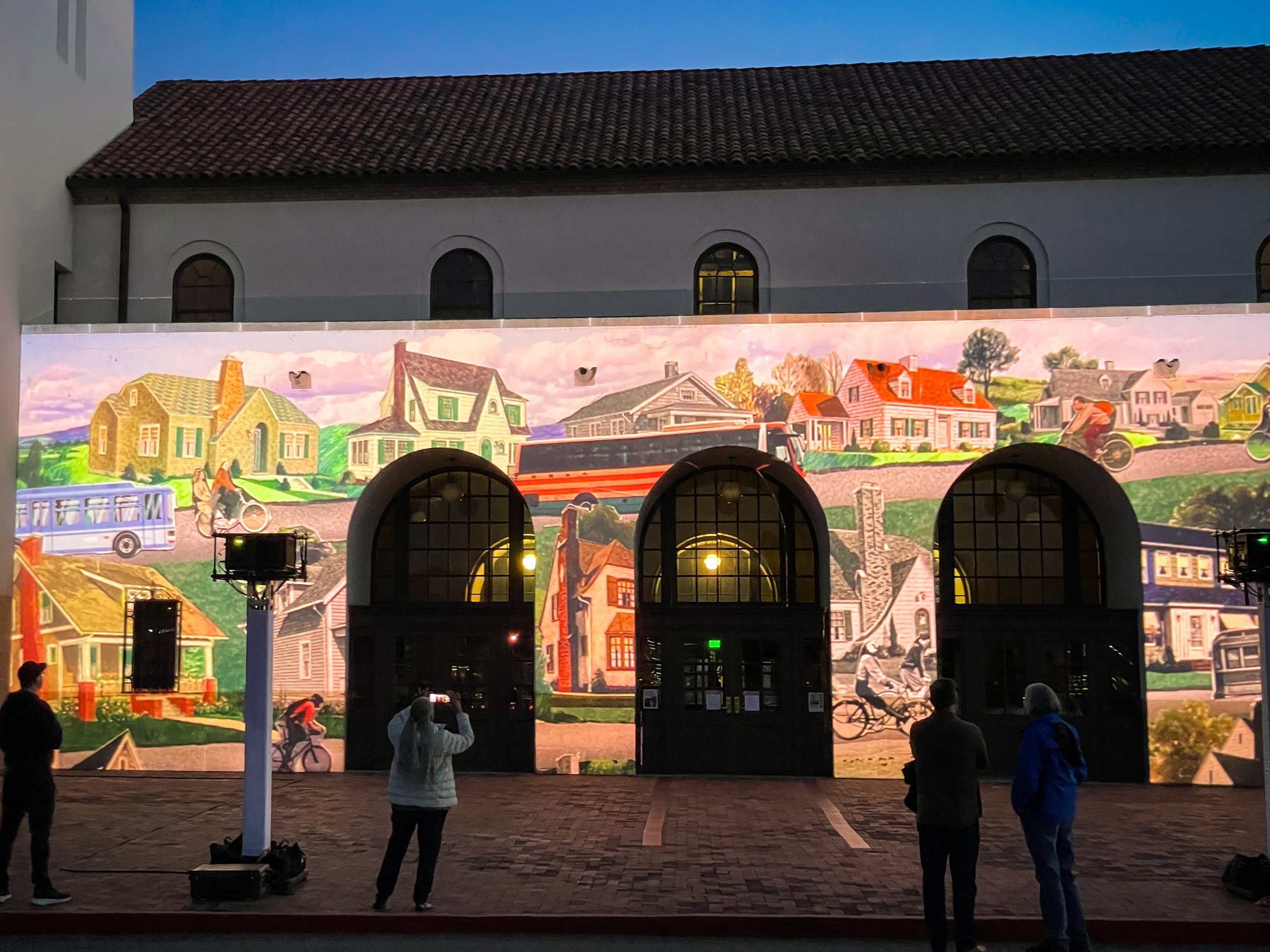
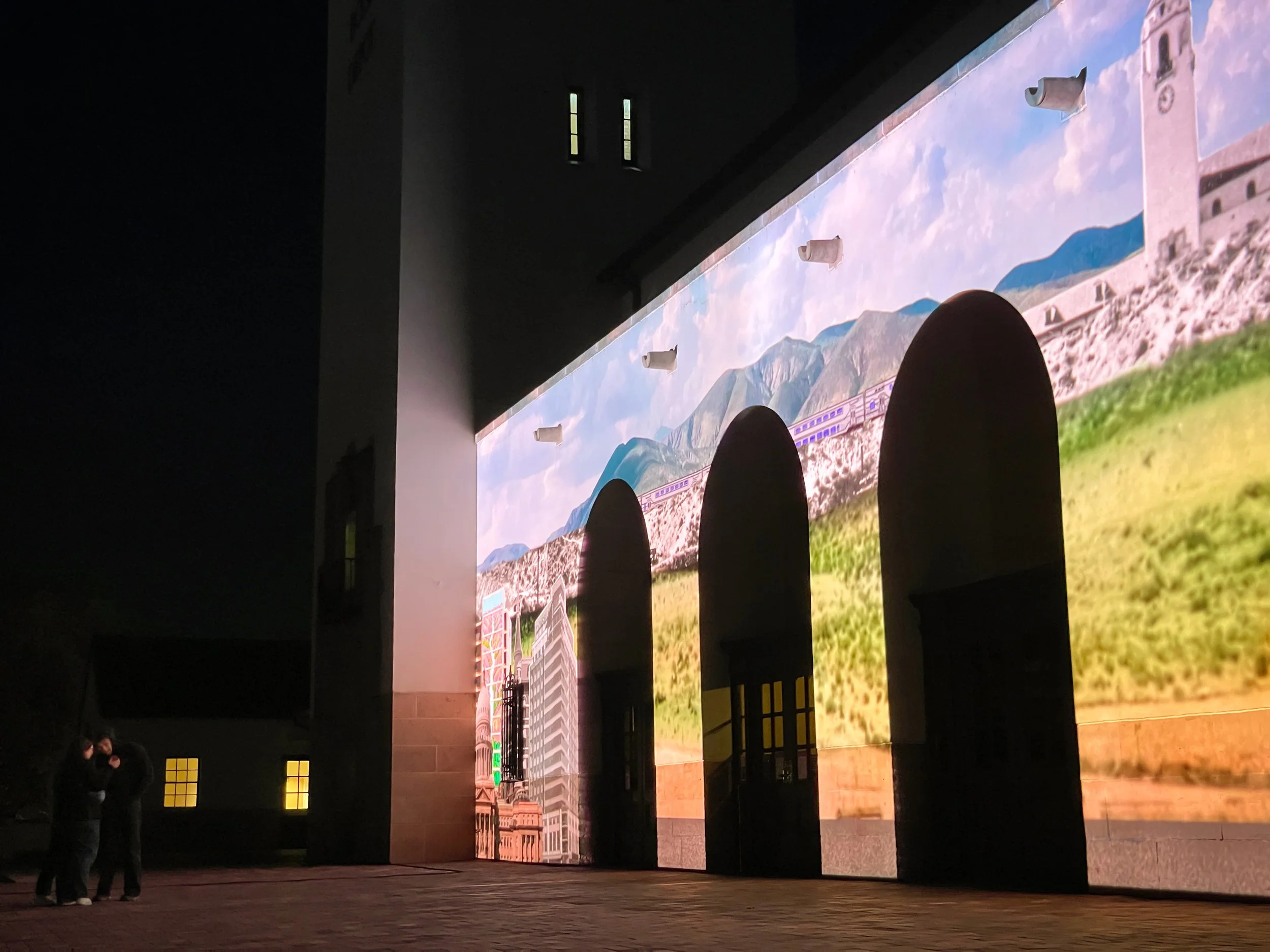
Then the facade lit up. A hush, then wonder, as 100 years of local history moved across the architecture in light.
“A million thanks for your incredible services over the course of this project and especially these last few nights.
You’ve been great to work with and I know the artists really appreciated your guidance and expertise!”
Lianna H.
Public Art Project Coordinator
Boise City Department of Arts & History
Special thanks to Daniel Olson & Mary Kienzle for the additional photos.
the art
Stop motion collage meets the future of transportation.
The City of Boise sought local visual artists for the projections and opened a public call for applications.
NOVA helped review the submissions, and a clear duo emerged: Will Miller and Annika Kalac.
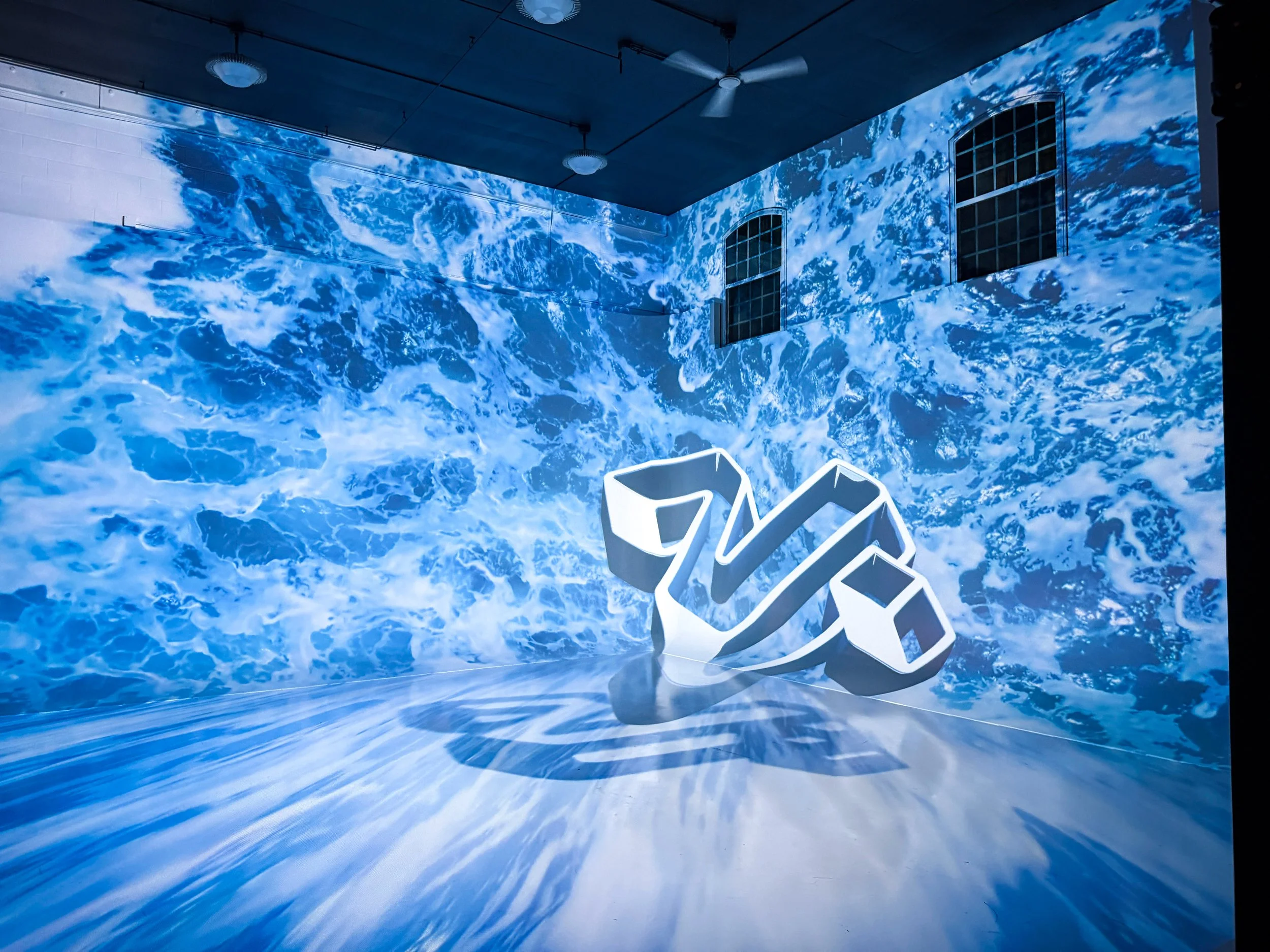
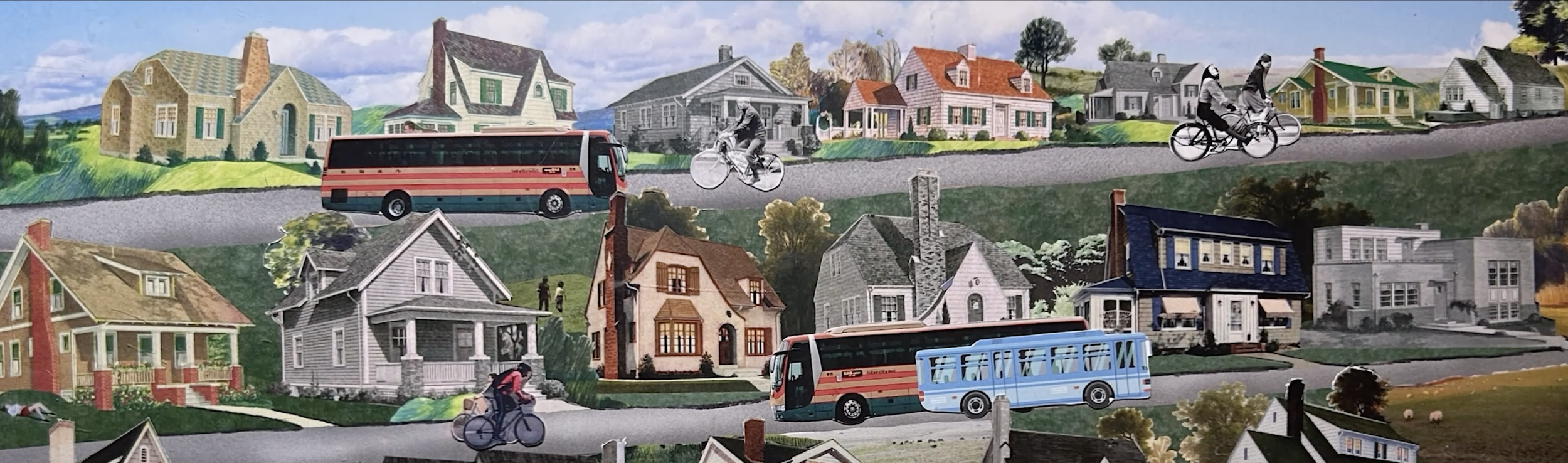
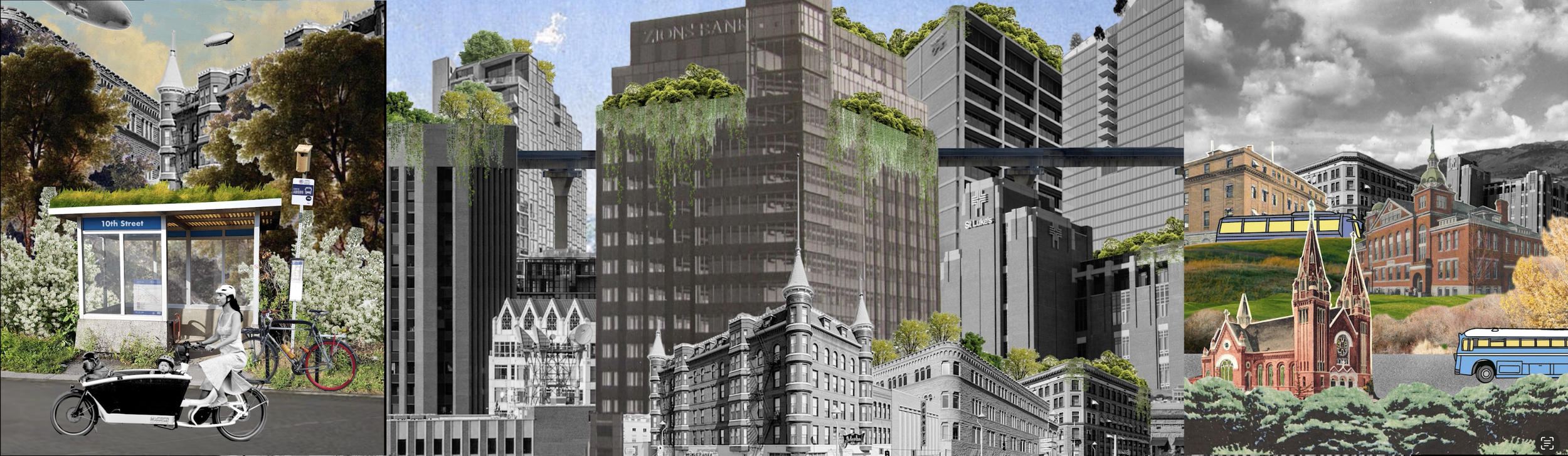
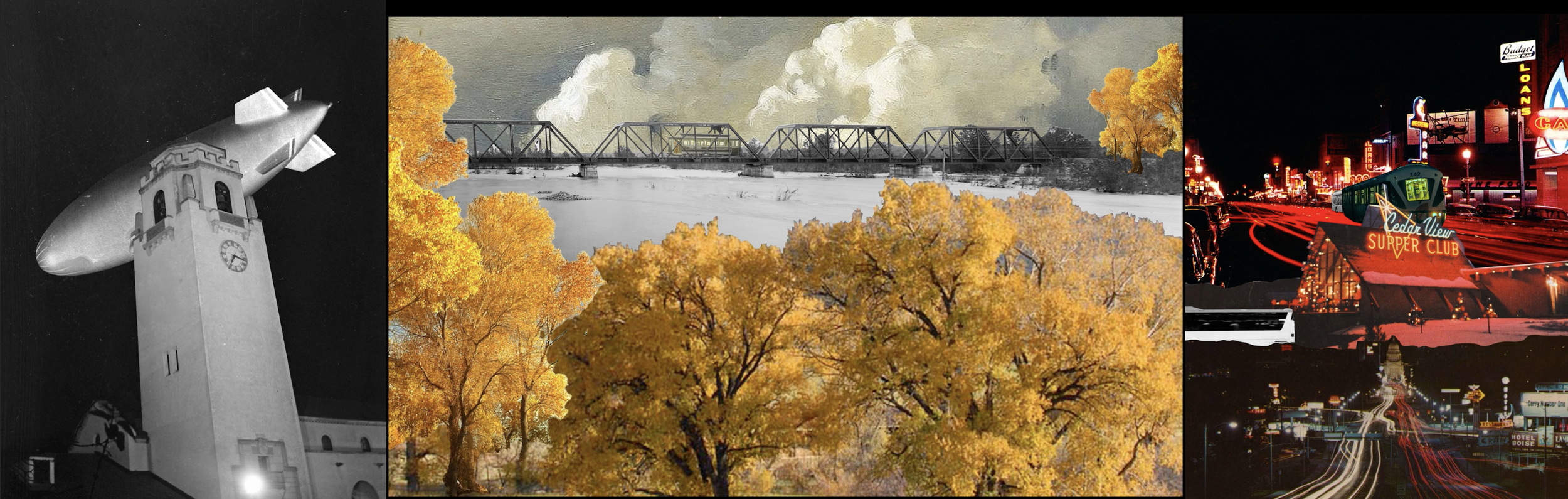
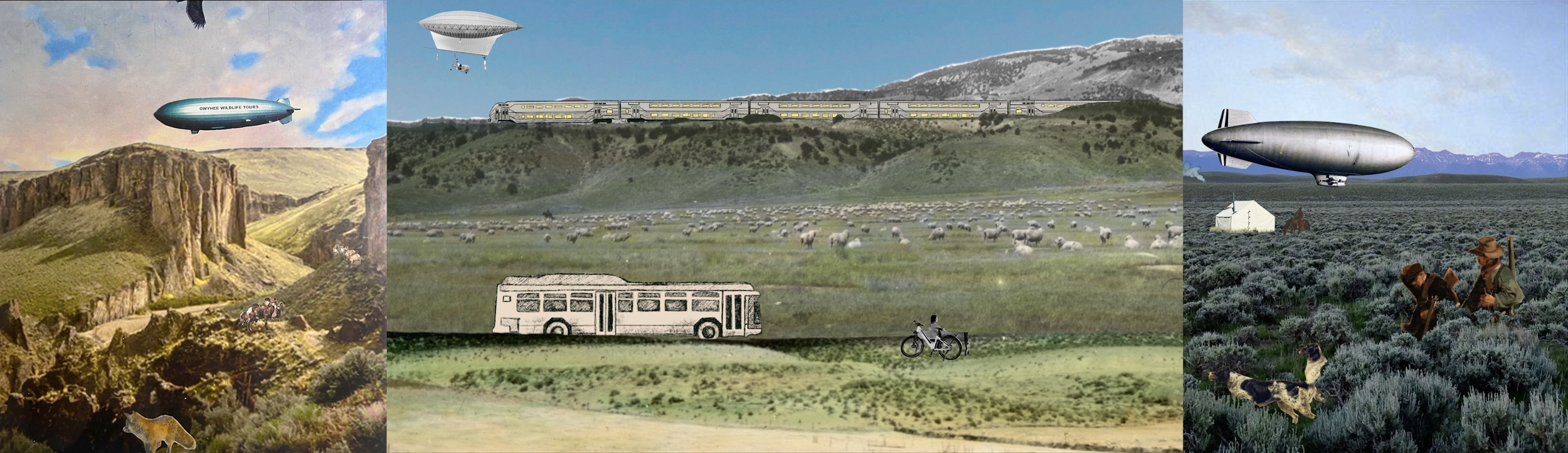
Their work, titled "Voyaging: In Defense of Slow Travel," comprised 4 unique visuals animated by hand from local historical media, each fit precisely to the architecture of the Boise Depot.
system
High brightness 3DLP laser projection, blended and mapped to the facade, visible for miles.
NOVA specified high brightness 3DLP laser video projection to carry the visuals across the depot's large exterior surfaces.
Multiple laser projectors were blended and edge matched, then mapped to the building's geometry, holding brightness and full color across the entire facade.