Immersive Rooms
Step into another world.
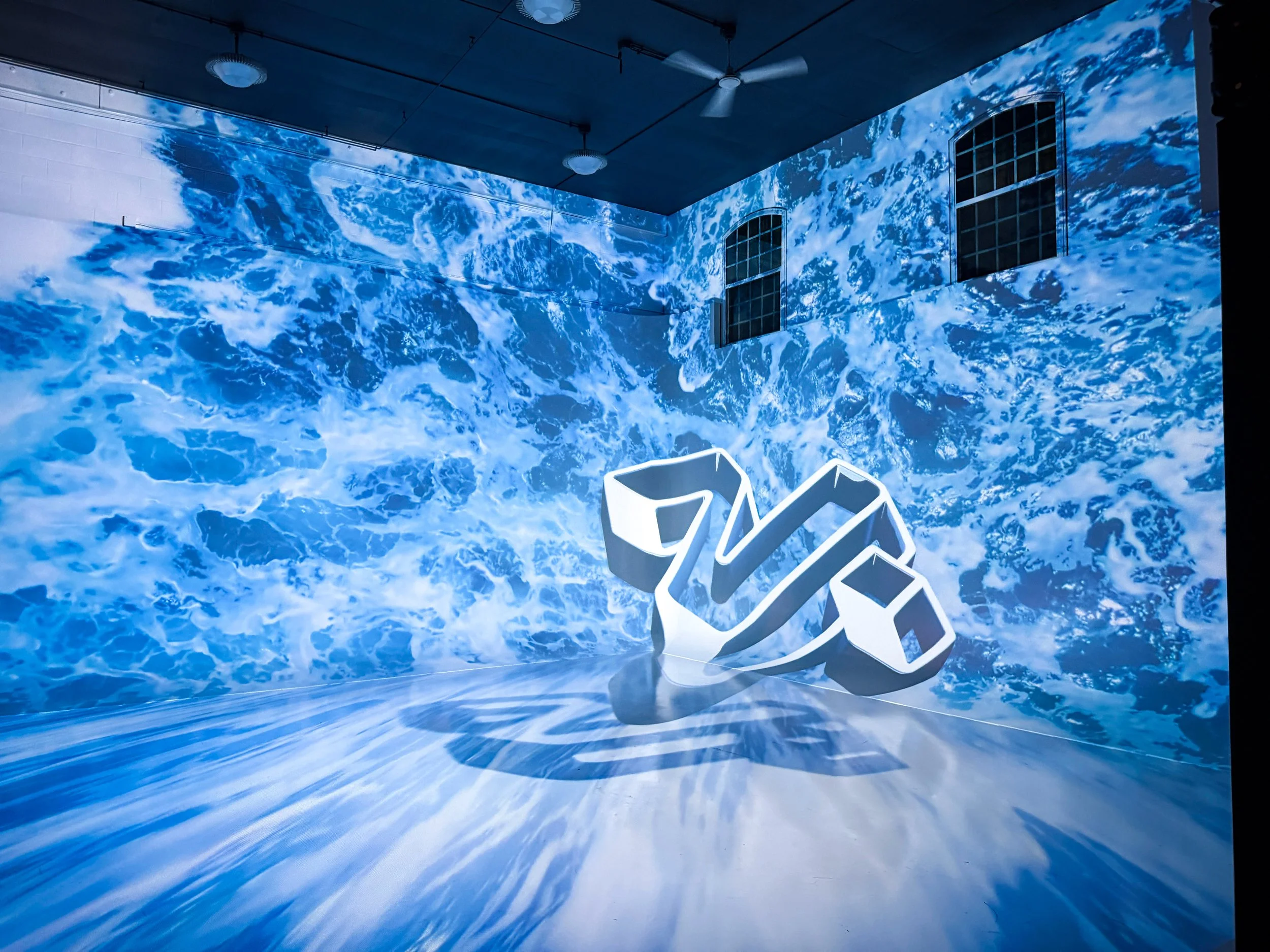
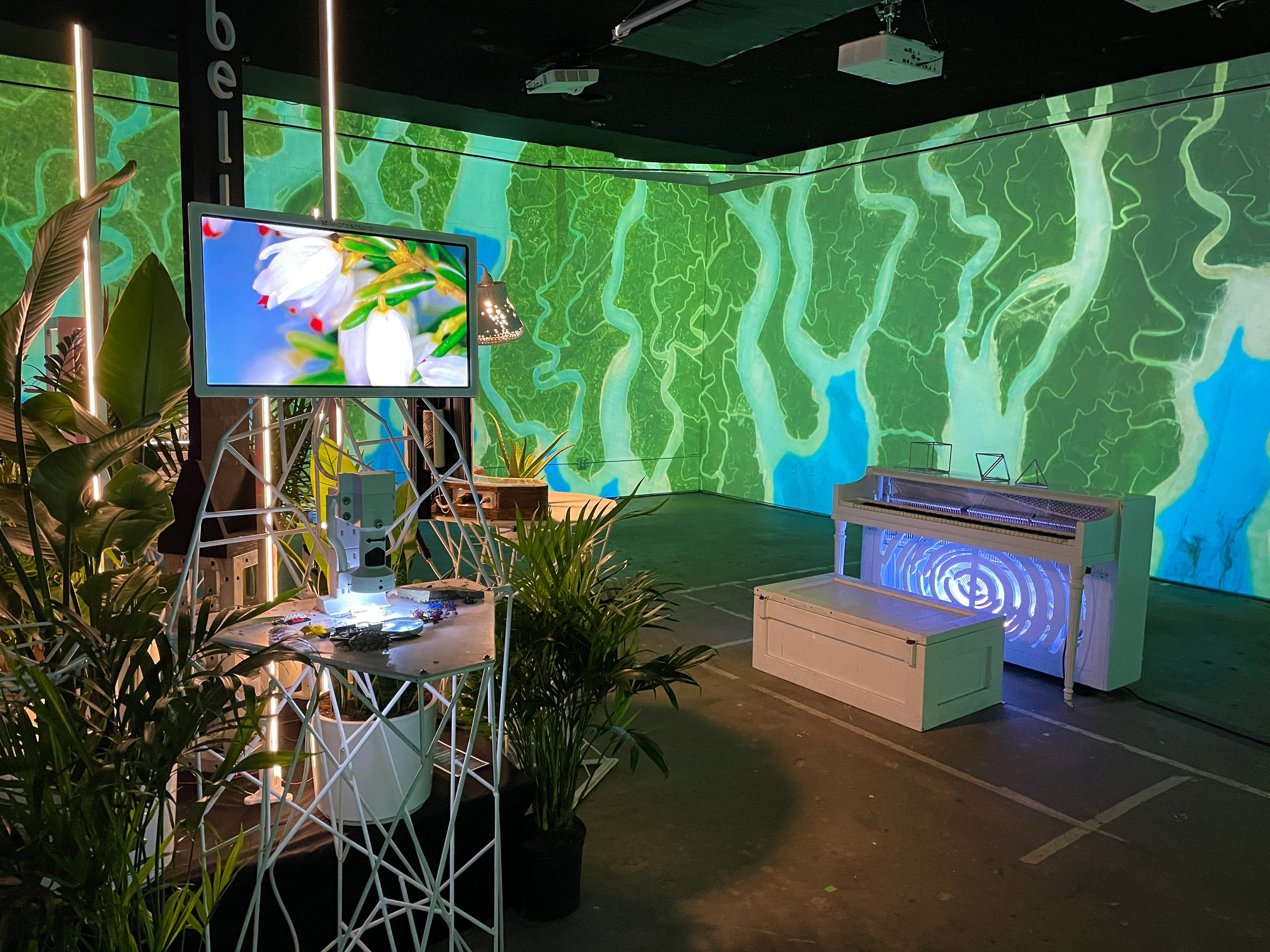
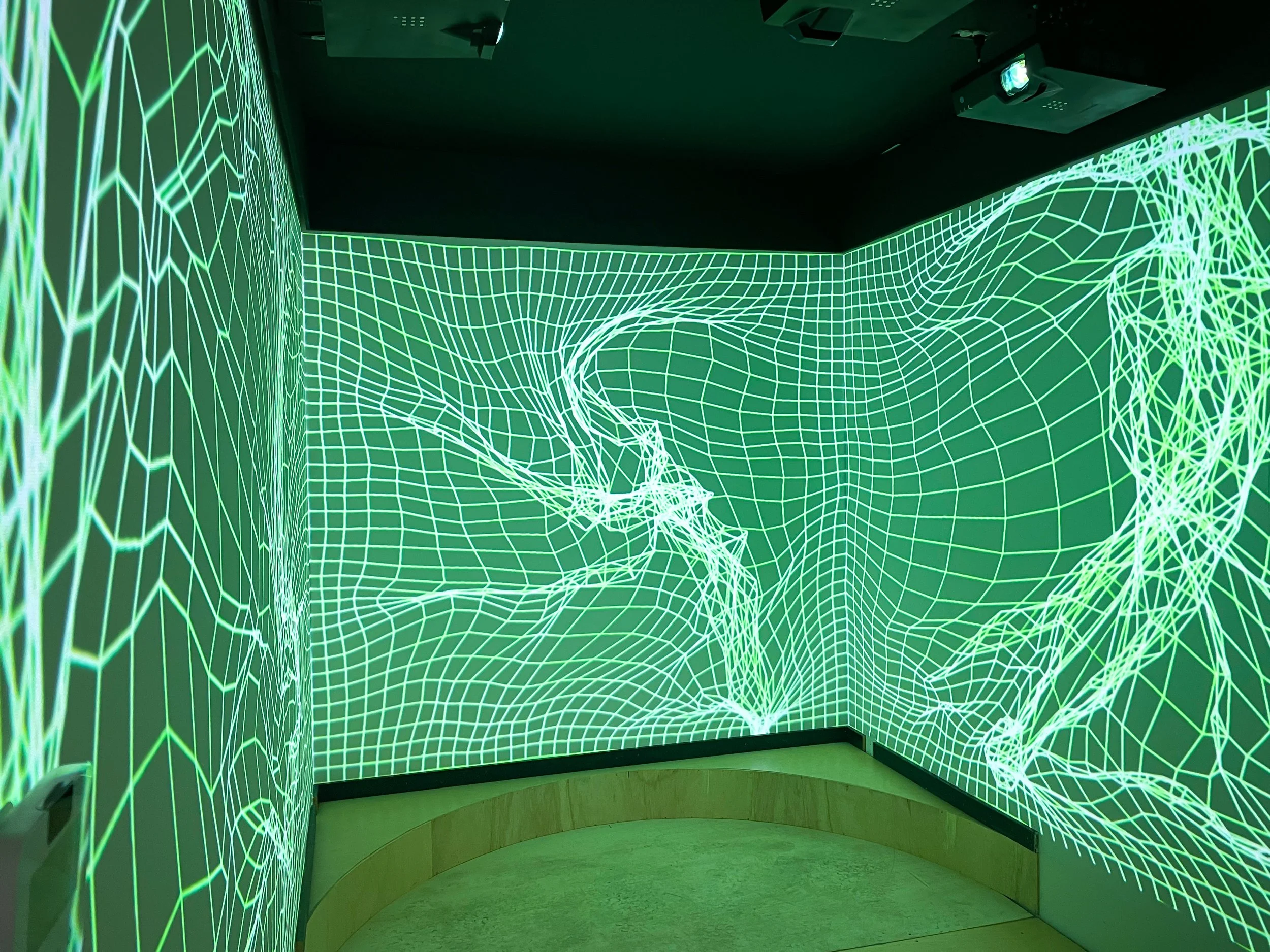
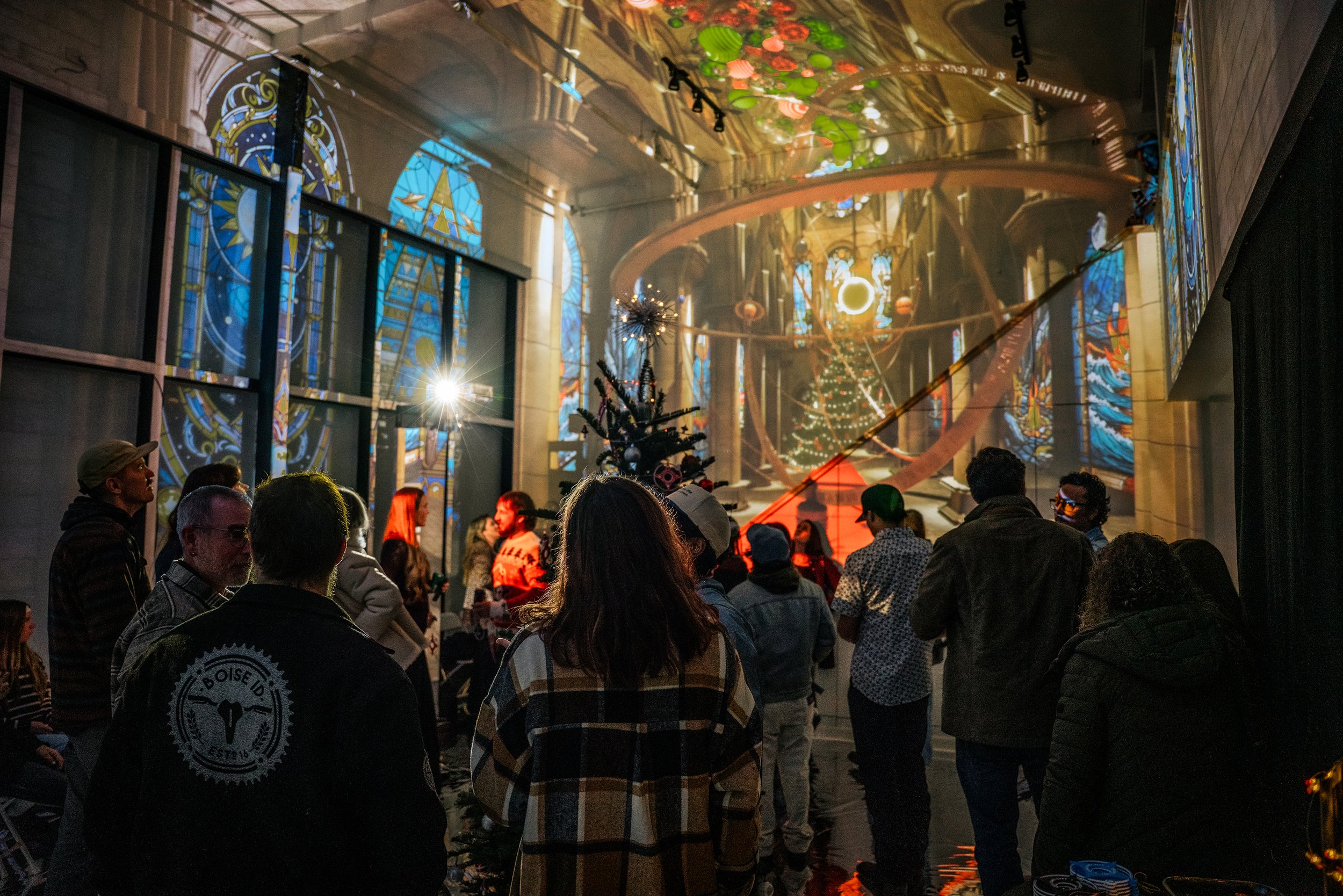
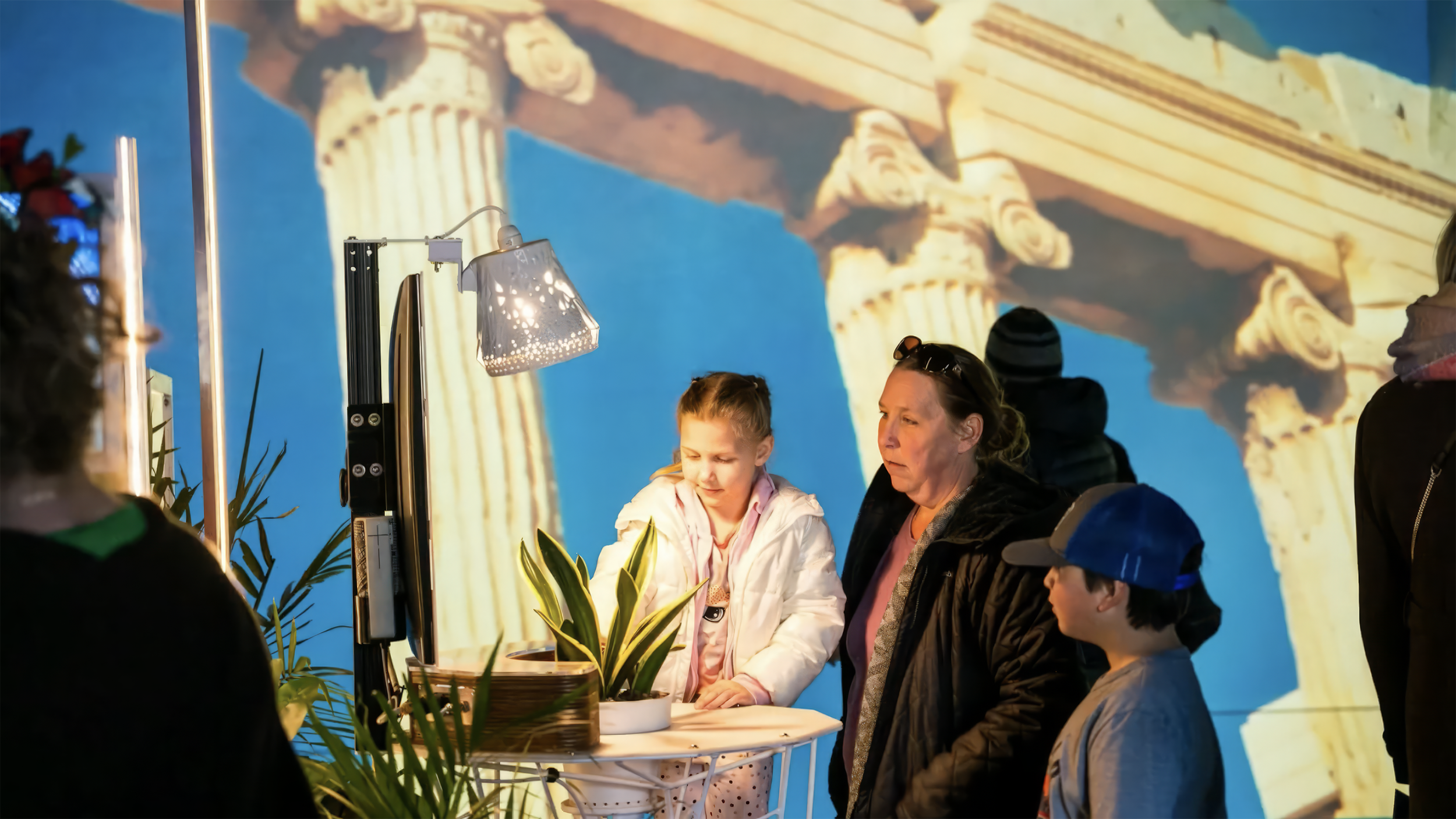
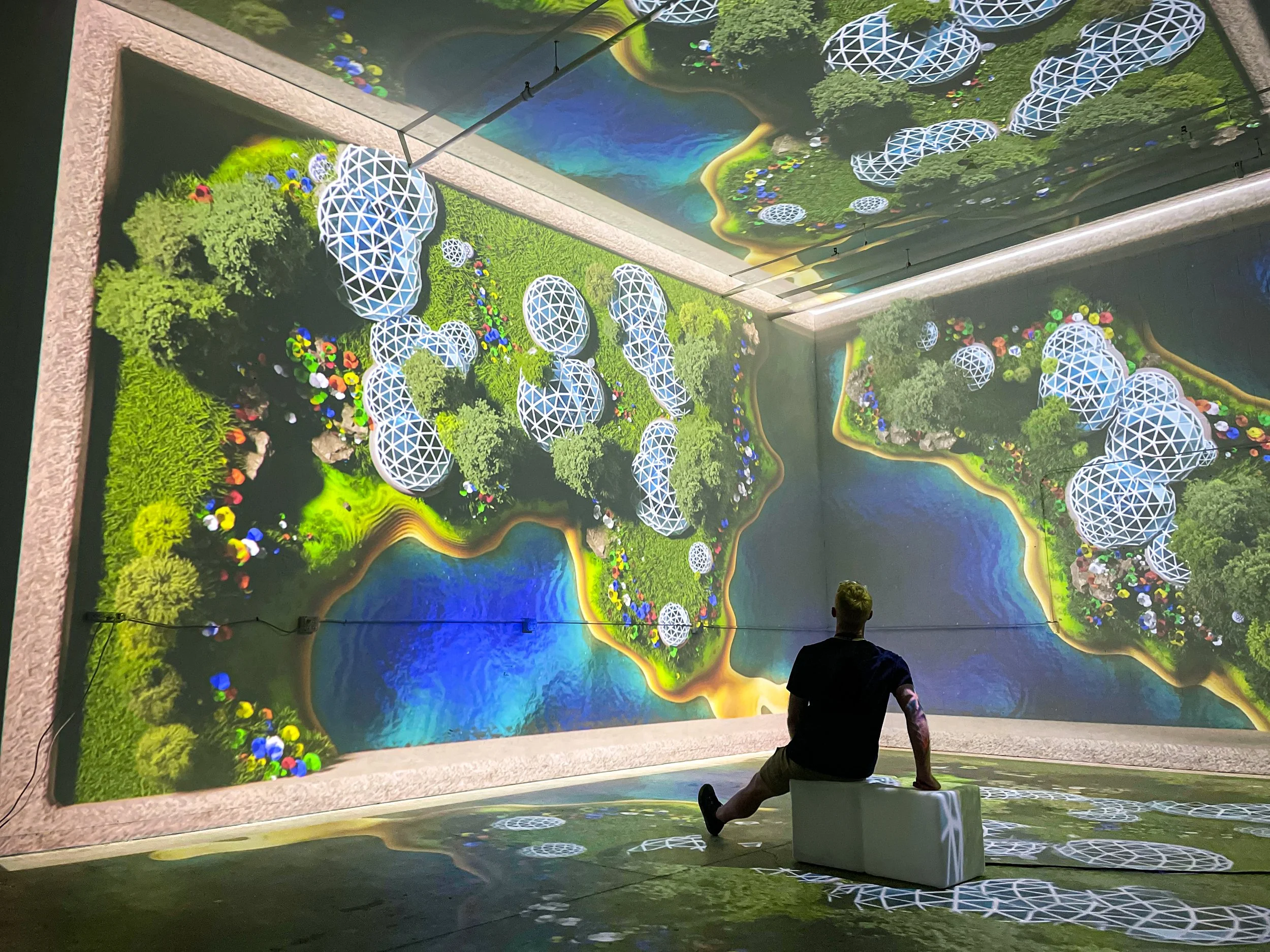
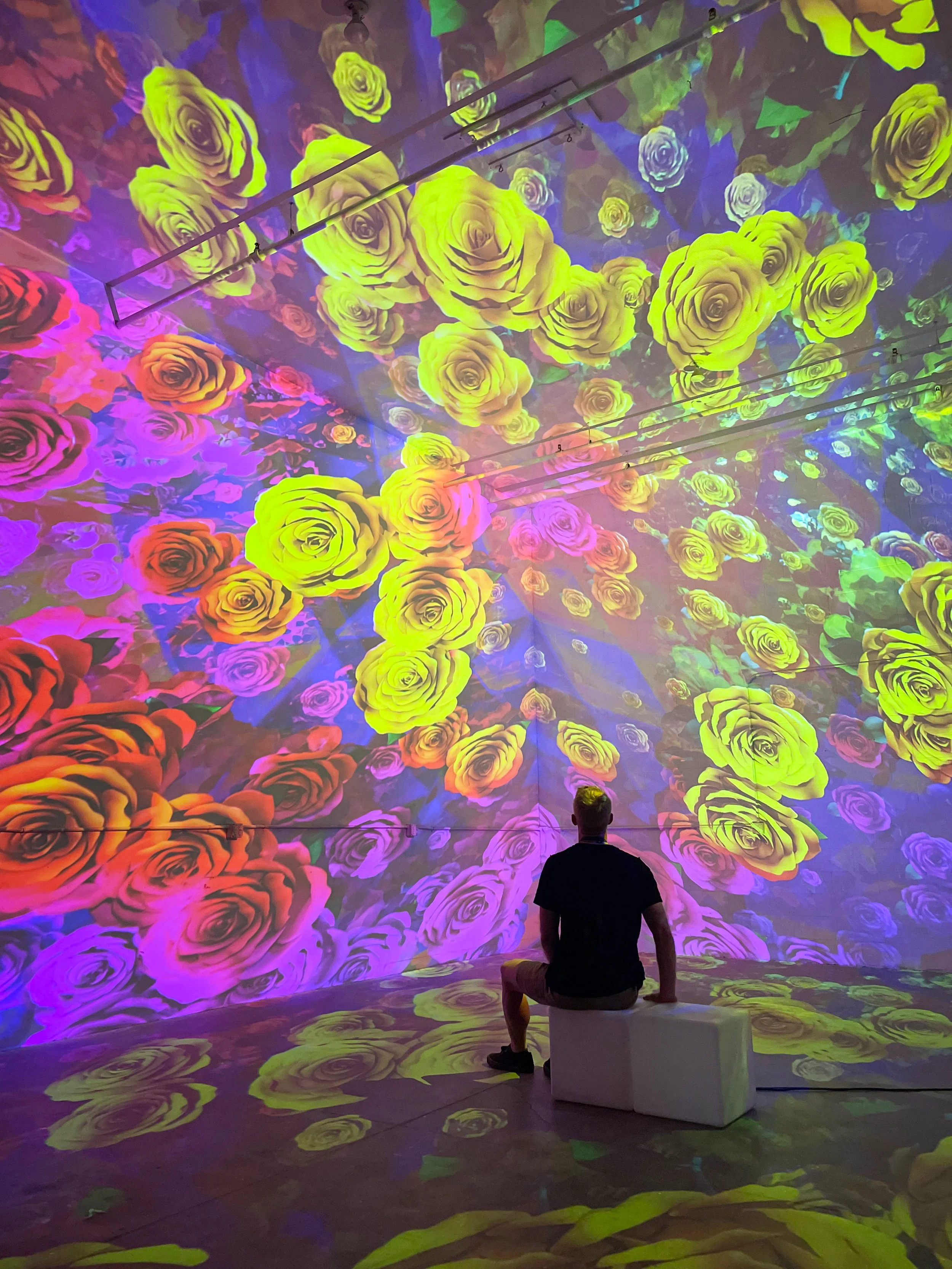
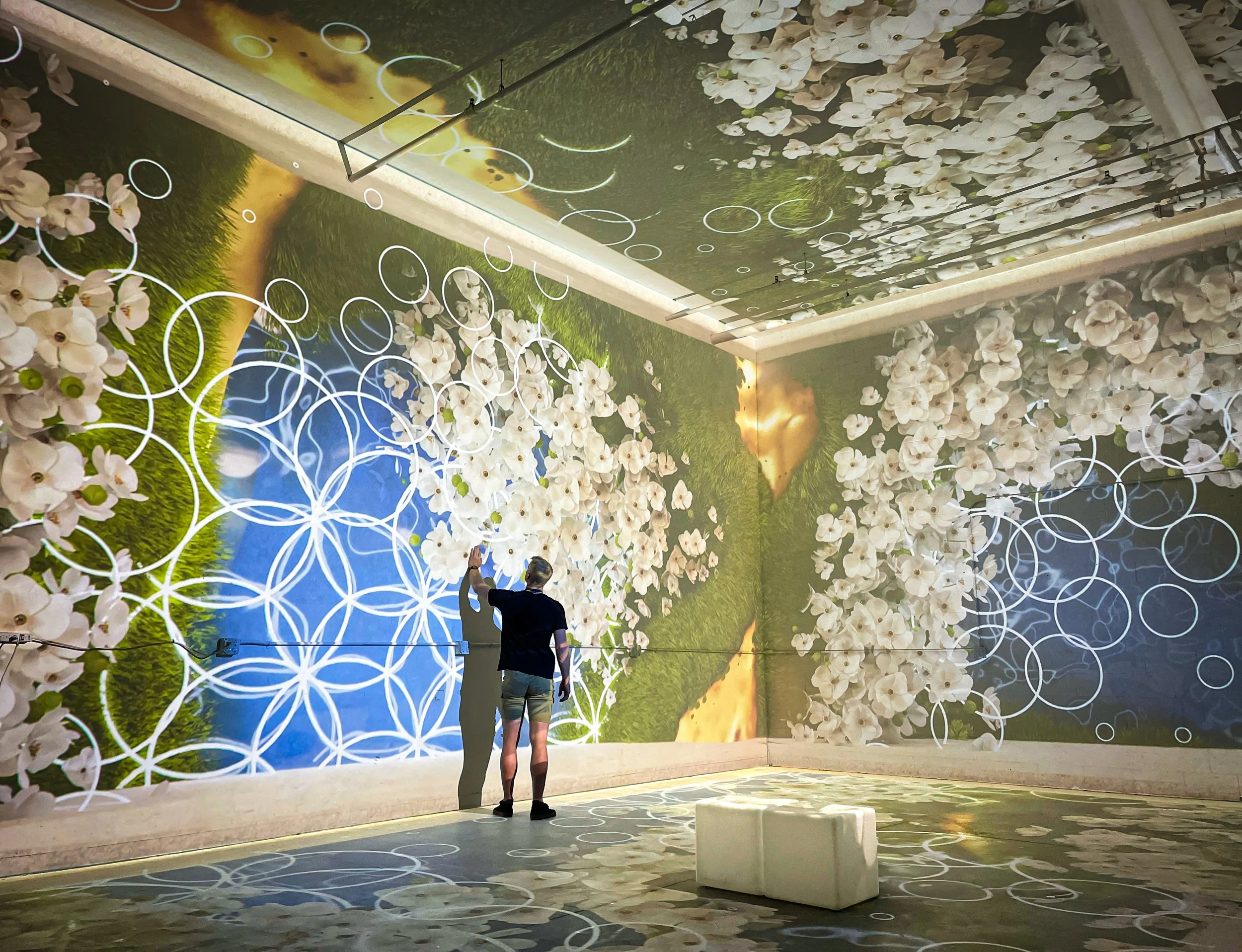
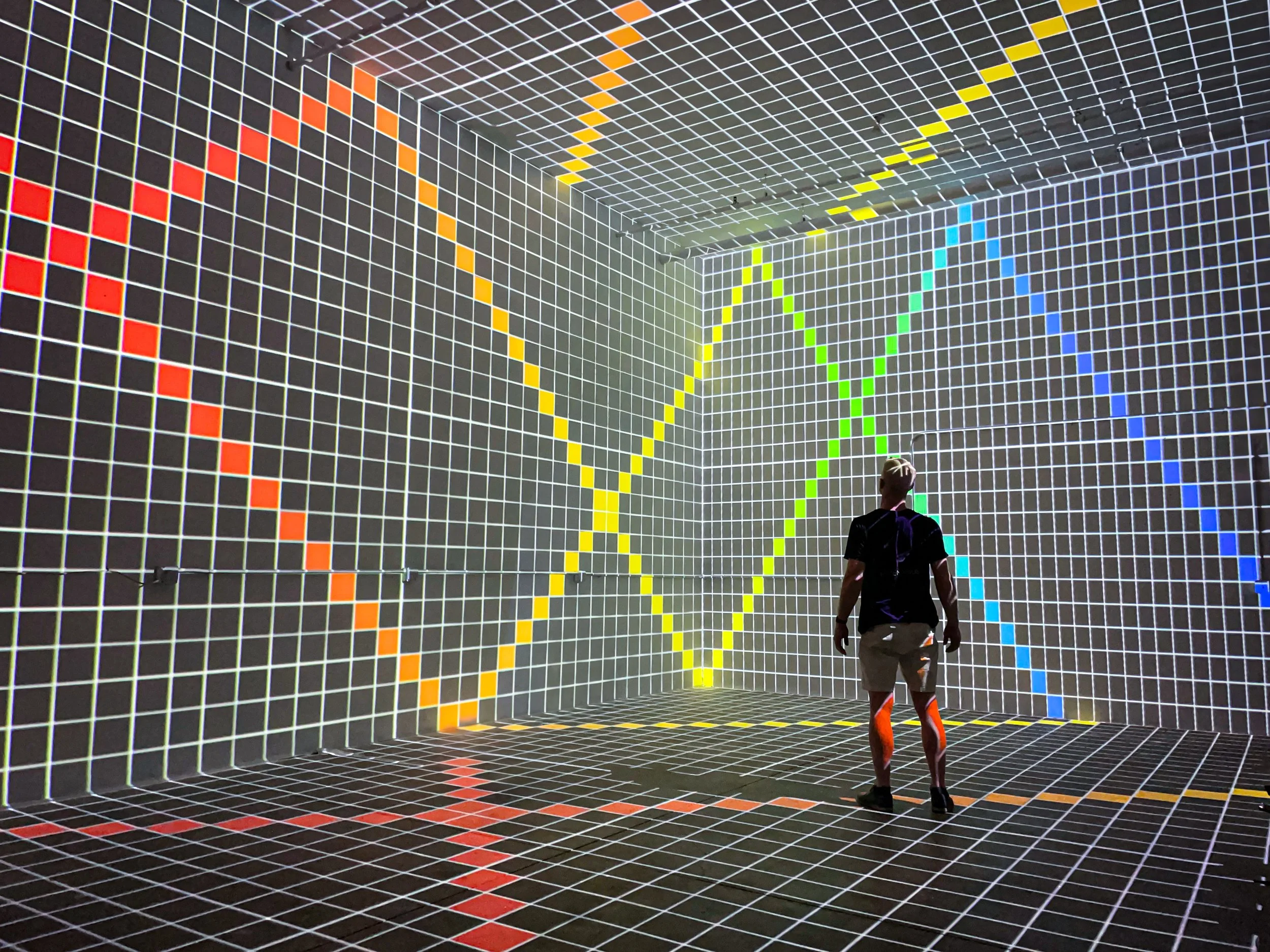
The walls dissolve into light, the ceiling opens overhead, and the room becomes somewhere else entirely. It is VR without the headset, felt live, shared by everyone in the space at once.
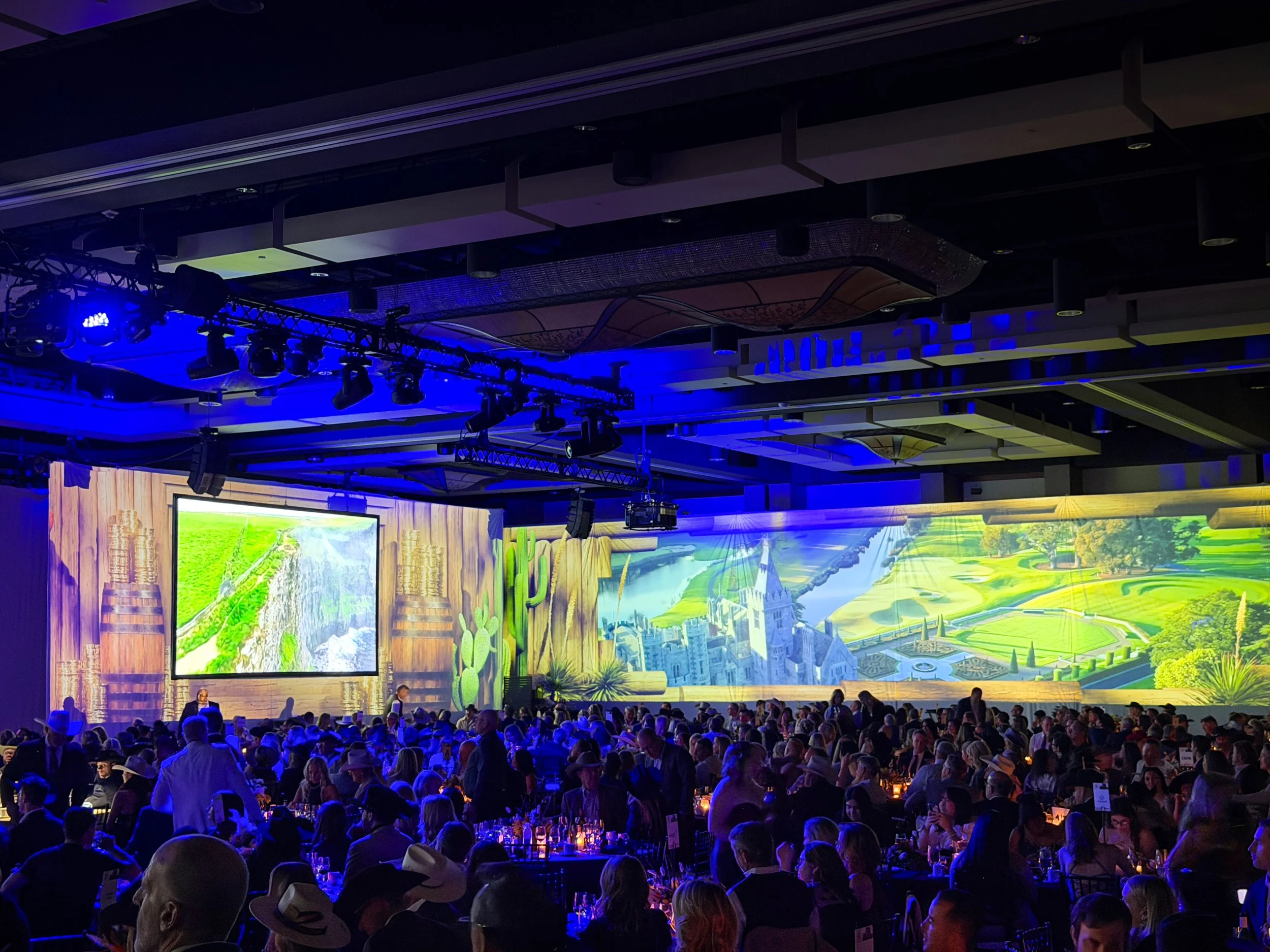
Any studio can point a projector at a wall. Wrapping a whole room is the hard part. Content has to flow across every surface as one continuous world, so the space reads as a portal rather than a set of screens. That is the work NOVA does.
overivew
One room, every surface, a single unbroken world
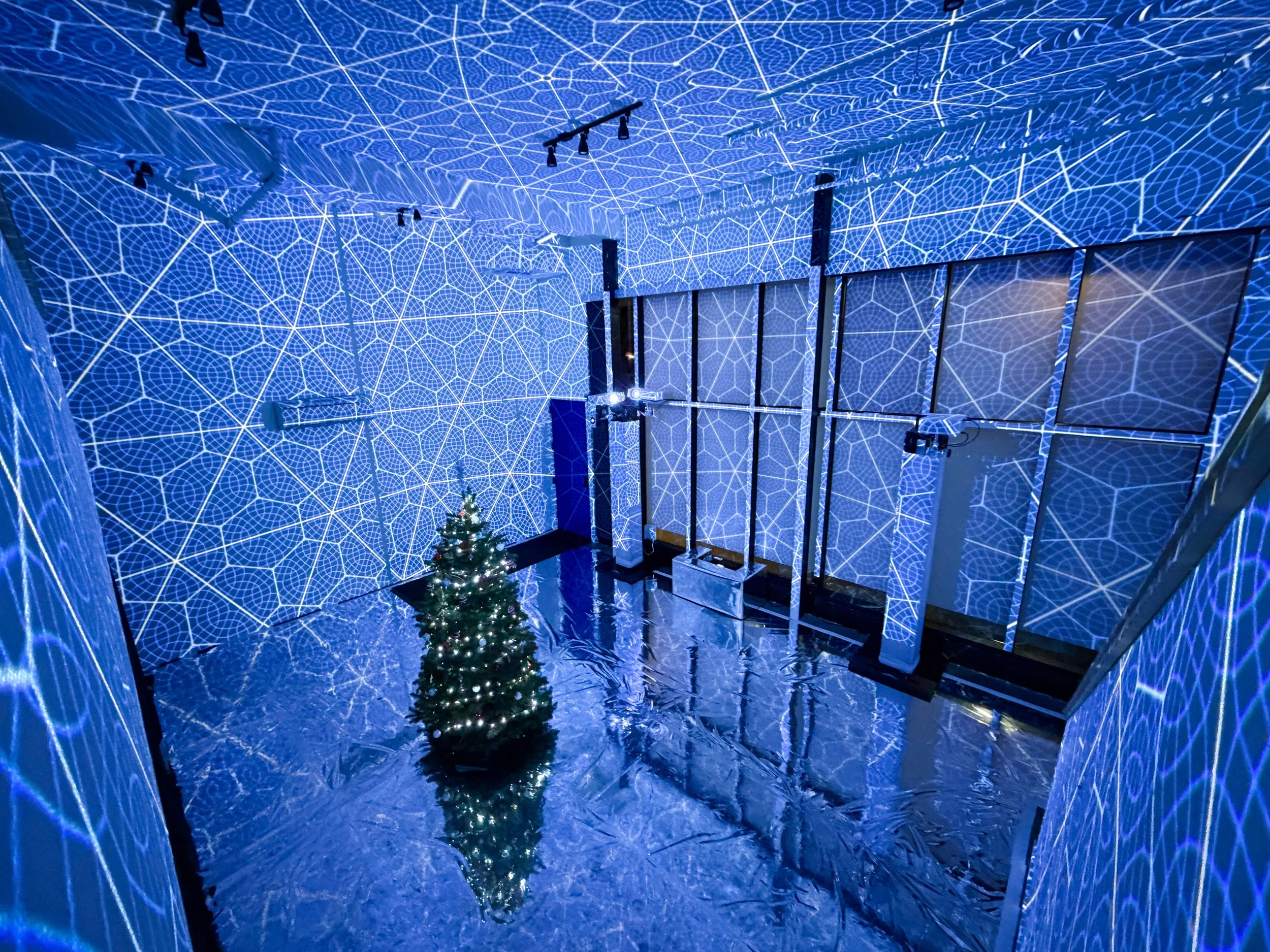
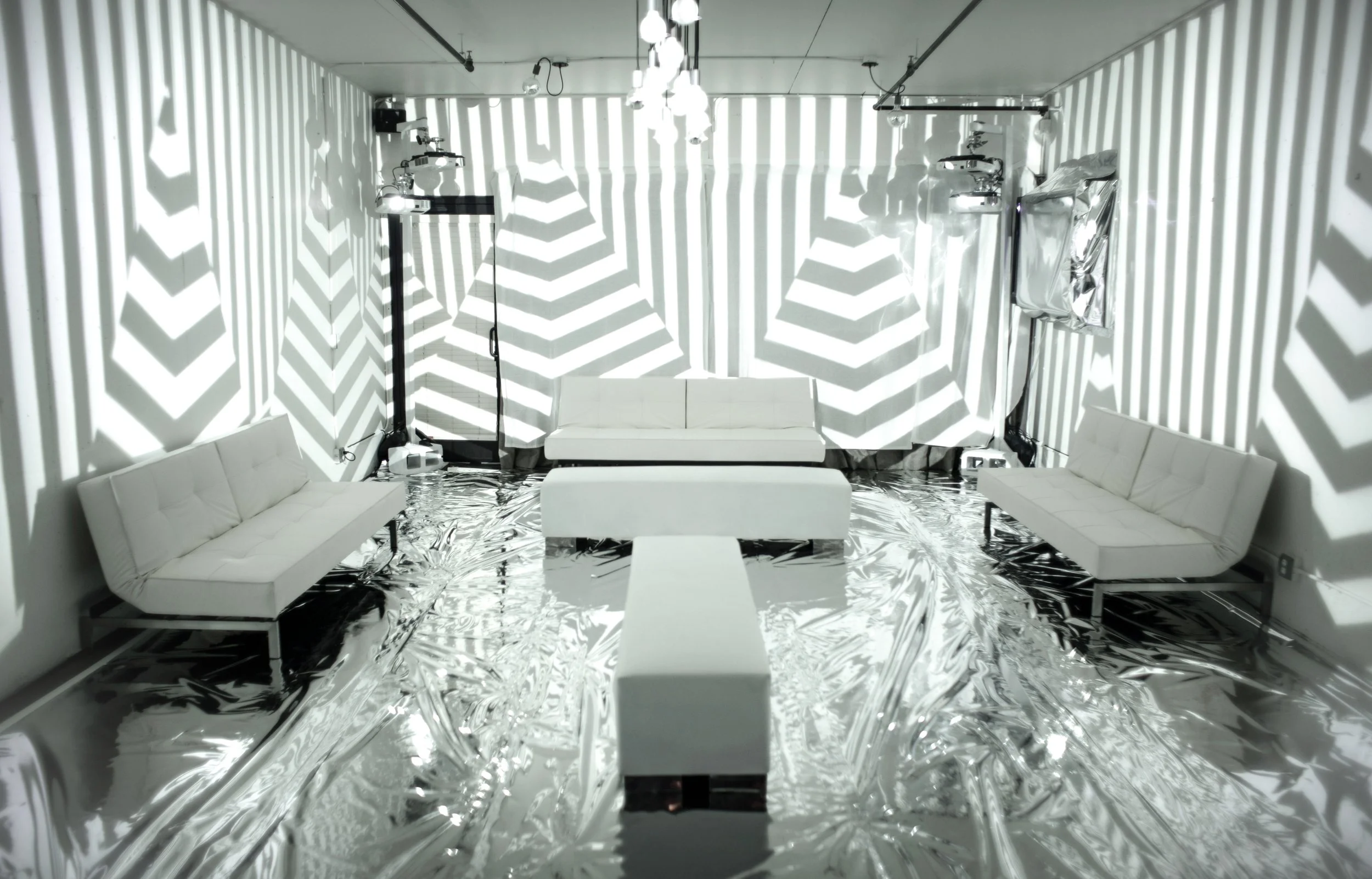
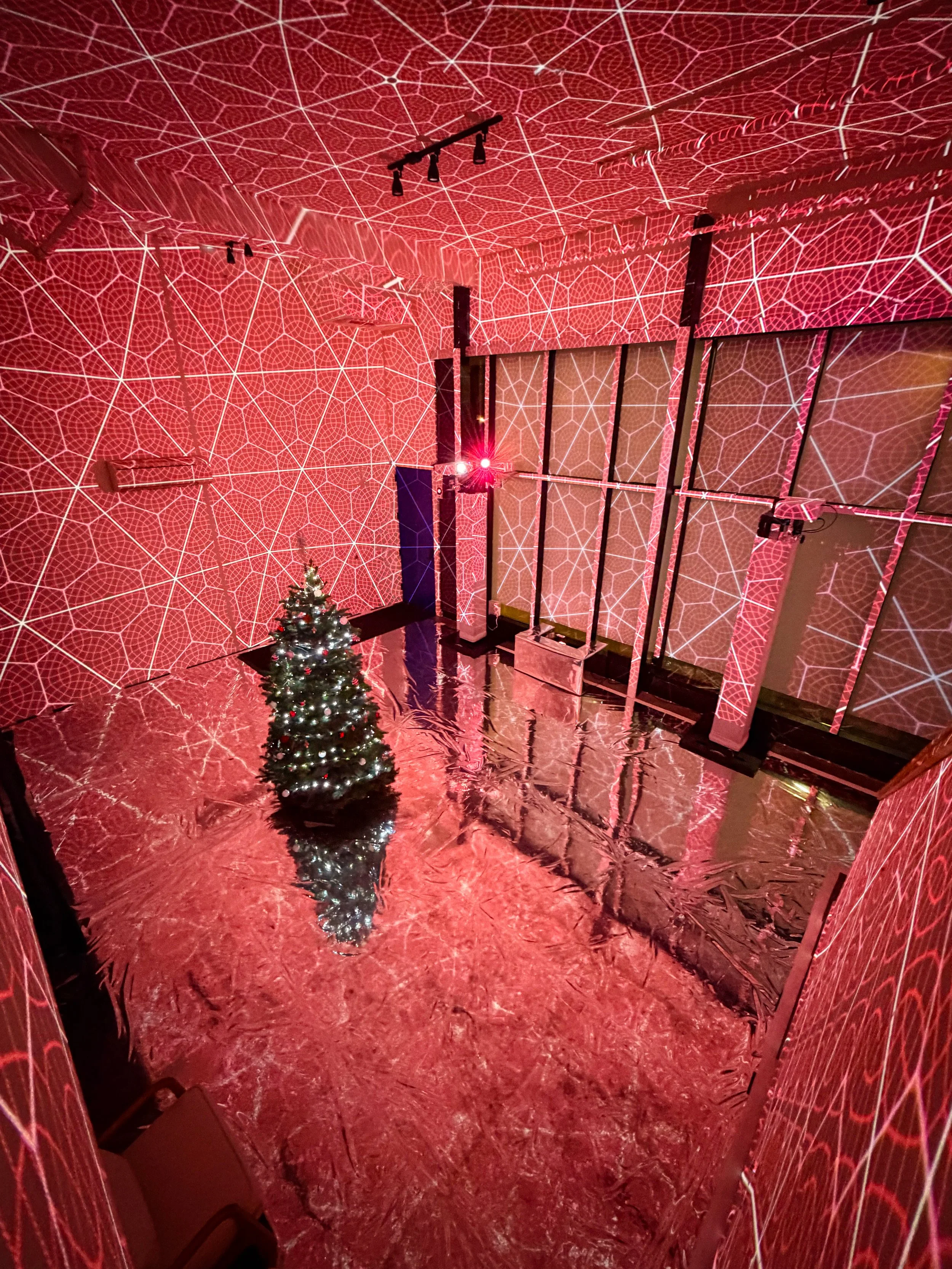
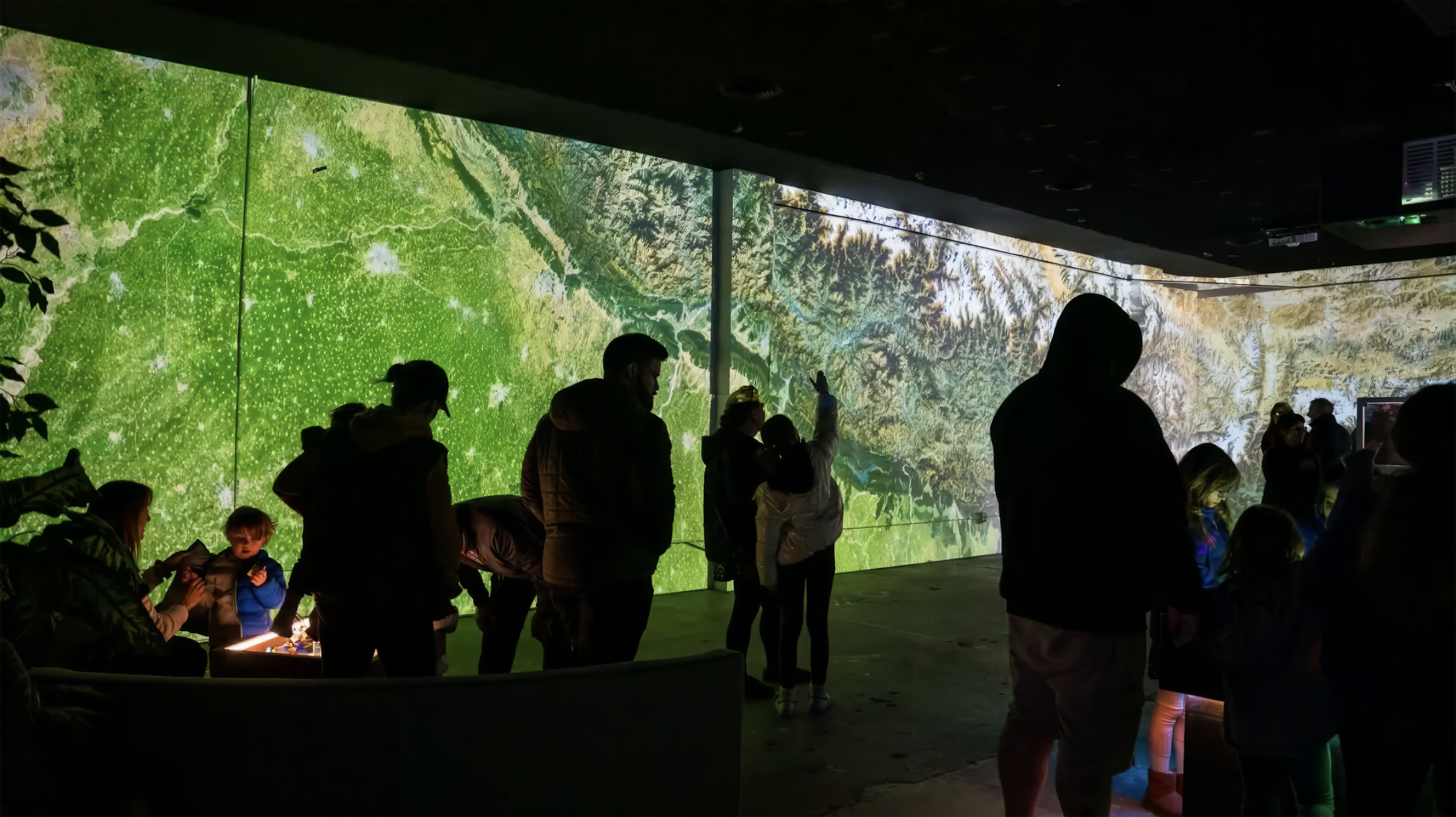
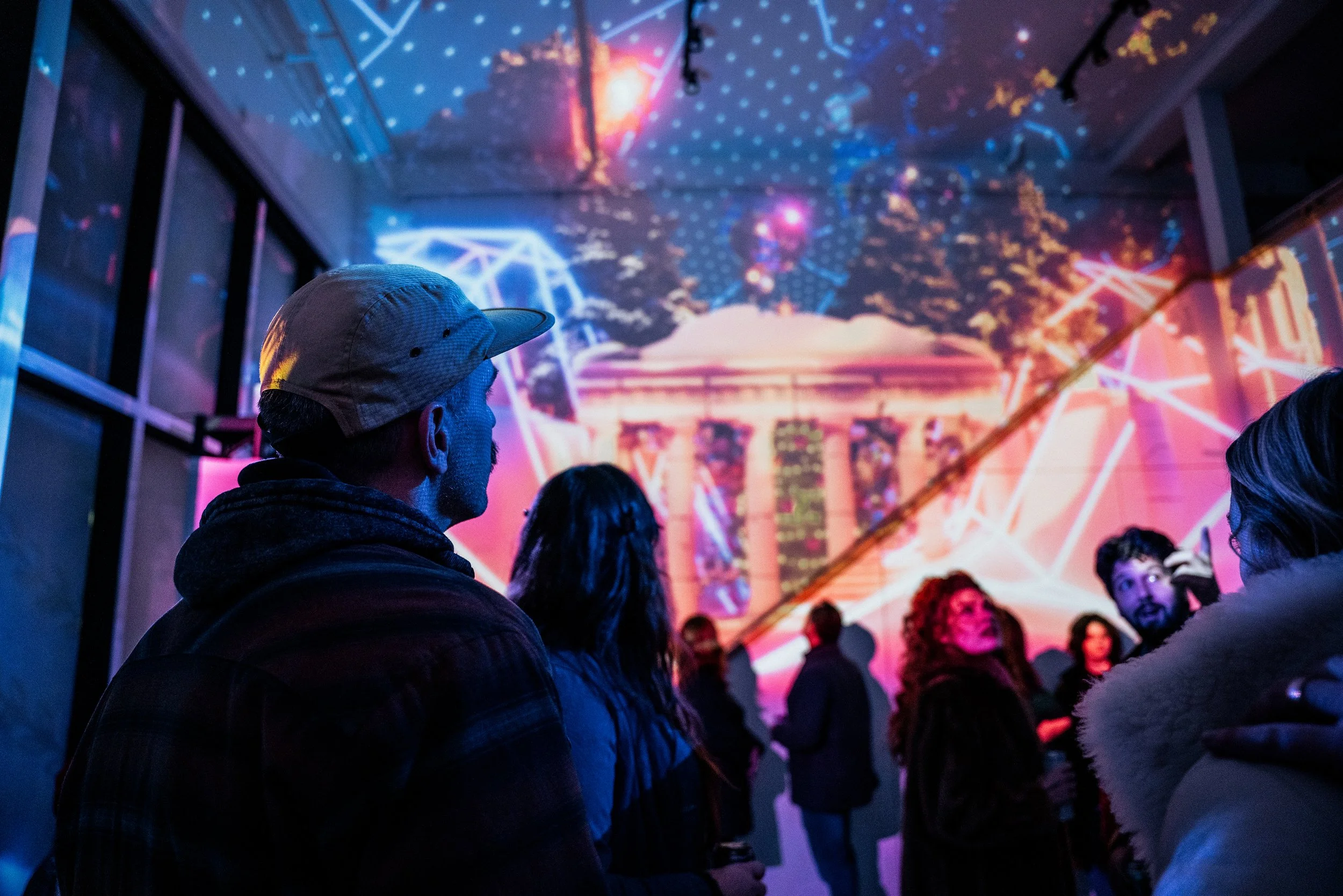
The canvas is the architecture itself. Four walls, the ceiling, sometimes the floor. The more surfaces in play, the deeper it goes, until the room stops feeling like a room.
Guests move through it like a tunnel. Light travels wall to wall and carries them with it, and the whole space seems to breathe. It lands as wonder, collective and live, the kind of thing a crowd feels together and talks about after.
creative
Custom visuals built from nothing, at a resolution that erases the room
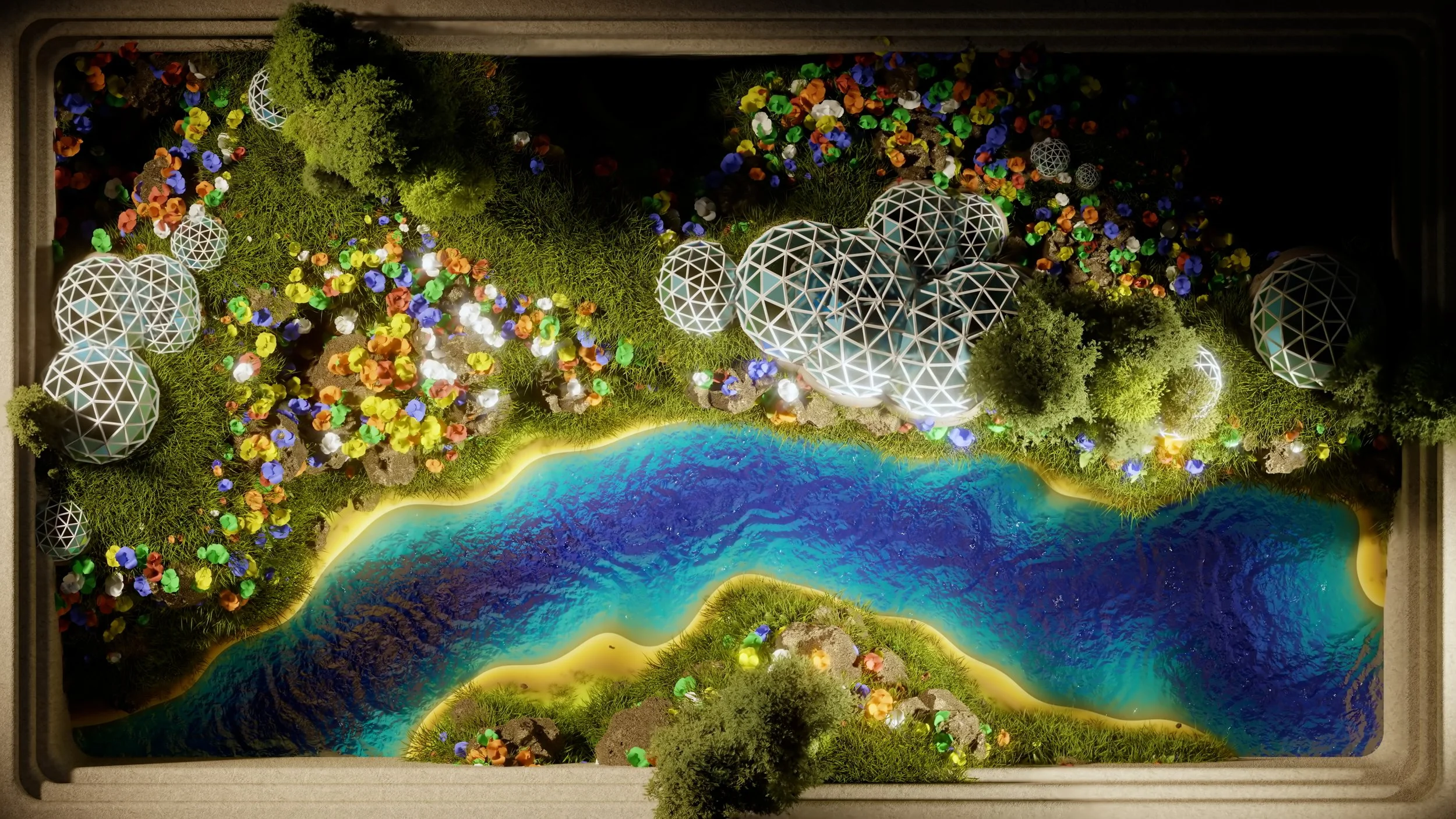
Anyone can throw a slide on a wall. Nobody remembers it. What holds a room is custom work, built from scratch: 3D worlds and 360 footage blended into surreal landscapes of light, color, and form.
The detail is what sells it. Rendered at full resolution, the projection stops reading as projection. Guests forget the surfaces are there.
Sound is what seals it. Silent, the room is a screensaver. Scored, it becomes a place, the audio moving with the image until the two are one thing.


production
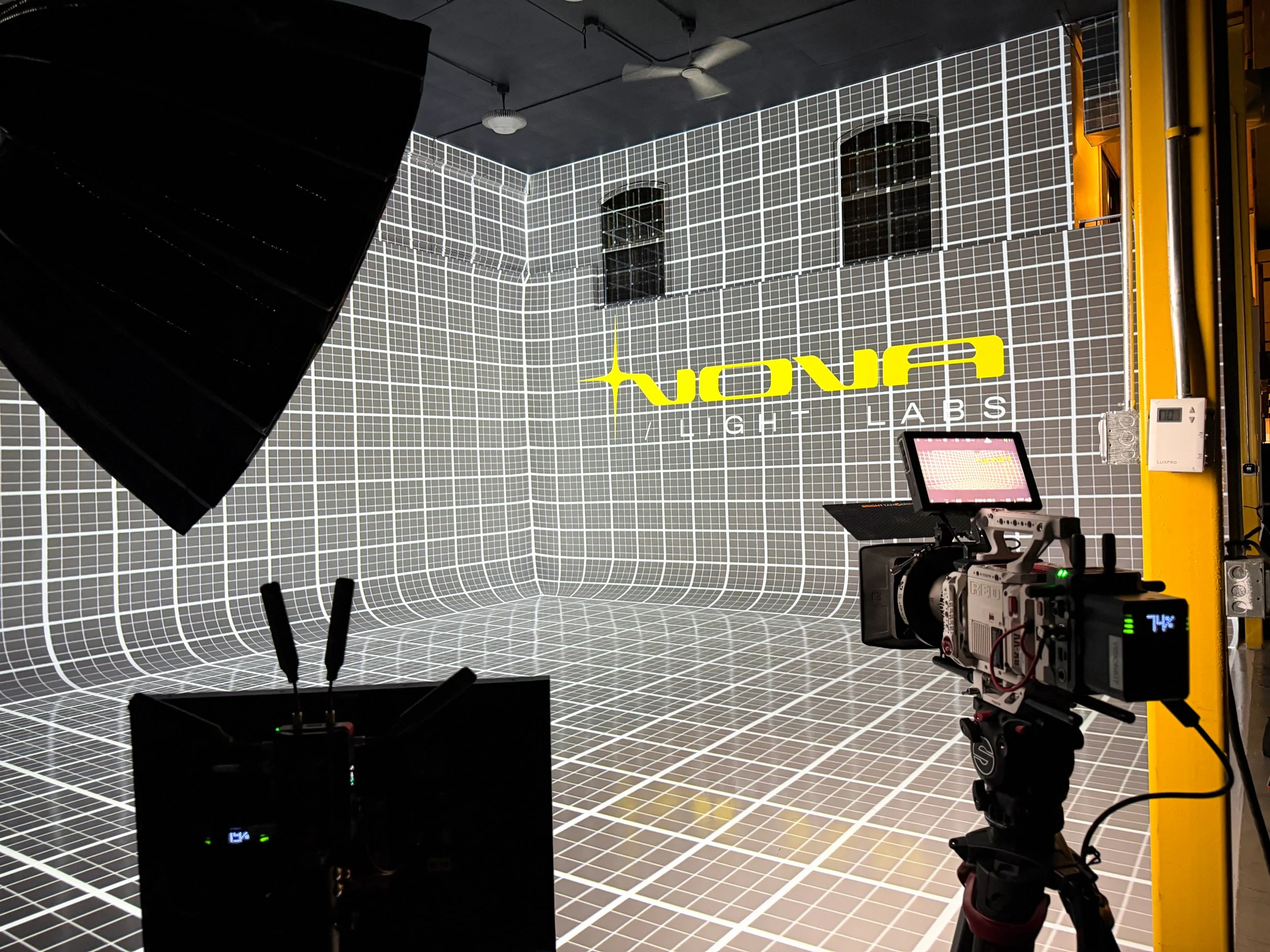
Multiple projectors, precise mapping, engineered to run flawless up close.
An immersive room runs on multiple projectors and specialized mapping software, tuned to hold smooth and hyperreal while guests stand inches from the surface. Precision is the whole game. At that range there is nowhere for an error to hide.
Placement is designed before anything is ordered. Every projector is simulated in a 3D model in advance: throw, brightness, pixel pitch, and coverage all proven on screen first. That is what separates NOVA from the rest. NOVA specifies exactly where each unit lives, above the ceiling line, concealed in a staircase, firing through an opening, whatever the space demands.
Light control is non-negotiable. The room seals: blinds down, coverings over any window sunlight can reach. Multichannel sound fills the space and surrounds it. A reflective floor is a bonus, bouncing the projection back for a second canvas underfoot.
trusted by



“We are so happy with how the party turned out!
Thank you for your work on this awesome night!”Kelsey O.
Production Coordinator
DNA & Stone
Fremont Foundry
FAQ
-
10 feet is the floor. 12 feet is where it starts to get good, and taller is better every time.
At 8 feet it is not worth doing. Height is what gives the room somewhere to open into.
-
Lighter surfaces that bounce light back. Off white, brick, wood, and painted walls all work well.
Mirrors, clear glass, and black surfaces do not hold a projection.
Though, a reflective floor is a nice extra, catching the light for a free second image below.
-
Art galleries are close to ideal. Breweries, event venues, and open industrial rooms all work.
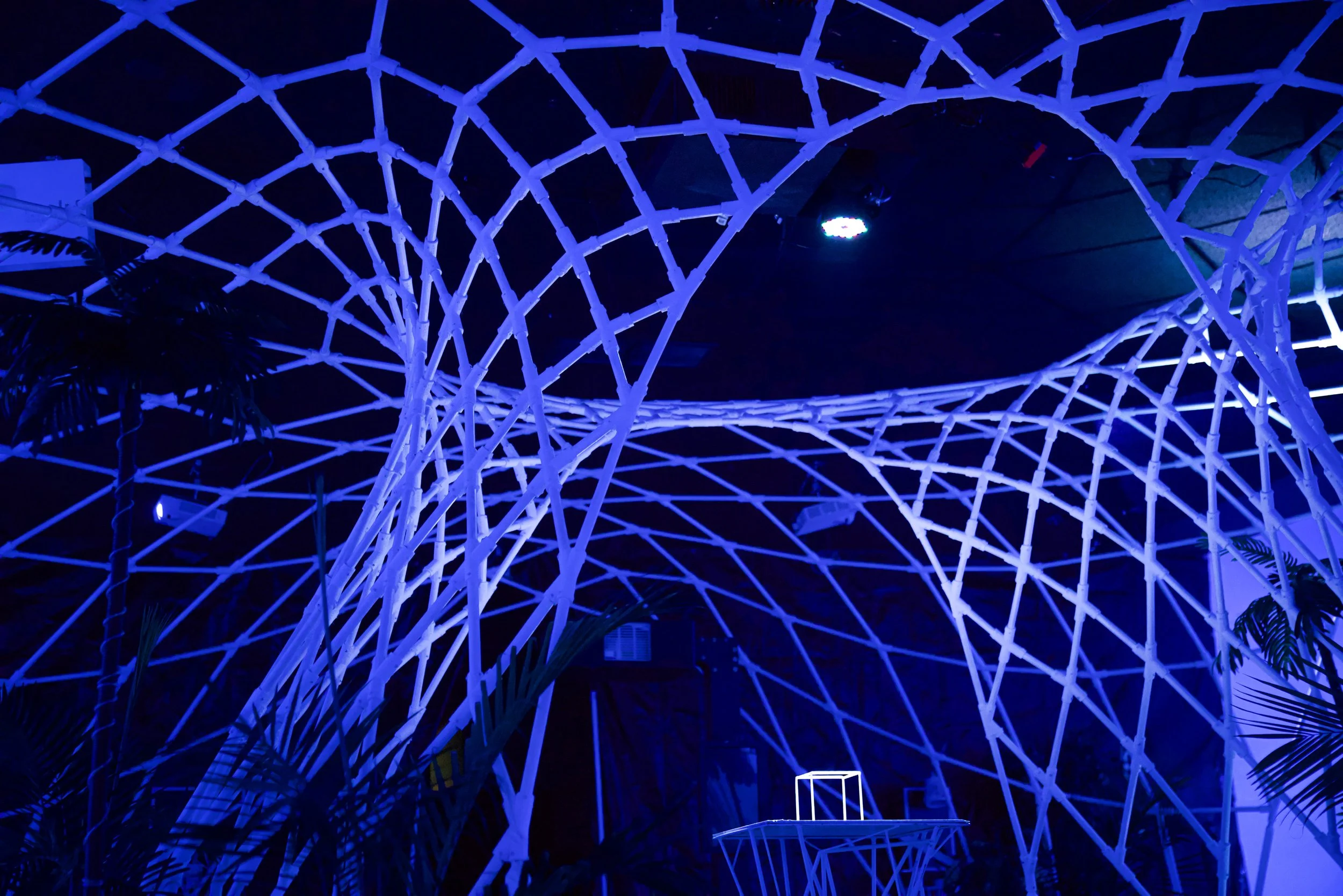
A blank space can also be built out with pipe and drape to make the surfaces from scratch.
-
Any 360 footage or 3D world. The more immersive the source, the stronger the effect.
Fully built environments read best, since they surround the guest completely.
Content can be custom built for the space or licensed from the NOVA Visuals Library, a growing collection of ready to run visuals.
-
An immersive projection room is an investment set by whether it is a live event or a permanent installation.
A live event room typically lands between $10,000 and $100,000.
A permanent installation, designed and specified as a system the client owns, typically lands between $50,000 and $500,000.
Every room is a custom build, priced to the space: the number of surfaces, the square footage, the ambition of the content, the sound, and how long it runs.